Lindsay Clancy’s Court Hearing: Key Developments and What Lies Ahead
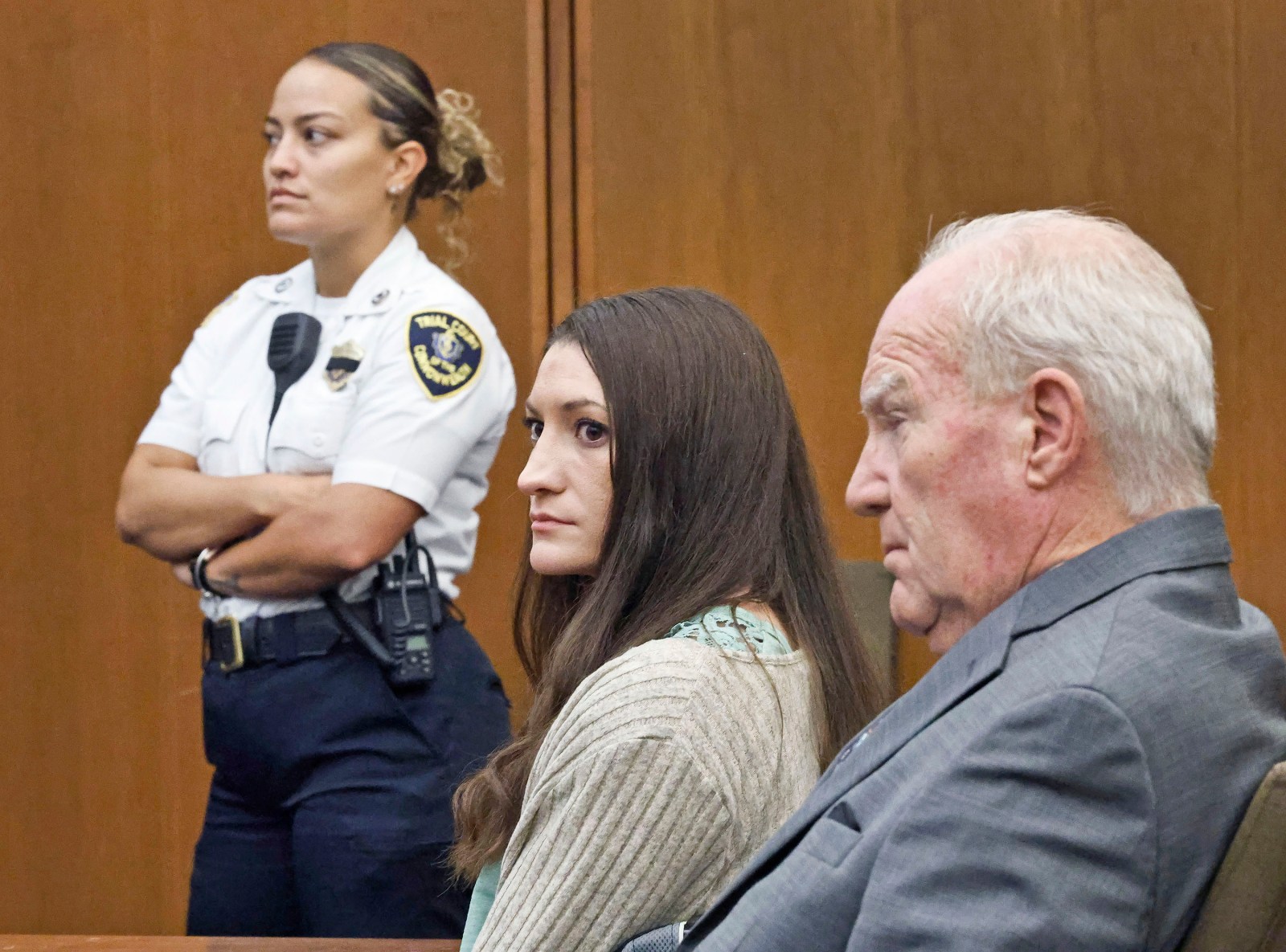
Lindsay Clancy’s Return to Court
Lindsay Clancy’s murder trial ended in a mistrial, and she returns to Plymouth Superior Court, facing the possibility of a retrial. The next hearing might offer insights into whether prosecutors will pursue another trial or consider a plea deal.
Defense’s Challenges
Kevin Reddington, Clancy’s attorney, contests a retrial on double-jeopardy grounds. He argues that Judge William Sullivan could have addressed the deadlock without declaring a mistrial. Seth J. Zuckerman, a criminal defense attorney, notes that double jeopardy is unlikely to prevent a retrial since the U.S. Supreme Court allows retrials after hung juries.
Jury Dispute
The hearing occurs amid disputes about the jury. Reddington seeks an investigation into a holdout juror’s conduct during deliberations. The defense suggests the juror might have misrepresented information during selection. Zuckerman believes an investigation might happen if evidence shows the juror lied during the selection process.
Request for Acquittal
Clancy’s defense also asks the judge to find her not guilty, arguing the prosecution failed to prove her criminal responsibility. Zuckerman explains that this argument, distinct from double jeopardy, could end the case without a retrial if the court agrees that a rational fact-finder could not find her guilty beyond a reasonable doubt.
Prosecution’s Decision and Case Status
The Plymouth County District Attorney’s Office has not committed to a retrial. The upcoming hearing may shed light on the prosecution’s plans. If prosecutors decide on another trial and the defense’s motions fail, the case could proceed.
Alternative Outcomes
If the judge grants an acquittal or agrees on a double-jeopardy basis, the case may conclude without further prosecution. The hearing could also leave the case unresolved, pending the judge’s decisions on various motions.
The Role of the Holdout Juror
Michael Desronvil was the lone juror maintaining Clancy’s criminal responsibility for her children’s deaths. Post-trial, the defense questions his jury selection disclosures and whether he used a cellphone during deliberations. Desronvil’s attorney argues against an investigation, emphasizing the independence needed for jurors’ conclusions.
Consequences If No Retrial Occurs
If prosecutors don’t pursue a retrial, or if the court bars it, the prosecution won’t be repeated. The outcome’s legal implications depend on the court’s rulings on defense motions. A possible finding of not guilty would prohibit retrying the charges.
Potential Agreements
Prosecutors might opt out of another trial, or discussions on a plea deal might occur. The case’s end, without a conviction, influences Clancy’s status, subject to legal rulings and her current treatment at Tewksbury Hospital.
Next Court Hearing
Clancy’s hearing following the mistrial is set for Tuesday at Plymouth Superior Court. The court will address upcoming case steps, possibly hear arguments, and expect the prosecution’s stance on a retrial. This hearing marks a crucial moment since the mistrial, offering clarity on whether Clancy will face another trial or new legal challenges over retrial permissibility.