Destiny Amos Faces Health Challenge with Brain Tumor Diagnosis
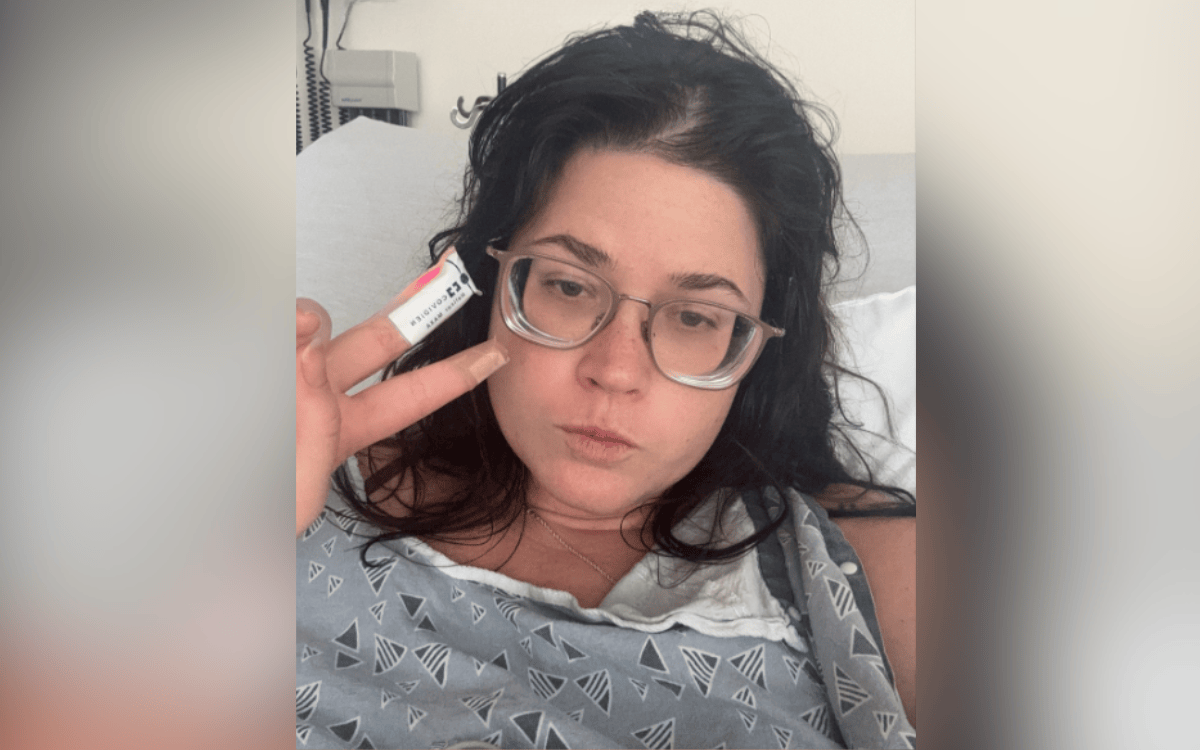
Destiny Amos visited the emergency department suspecting low blood sugar was causing her dizzy spells and brain fog. A CT scan revealed a different issue. The Jacksonville, Florida resident shared her experience with Newsweek.
Amos recalled her symptoms worsening in June. She felt persistent dizziness, as if swaying while still, coupled with brain fog and pressure in her head. She also experienced numbness on one side of her face.
Amos felt anxious and sensed a significant problem in her body. Anxiety reached a peak when she woke up one night disoriented and experiencing severe dizziness and nausea. Her mother called 911, leading to her ER visit.
In the hospital, Amos told her doctor of her history with blood sugar issues. She questioned if they were linked to her symptoms. The doctor ordered CT scans of her abdomen and brain. The brain scan revealed a 3 cm meningioma impacting her cerebellum, explaining her symptoms.
A meningioma is a tumor in the brain and spinal cord membranes. Though often noncancerous, it is the most common primary brain tumor in U.S. adults. It affects women more and risk increases with age.
After the scan, Amos was hospitalized and underwent an MRI for a detailed tumor examination. She stayed for a month before having surgery.
Reflecting on her symptoms over the years—linked to anxiety, low iron, or thyroid issues—Amos struggled with fatigue, vision issues, headaches, numbness, forgetfulness, and clumsiness. She learned her tumor’s location could impact coordination and stress response pathways.
While not all her symptoms were tumor-related, the diagnosis provided clarity. The daunting prospect of surgery was balanced by the relief of knowing the cause.
Surgery on August 24 revealed the tumor’s partial calcification, indicating long-term presence. Surgeons believed they fully removed it. Biopsy results later confirmed the benign nature of the tumor.
Amos described recovery as slow, mentioning issues with concentration, memory, nerve pain, ear ringing, and headaches. Some days bring improvement, while others feel regressive. Her doctors expect her to recover significantly within three months.
Processing the ordeal is still challenging for Amos, occasionally leading to emotional moments. Connecting with others who had brain surgery offers support. She hopes sharing her story helps others feel less fearful or isolated.