Supreme Court Allows Trump Administration’s Third-Country Deportation Policy
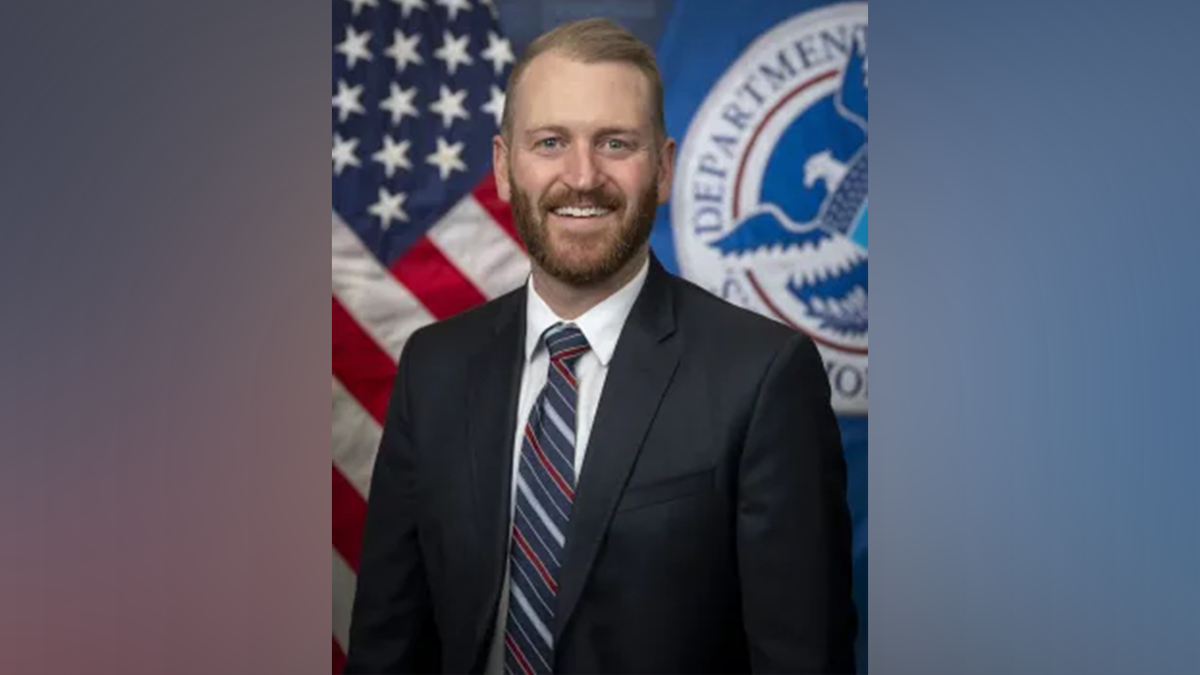
The Supreme Court has temporarily permitted the Trump administration to continue its third-country deportation strategy. This decision comes as the Department of Homeland Security’s (DHS) top lawyer advocates for an immigration authority previously underutilized by past presidents.
DHS has increased the use of third-country removals when a removable individual cannot return to their home country, or if the home country refuses to accept them. DHS General Counsel James Percival describes this as part of a broader strategy to revive existing immigration laws.
“Imagine going to a country and saying, hey, we’ve got a guy, he’s not your guy, and he’s a rapist, but can he please live there?” Percival expressed during an interview.
On Tuesday, the Supreme Court stayed a lower court ruling that restricted DHS’s policy. This allows the administration’s guidance to continue while the Court examines the case further in December. The focus will be on whether agency procedures align with federal immigration law and due process.
Percival argues the statute explicitly allows third-country deportations. The provision was included in the Illegal Immigration Reform and Immigrant Responsibility Act (IIRIRA) of 1996, signed by President Bill Clinton.
“A lot of people in government treat their authority like fine china. They’re afraid to use it, fearing it’ll be taken away,” Percival noted.
This strategy faces criticism from human rights advocates, particularly after allegations of deportees being mistreated in Equatorial Guinea. The U.S. gave $7.5 million to the nation in an agreement to accept third-country deportations.
Percival highlighted the case of Kestutis Zadvydas, a stateless individual who faced deportation, leading to a Supreme Court ruling on post-removal detention. Six months is considered a reasonable duration, after which continued detention can be contested if removal is not foreseeable.
Through his “Daily Deportee” series, Percival aims to inform the public on deportees whose home countries refuse them, such as Burmese national Kyaw Mya. Another case involves a migrant who, after serving time for a violent crime, was not removed and reoffended upon release.
“If the person is a child rapist and serves 20 years, we have two choices: find a third country, or release them into an American community,” Percival stated.
As DHS continues to employ lesser-used tools under IIRIRA and other laws, Percival and DHS Secretary Markwayne Mullin emphasize the voluntary return option: offering $3,000 and a flight home to those willing to leave.
Born and raised in Allentown, Pennsylvania, Percival has been with Fox News since 2013, working in both the New York and Washington bureaus.