Caitlin Clark’s Overlooked WNBA MVP Season
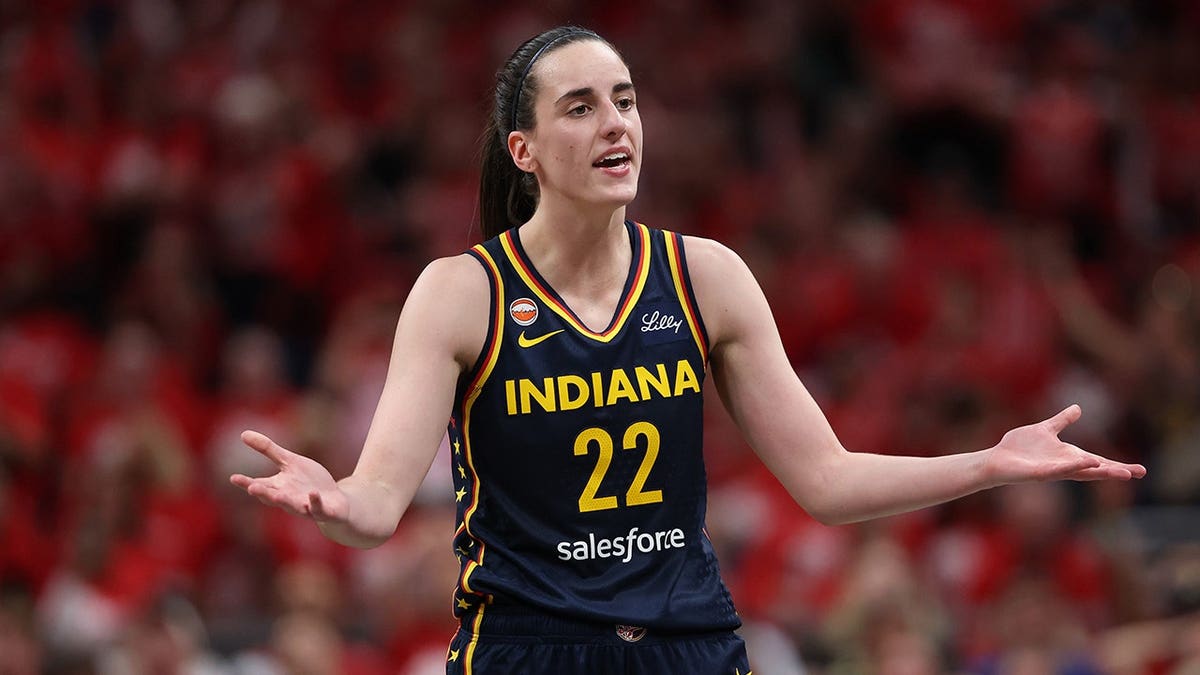
Caitlin Clark’s performance this WNBA season was historic, yet she received only one first-place MVP vote. Surprisingly, 19 voters didn’t even include her on their ballots. This left many questioning the decision-making process of the voting panel comprised of sportswriters and broadcasters.
While A’ja Wilson secured her fifth MVP award with 65 of the 74 first-place votes, Caitlin Clark, despite her groundbreaking season, appeared only on 55 ballots overall. Her scoring and playmaking prowess led to an average of 22.3 points and 8.3 assists per game, marking her as the first WNBA player to maintain such impressive statistics.
Clark’s Remarkable Achievements
Clark’s influence extended to an average of 41.2 points per game when considering her contributions through both scoring and assists. This achievement set a league record for offensive value, highlighting her critical role in the Indiana Fever’s performance. Her teammate, Kelsey Mitchell, who finished higher in MVP voting, benefited significantly from Clark’s playmaking.
Clark managed to record five games with at least 30 points and 10 assists in one season, something only achieved four times collectively by other WNBA players in history. Her standout game against Seattle showcased her talent, where she scored 45 points and gave 10 assists, marking the first-ever 40-point, 10-assist game in the WNBA.
Discrepancies in Voting
Despite this dominant season, Clark was overlooked by a quarter of the voting panel. Olivia Miles from Minnesota, who averaged fewer points and assists than Clark, finished ahead due to Minnesota’s strong team performance. Mitchell also garnered more votes, yet both benefited from Clark’s exceptional play.
Wilson, who averaged 26.2 points, 9.4 rebounds, and topped in blocks per game, justified her MVP win. Nevertheless, the judgment to exclude Clark from the top five raised eyebrows, especially since Clark contributed significantly to her team’s league-record 96 points per game average.
Media Coverage and Public Perception
The media’s portrayal of Clark often overshadowed her performance. Criticism from prominent commentators such as Cari Champion and Nancy Armour, who focused on her personality over her gameplay, influenced public perception. Such comments redirected the conversation from her on-court achievements to a debate about representation and identity.
This media narrative didn’t necessarily clarify why some voters bypassed Clark entirely. The scrutiny extended to other awards, like the Defensive Player of the Year, where similar voting inconsistencies appeared.
The Need for Voting Transparency
The situation calls for transparency from the 19 voters who left Clark off their ballots. Without clear basketball-related justifications, skepticism around their decision-making will persist. While an MVP award should not be based on popularity alone, Clark’s record-setting statistics and contribution to her team’s performance undoubtedly merited more significant recognition.