Electoral Roll Removals Stir Protests in India
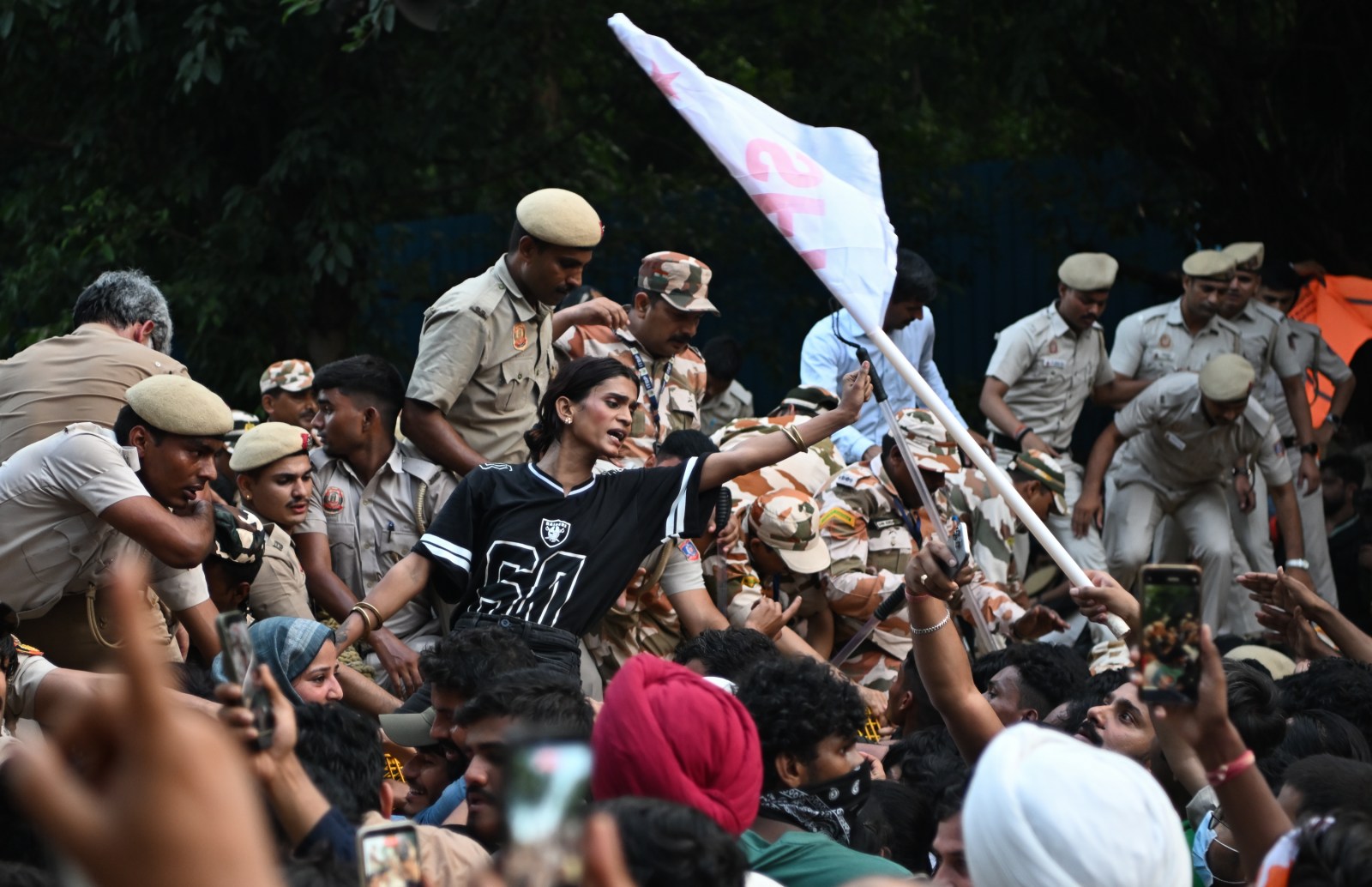
Maya Devi resides in an informal settlement near Delhi, living a precarious life. Despite the challenges, she valued the voice given in the world’s largest democracy. Recently, Devi and over 130 million others have been removed from India’s electoral rolls based on various grounds, according to the Election Commission data. This action has sparked anger and allegations of foul play, leading to a surge of protests against Prime Minister Narendra Modi, the nationalist leader of the world’s most populous nation.
Early Tuesday, leaders of the Cockroach Janta Party (CJP), a youth-led group, were detained while protesting and demanding the resignation of Chief Election Commissioner Gyanesh Kumar. Over the weekend, authorities temporarily detained more than 2,400 protesters. On Monday, opposition leaders marched to the Supreme Court, seeking intervention on the voter lists.
“I have been voting for decades, and suddenly that right has been taken away from me and my entire family.
” Devi expressed her shock, stating, “There are six or seven in my family, none of us can read or write. All our names have been removed from the voter list.” According to her, officials informed them of their removal after they were handed a form without prior notice.
Critics argue that Kumar’s voter-list revision risks disenfranchising many eligible voters. The Election Commission and the Bharatiya Janata Party (BJP) denied the allegations of manipulation. BJP spokesperson Sudhanshu Trivedi emphasized that removed names did not include valid voters. The Election Commission stated that those removed were marked as absent, shifted, deceased, or duplicate in draft rolls and did not represent final roll deletions, as reported by the Free Press Journal.
Hrishika Jain, a legal scholar, criticized the Special Intensive Revision (SIR), aimed at verifying and updating electoral rolls, suggesting it disproportionately affects those lacking stable housing. Migrant workers and individuals without old family documents face challenges establishing residency and meeting literacy requirements, she noted.
The revision’s electoral impacts are under scrutiny. Political analyst Neelanjan Sircar studied West Bengal’s 2026 election, where Modi’s party achieved unprecedented success. Sircar’s analysis found a roughly 10 percent contraction in voter rolls, predicting a swing benefiting the BJP at the expense of opposing Trinamool Congress. SIR affected constituencies significantly, with Muslims comprising over 70 percent of the 2.7 million voters removed in the second phase, Sircar reported.
Despite these findings, political analyst Praveen Rai from the Centre for the Study of Developing Societies claimed no credible evidence exists of deliberate voter removal to benefit BJP. He highlighted illegal immigrants moving to Bangladesh as a valid factor, widely documented and acknowledged by neighboring governments.
Rashmi Singh, a political sociologist, noted challenges for voters in navigating reinstatement procedures. While BJP’s booth-level support network aids its voters, minorities lack similar support, complicating re-registration efforts.
Rai warned that criticism aimed at the Election Commission and demands to scrap SIR could damage public confidence in the constitutional body, affecting India’s international standing. Jain argued for changes in how election commissioners are appointed to ensure the body’s independence.
Maya Devi highlighted additional struggles faced after her family’s home was bulldozed, compounding their grievances over voting rights. “We were told to go back to where we came from or rent a place in Delhi, but we cannot afford that. We want our voting rights back,” Devi said. “We don’t know what to do, whom to contact, or how to get our names back.”