Aurora Officials Debate Residency Requirement for City Leaders
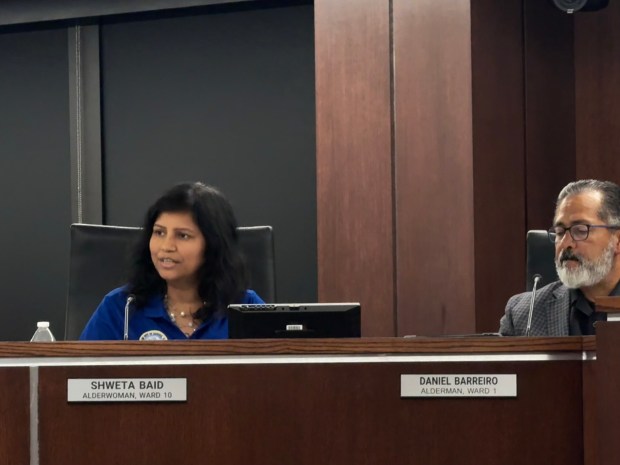
Some officials in Aurora are questioning the necessity of a requirement that mandates city department leaders to live within the city. According to Michele Clark, Aurora’s chief human resources officer, the requirement limits an already narrow candidate pool and affects staff diversity. In contrast, Alderman Shweta Baid from the 10th Ward argues that understanding the city is crucial for leaders.
The City Council previously reviewed a proposal to amend the residency requirement, allowing department heads to reside in surrounding areas. This proposal went back for further review after an August Council meeting. Discussions at a recent City Council Committee meeting suggest removing the requirement altogether, potentially altering the proposal language from nearby town residency to no requirement.
Clark shared her view that an official’s commitment to the community isn’t tied to their address. The committee plans to revisit the discussion on October 20. Supporters of removing the residency rule suggest it remain a preference in job posts. This change would expand upon a similar ordinance approved that lets police and fire chiefs live within 15 miles of Aurora city limits.
Alderman Daniel Barreiro, representing the 1st Ward, argues that a residency requirement suits emergency responders but doesn’t apply to other officials. He cites high turnover rates among department heads, noting his own experience working under four different leaders in five years. Barreiro also highlights enforcement challenges related to residency rules.
Currently, 53% of city department heads live in Aurora, according to city data. Barreiro recalls when many staff moved after Aurora dropped its employee residency rule years ago, suggesting that forcing moves isn’t fair without job security.
Analyses show that 66% of job applicants in 2026 live outside Aurora, which Clark suggests points toward needing a broader candidate search. Clark believes loosening restrictions could attract more diverse candidates for specialized roles.
Aurora’s Alderman Carl Franco of the 5th Ward calls the residency requirement outdated and welcomes its removal. He believes barriers should be minimized to attract top talent. Franco argues that having to relocate may deter qualified individuals with established lives elsewhere.
Baid, however, values city knowledge among leaders and proposes that candidates should have at least two years of experience in Aurora. She suggests this approach could help local staff progress into leadership roles, ensuring they understand the city and its culture.
Alderman Ted Mesiacos from the 3rd Ward agrees on the importance of community presence for senior staff. He notes community support for maintaining such requirements.
Clark warns that Baid’s amendment may sustain a lack of diversity in staff. Citing U.S. Bureau of Labor Statistics, she notes the current workforce is predominantly male, with women making up only 25% of Aurora’s employees compared to 47% nationally.
This issue has sparked debate since 1993 when Aurora scrapped residency requirements for full-time employees. Arguments include improved public safety and quicker response times if officials live locally. However, the city recently exempted department heads needing a professional license or specialized skill from residency rules.