Challenges with Mail-In Ballots Due to Postal Service Changes
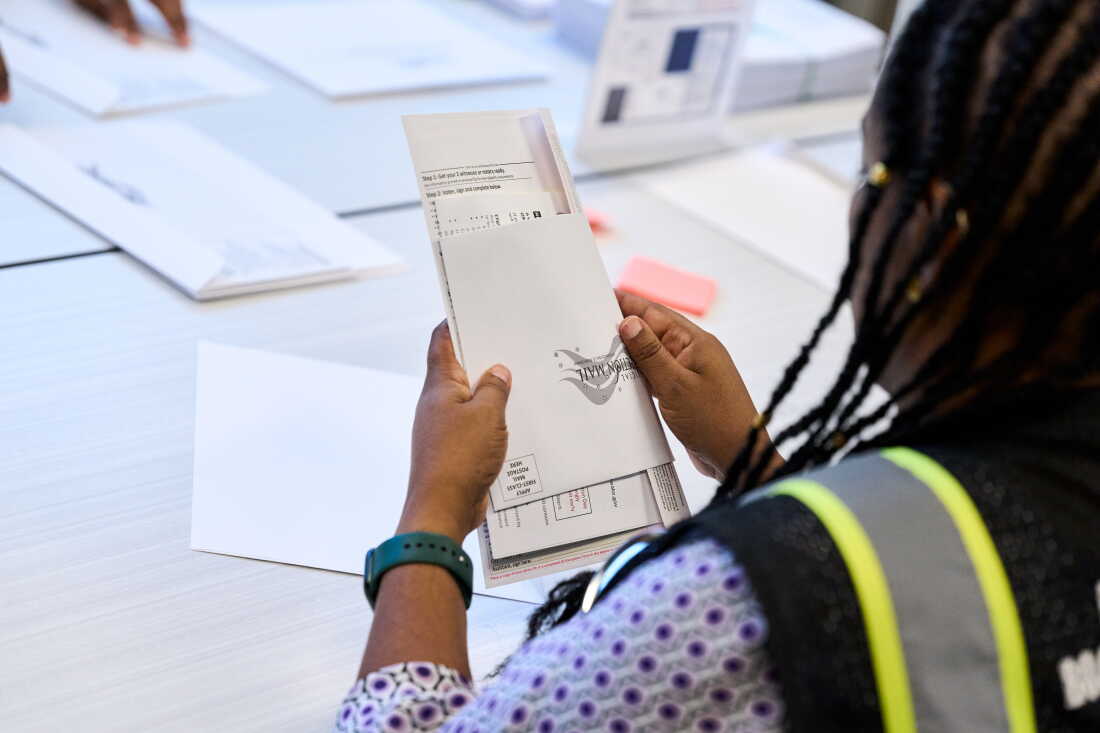
The process of returning mail-in ballots through the U.S. Postal Service (USPS) has grown riskier for voters who wait until close to Election Day. Changes in the mailing system have increased the likelihood of late postmarks, leading to potential ballot rejections. Many election officials now advise voters to return ballots directly to local election offices or use available drop boxes instead.
This call to avoid mailbox returns is linked to decreased confidence in USPS’s ability to ensure timely delivery. Previously, efforts to limit mail-in voting, as seen during the midterm elections under President Trump’s administration, were opposed by the Supreme Court.
Election officials base assessments on whether ballots have been mailed by Election Day using USPS postmarks. To address concerns, USPS has announced plans for special postmarking procedures as part of “extraordinary measures” to improve service for federal general elections. The USPS advises mailing ballots at least a week before state-imposed deadlines. Voters in states with extended grace periods for late-arriving mail ballots should consider obtaining a manual postmark by visiting a post office directly to ensure timely postage.
Factors Behind Late Postmarks
Since April 2025, USPS has carried out daily mail pick-up cuts and processing changes at certain locations, especially rural post offices. These actions are part of a decade-long “Regional Transportation Optimization” (RTO) plan aimed at financial stability. Consequently, USPS may not automatically provide same-day date stamps on envelopes from letter carriers or drop-off points.
As a response to challenges, USPS has directed post offices affected by RTO to separate ballots for manual postmarking starting October 26. Previously, failure to implement this procedure contributed to higher ballot rejection rates in multiple states during primaries.
Elena Patel, a senior fellow in economic studies at the Brookings Institution, expressed cautious optimism about USPS’s steps to address late postmarks, though she remains concerned about potential execution challenges. Patel estimates that the RTO effort could lead to the rejection of 43,000 to 55,000 ballots nationwide. Her predictions, formed before USPS announced final policies, highlight ongoing challenges in managing a large-scale postal network with limited resources.
Additional USPS Measures for Election Mail
USPS plans further extraordinary measures, including extending post office hours beginning October 24, ten days before Election Day. This includes setting up drive-through lanes for obtaining manual postmarks. Enhanced ballot delivery speeds are proposed starting October 26. When asked about not initiating these measures 15 days ahead, as in previous elections, USPS explained that timeframes are carefully assessed for each General Election.
Despite historical success in delivering election mail, USPS acknowledges the growing challenges. Michelle Sparck, director of Get Out the Native Vote in Alaska, emphasizes difficulties faced by mail-in voters in remote areas. She recounts issues with delayed postmarking in Alaska Native villages, resulting in ballot rejection and voter discouragement.
Sparck encourages voters to plan and act early, recommending participation in early voting opportunities when available to ensure ballots enter the secure custody chain well in advance of Election Day.
By addressing these hurdles, the goal is to uphold the integrity and reliability of the mail-in voting system amidst ongoing logistical and operational complexities.