Cartels Adjust as Political Climate Shifts in the Americas
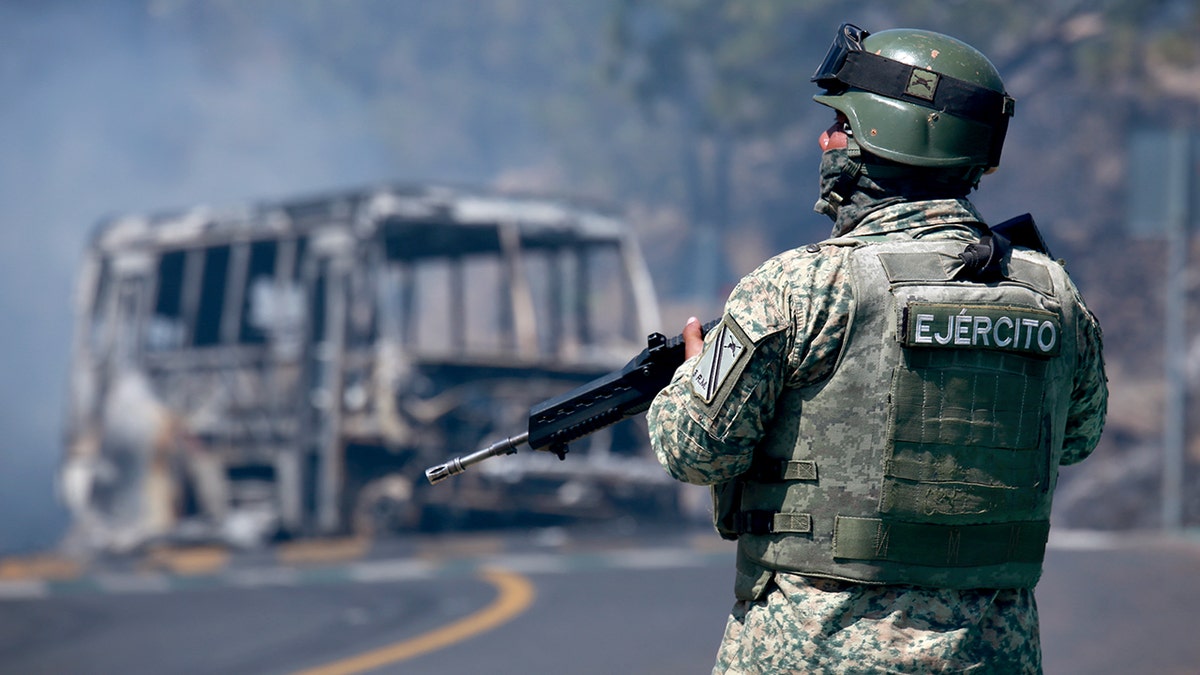
The loss of political cover is affecting cartels in the western hemisphere as shifts in U.S. policy focus on treating the area as a security problem. This has led to significant developments, including the capture of Venezuela’s Nicolás Maduro and the election of Abelardo de la Espriella in Colombia, who opposes negotiations with armed groups. Several countries such as Argentina, Chile, Ecuador, and Paraguay now align with Washington’s enforcement policies.
The Shield of the Americas coalition coordinates intelligence and operations against cartel networks. However, exceptions like Mexico, Brazil, Cuba, and Nicaragua remain. This strategy, known as the Donroe Doctrine, emphasizes U.S. predominance in handling migration, Chinese influence, and the drug trade.
Impacts on Major Cartels
The shift has significantly impacted operating environments for major cartels including the Sinaloa and CJNG in Mexico, and networks in Colombia and Venezuela. With Cuban support waning due to internal challenges, the Castro regime in Havana appears increasingly unstable. Around one-fifth of Cuba’s population has left since 2021, highlighting a collapse in public services and currency value.
In Mexico, President Claudia Sheinbaum’s Morena government continues bilateral contacts with the U.S. but avoids engaging in the regional coalition due to concerns about U.S. operations on Mexican soil. Isolation could raise diplomatic costs for supporting drug lords.
Cartels Adapt to New Circumstances
Cartels are already adapting. Spanish authorities arrested a CJNG-linked group transporting methamphetamine disguised as vanilla aroma. Colombian President Abelardo de la Espriella stopped previous administration accommodations with armed groups. U.S. pressures on Venezuelan airspace have curtailed Eastern Caribbean drug trafficking.
Violence and advanced tactics like drone use are escalating. Mexican authorities have arrested former Colombian soldiers aiding cartels, involving in ambushes and explosive works. The use of drones is now commonplace, with Mexican and Colombian cartel affiliates reportedly learning advanced combat techniques in Ukraine.
In Tijuana, an attack on a prosecutor’s office using drones with nails is indicative of evolving cartel tactics. With airspace security concerns, Mexican authorities fear further drone attacks.
Potential Future Developments
With cartels under pressure, three developments are expected:
- Increased involvement in “legitimate” businesses like avocado farming and real estate to diversify income streams.
- Intensified violence in contested territories, driven by disruptions in cartel leadership and route competition. This could lead to further conflict in areas like Michoacán and Jalisco.
- Greater investment in bribery and extortion of officials, with a focus on maintaining access to valuable geographic points.
The situation does not depend on the potential collapse of the Cuban regime or direct involvement of former Colombian special forces in cartel operations. Instead, it is the overall geopolitical realignment, the U.S. maritime intervention, European drug seizures, and the narrowing diplomatic landscape in Mexico that will likely dictate future scenarios.
Cartels are businesses under pressure and may opt to trade territory for advanced laboratories and corruptible officials. The resilience of the Shield of the Americas coalition will be crucial in determining whether costs imposed on cartels and their allies outpace tactical adjustments.