Echols Opposes Livestreamed Execution of Fort Hood Shooter
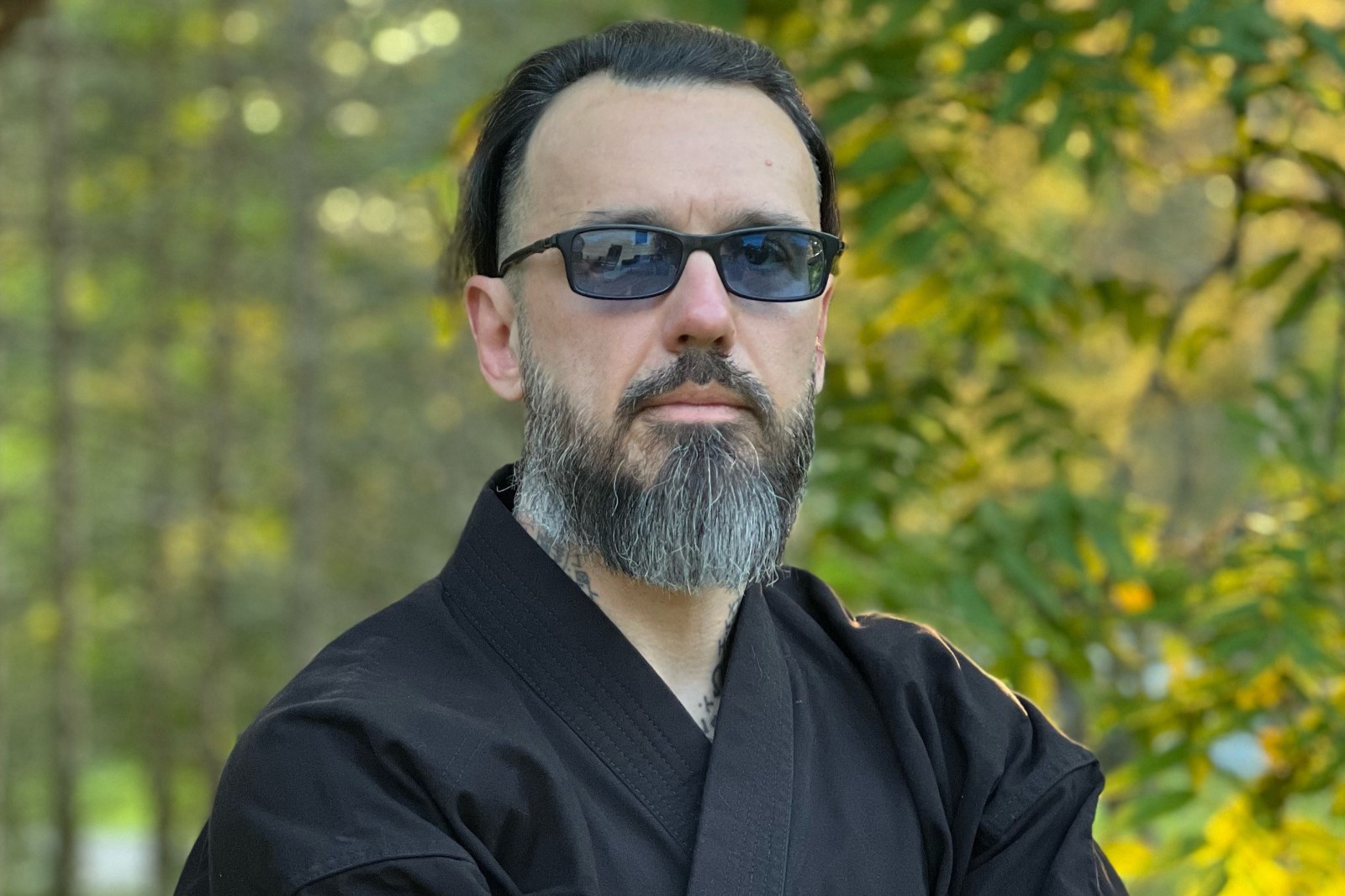
Damien Echols, who spent nearly two decades on death row before being exonerated, expressed concern to Newsweek about the potential live broadcast of Nidal Malik Hasan’s execution. Hasan, responsible for the 2009 Fort Hood massacre that resulted in 13 deaths, is set to face the firing squad on December 3.
A Pentagon official confirmed the execution would be livestreamed, aligning with Defense Secretary Pete Hegseth’s statement about making it public. This decision occurs amidst ongoing scrutiny about the death penalty in the U.S., highlighted by a recent botched execution in Tennessee.
Echols, still working to clear his name from the notorious ‘West Memphis 3’ case, argued that broadcasting Hasan’s execution could harm the mental and emotional state of society. His viewpoint is echoed by a letter from a victim’s brother, urging President Donald Trump to reconsider and prevent the event from becoming a ‘public spectacle.’
The potential livestream has sparked backlash, including from some Republicans, as the conversation around capital punishment continues to evolve in the U.S. Newsweek reached out to the White House for comments but is awaiting a response.
Perspectives on the Death Penalty
Echols, now an author and magician, shared that his prison experience shaped his perspective on capital punishment. He believes that while some inmates can reform, others remain dangerous. Echols argued that executing reformed individuals is a loss of potential, though he acknowledged that in some cases, the death penalty might prevent greater harm.
Despite his nuanced view, Echols opposes making executions part of public spectacle, warning of potential desensitization. He pointed to a viral social media post he made, urging against watching the execution. He emphasized that exposure to such violence can desensitize people, a concern heightened by the spread of violent content on social platforms.
Social Implications
Echols expressed unease about the broader societal impact of livestreaming executions. He cited a rise in polarization, fearing such broadcasts may deepen societal divisions. He also warned about the potential for the execution to elevate Hasan’s status among extremists, creating a dangerous narrative.
Drawing parallels to the 2011 operation against Osama bin Laden, Echols noted the avoidance of public broadcasts to prevent inflammatory outcomes. He implored Trump to reconsider the plan, stressing its potential harm on impressionable viewers, particularly children.
Official Stance and Execution Details
Trump confirmed his approval of the plan, underscoring his support for capital punishment. He emphasized the execution’s purpose as a deterrent and a response to Hasan’s actions.
Set for December 3 at Fort Hood, Hasan’s execution by a military firing squad will mark a historical first for livestreamed executions in the U.S. Defense Secretary Hegseth remarked on the importance of public awareness about severe consequences for such crimes.
Updates on Echols’ Legal Battle
Echols continues to pursue exoneration in connection with the ‘West Memphis 3’ case. Released in 2011 under a plea deal, Echols and his co-defendants have been excluded from crime scene evidence through DNA testing. Further testing, permitted by the Arkansas Supreme Court, is ongoing.
The focus is on ligatures used in the crime, aiming to uncover conclusive DNA evidence. Despite repeated delays, Echols remains optimistic about new findings finally resolving the case.