States’ Varying Observances of Columbus Day and Indigenous Peoples’ Day
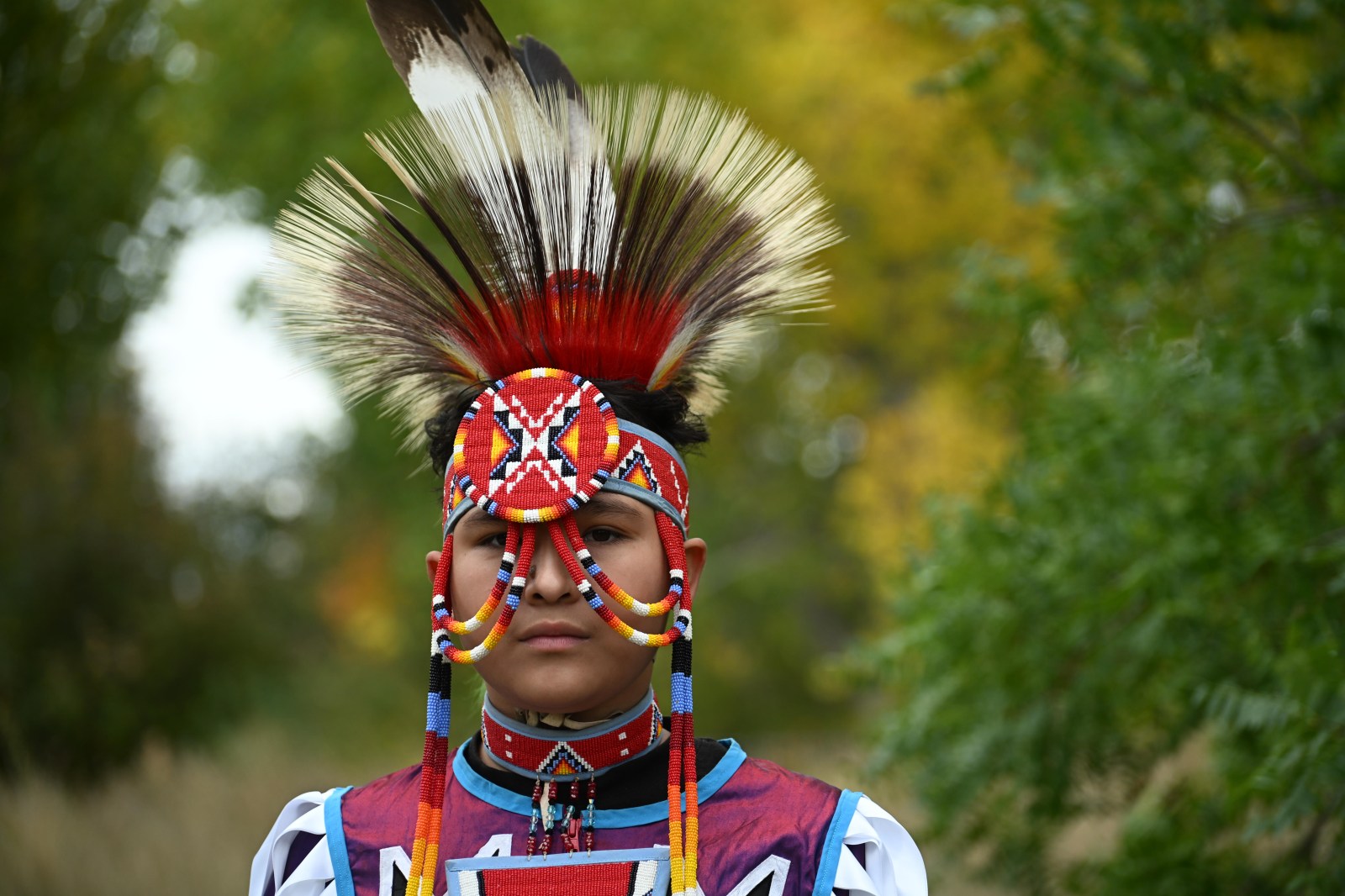
Across the United States, the second Monday of October is known by different names. Varying by state, this date can be recognized as Columbus Day, Indigenous Peoples’ Day, or both. In 2020, this day was marked on October 12. While Columbus Day retains its status as a federal holiday, more states are choosing to honor Native Americans with Indigenous Peoples’ Day.
Recognition Across the States
The Pew Research Center reports that 30 states and three U.S. territories acknowledge Columbus Day in some form. However, only 20 of these states treat it as a paid holiday for state workers. Seventeen states plus Washington, D.C., acknowledge Indigenous Peoples’ Day, but only five do so alongside Columbus Day as a paid holiday: Montana, Nebraska, Ohio, Pennsylvania, and Rhode Island.
The Significance of Names
The name given to this holiday reflects larger debates around U.S. history. Columbus Day remains enshrined in federal law, though an increasing number of states recognize Indigenous peoples as well.
Federal Holiday Status
Indigenous Peoples’ Day is not currently a federal holiday, while Columbus Day is. President Joe Biden issued the first presidential proclamation for Indigenous Peoples’ Day in 2021. Despite this, the law still names Columbus Day as the federal holiday.
In his proclamation, Biden emphasized the contributions and resilience of Indigenous peoples and the government’s promises to Tribal Nations. In contrast, former President Donald Trump recognized Columbus Day, praising Columbus’ legacy and asserting his administration’s intent to preserve it.
State Observances
Here’s how states currently observe Indigenous Peoples’ Day:
Indigenous observance alongside Columbus Day:
- Montana
- Nebraska
- Ohio
- Pennsylvania
- Rhode Island
States that have an Indigenous holiday without recognizing Columbus Day include:
- Maine
- New Mexico
- South Dakota (Native American Day)
- Vermont
States with an unpaid Indigenous observance day:
- Alaska
- California
- Hawaii
- Minnesota
- Oklahoma
- Oregon
- Wisconsin
Continued Recognition of Columbus Day
Despite its removal from some state calendars, Columbus Day persists in others. According to research, 30 states still recognize it, along with three territories. There is overlap with some states acknowledging both Columbus Day and Indigenous Peoples’ interests, revealing ongoing disagreements over historical legacy.
There are divergent opinions about Columbus Day’s significance. Some believe the holiday honors Italian American heritage. In contrast, proponents of Indigenous Peoples’ Day argue that traditional observances neglect native histories and the impacts of European colonization.
History of Indigenous Peoples’ Day
The journey toward Indigenous Peoples’ Day has unfolded over decades. Its roots trace back to a 1977 international conference addressing discrimination against Indigenous groups. In 1990, South Dakota replaced Columbus Day with Native American Day. Berkeley, California, became the first U.S. city to recognize Indigenous Peoples’ Day in 1992.
In 2021, President Biden recognized Indigenous Peoples’ Day, though this did not alter federal law.
Focus on Observances
As Columbus Day remains a federal holiday, federal offices and the U.S. Postal Service will close. The Federal Reserve Banks will also be shut. Most banks may follow suit, though individual schedules may vary. For schools, decisions depend on state and local calendars, meaning closures are also varied.
Future Prospects
The federal recognition of Columbus Day is expected to persist. However, states continue to modify their observances. At present, the federal law remains unchanged. Former President Trump reaffirmed Columbus’ legacy, stating an intention to protect it.