Challenges in Organizing the Cultural Olympiad for the 2028 Los Angeles Games
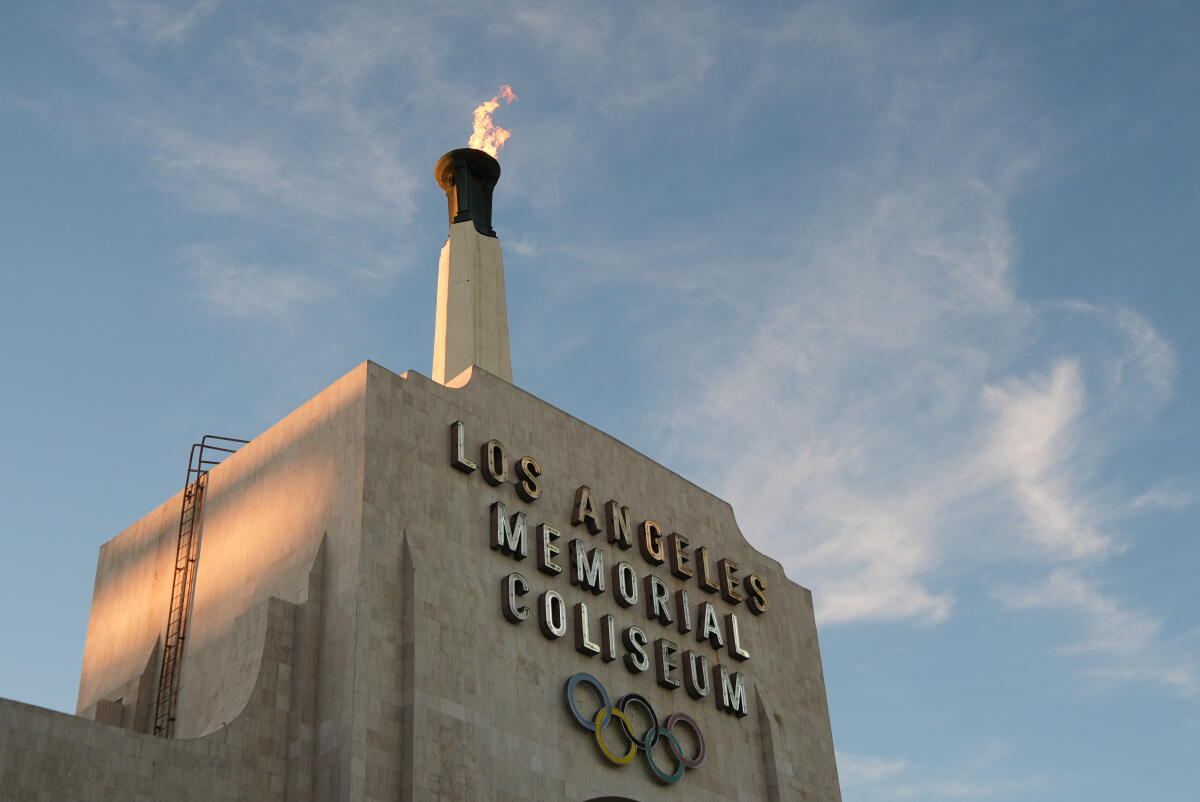
With under two years remaining until the 2028 Olympic and Paralympic Games in Los Angeles, substantial challenges persist concerning the funding and coordination of the Cultural Olympiad. This arts and culture program plays a key role in showcasing the host city’s commitment to creative arts, potentially leaving a lasting impact on the region’s artistic legacy. For example, the 2024 Paris Olympics featured over 2,500 projects across three years. In contrast, while Los Angeles arts organizations and nearby cities are commissioning projects and organizing local celebrations, critics argue that a cohesive plan is lacking.
Legislative Concerns and Criticisms
During a legislative hearing at the California Science Center, lawmakers questioned the organizers about the funding for the Cultural Olympiad. They wanted to know how much money would be available and when funds would reach the artists and communities involved. Former Los Angeles County Supervisor Zev Yaroslavsky commented on the delay in cultural planning since Los Angeles was awarded the Games in September 2017, providing an 11-year preparation period. He noted that because of this delay, engaging major artists who book years in advance became difficult, yet he remained hopeful about the Olympiad’s success.
Local Initiatives and Coordination Efforts
Sofia Klatzker, Santa Monica’s cultural affairs manager, reported on their proposed cultural framework, which includes performances, exhibitions, public art, and international exchanges. The hearing, convened by Sen. Benjamin Allen, saw nearly 100 officials and arts advocates share a variety of current efforts and stressed the need for better coordination and financial clarity.
The budget for the Los Angeles Olympics and Paralympics is set at $7.263 billion according to a report by City Administrative Officer Matthew W. Szabo and Chief Legislative Analyst Sharon M. Tso. During the hearing, Dwayne Jones, LA28’s senior vice president for the Cultural Olympiad and stakeholder events, shared fundraising goals but did not specify the cultural budget. Plans for community arts were outlined, but specifics on funding allocation were absent, leading to ongoing questions. Executive Director Nora Halpern anticipated programming announcements in 2027 and shared future plans like a digital platform for events.
Municipal Reports and Cultural Programs
City and county officials provided updates on related activities. Los Angeles’ Department of Cultural Affairs has committed $15 million to its core program, which includes events like World Cup arts activities. Future plans hinge on further funding, including Olympic murals and disability arts initiatives. Similarly, Los Angeles County’s department builds around grants and youth programs, with projects such as a Year of Creative Youth and arts education.
Local arts administrators also presented their strategies. Long Beach and West Hollywood officials reported investments and ongoing plans in creative projects, while Arts for LA CEO Gustavo Herrera introduced Mosaic LA to coordinate neighborhood cultural efforts.
Federal Involvement and Additional Considerations
The discussion touched on the federal government’s support, noting $1 billion from FEMA for Olympic security and related expenses. However, cultural funding was treated separately. Assemblymember Christopher M. Ward emphasized the need for federal financial backing.
UCLA professor Dr. Tawny Paul provided insight on the impact of Olympic tourism, indicating that visitor numbers do not guarantee higher cultural engagement, emphasizing the importance of focusing on local audiences. Assemblymember Smallwood-Cuevas stressed the importance of presenting a clear and concise request for state support, grounded in factual needs.