Israel’s Upcoming Election: A Close Race Between Netanyahu and Eisenkot
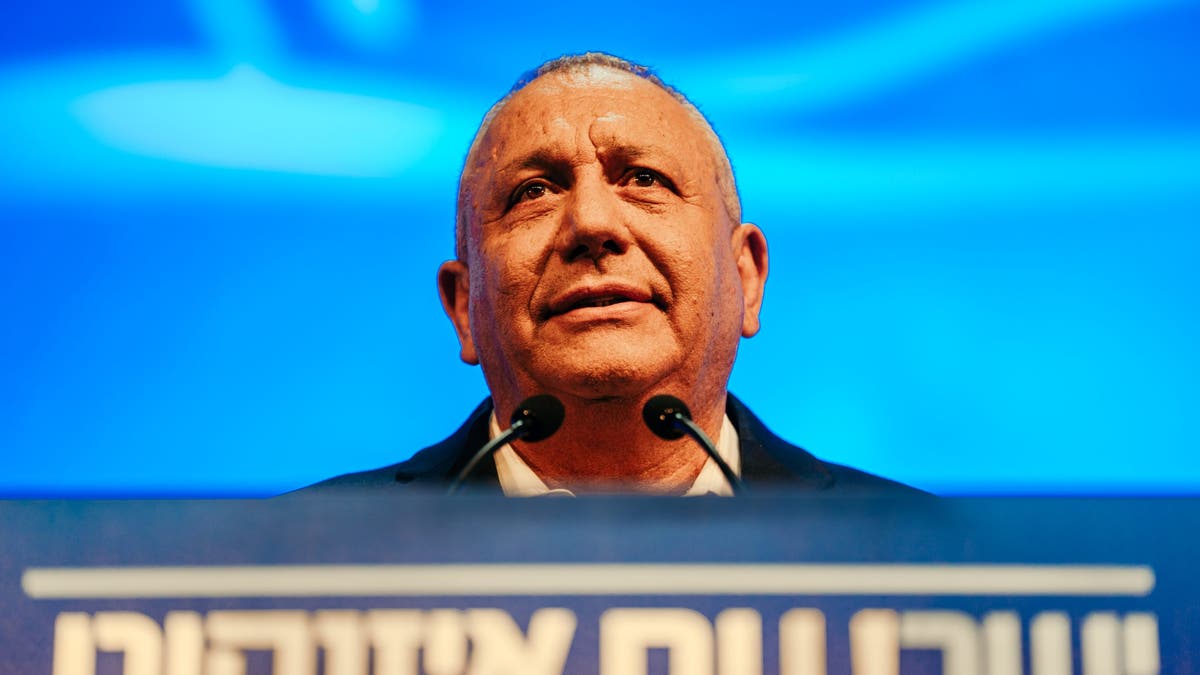
As Israel’s election on October 27 approaches, the political spotlight is on the intense rivalry between Prime Minister Benjamin Netanyahu and the new political figure, retired Lt. Gen. Gadi Eisenkot. This election brings together contrasting histories and leadership styles.
Eisenkot, leading the centrist Yashar party, has emerged as a formidable opponent with his military background. According to various polls, Yashar holds a slight edge over Netanyahu’s Likud. Yet, both parties face the challenge of securing a 61-seat majority in the Knesset to establish a government.
Eisenkot’s Background and Political Journey
Born in Tiberias and raised in Eilat, Eisenkot’s roots trace back to a Jewish-Moroccan family. His military career began in the elite Golani Brigade, and he ascended to become the chief of staff of the Israel Defense Forces (IDF) from 2015 to 2019, a testament to his leadership and dedication.
Despite his military success, Eisenkot is an unconventional politician. Yossi Melman, a respected journalist, describes him as honest and humble, noting that Eisenkot once declined the role of IDF chief of staff, believing it was Benny Gantz’s turn. Eisenkot’s lack of traditional political flair is countered by his integrity, making him a unique contender in this election.
A Historic Candidacy
Eisenkot’s potential victory would be historic, marking the first time an Israeli Prime Minister comes from a Mizrahi—North African and Middle Eastern Jewish—background. Historically, the office has been dominated by Ashkenazi, or Eastern European descent, leaders.
Military and Political Challenges
On October 7, 2023, after a brutal Hamas attack that claimed over 1,200 lives, Eisenkot joined the war cabinet under Netanyahu. His involvement was said to stabilize the government during a time of crisis. However, he resigned after eight months, citing a lack of strategic vision under Netanyahu’s leadership.
This conflict also affected him personally, with the death of his son, 25-year-old Master Sergeant Gal Eisenkot, and two nephews at the hands of Hamas. His military loss and subsequent resignation positioned him as a leader driven by purpose and personal sacrifice.
Perceptions and Prospects
Military historian Danny Orbach comments on Eisenkot’s strengths and weaknesses, recognizing him for shaping an IDF capable of significant military achievements, yet critiquing him for underestimating the threat posed by Hamas. Yet, Eisenkot’s appeal as a ‘non-Netanyahu’ candidate reflects a desire for change among some voters.
Eisenkot’s approach to international relations and internal dynamics, including potentially addressing extremist violence in the West Bank and repairing international alliances, are seen as positive shifts.
International Relations and Personal Acclaim
His wife, Hannah, hails from an American Jewish family. Awarded the Legion of Merit by U.S. General Joseph Dunford, Eisenkot has fostered strong U.S.-Israel relations, a factor reflecting his broad strategic perspective.
An Israeli analyst, Nadav Eyal, regards Eisenkot as one of the most effective Chiefs of Staff in recent decades, pointing to his strategic operations against Hezbollah in Lebanon, which showcased his military prowess.
The election results may not be immediately clear due to Israel’s coalition-based electoral system, where forming a government can take time as parties negotiate alliances to reach the necessary majority.