WNBA Eligibility and Questions of Identity and Fairness
The WNBA has stirred controversy by declaring that certain individuals are ineligible to play because they are identified as men. This decision has sparked a discussion about eligibility, fairness, and freedom in women’s professional basketball.
Commissioner’s Decision
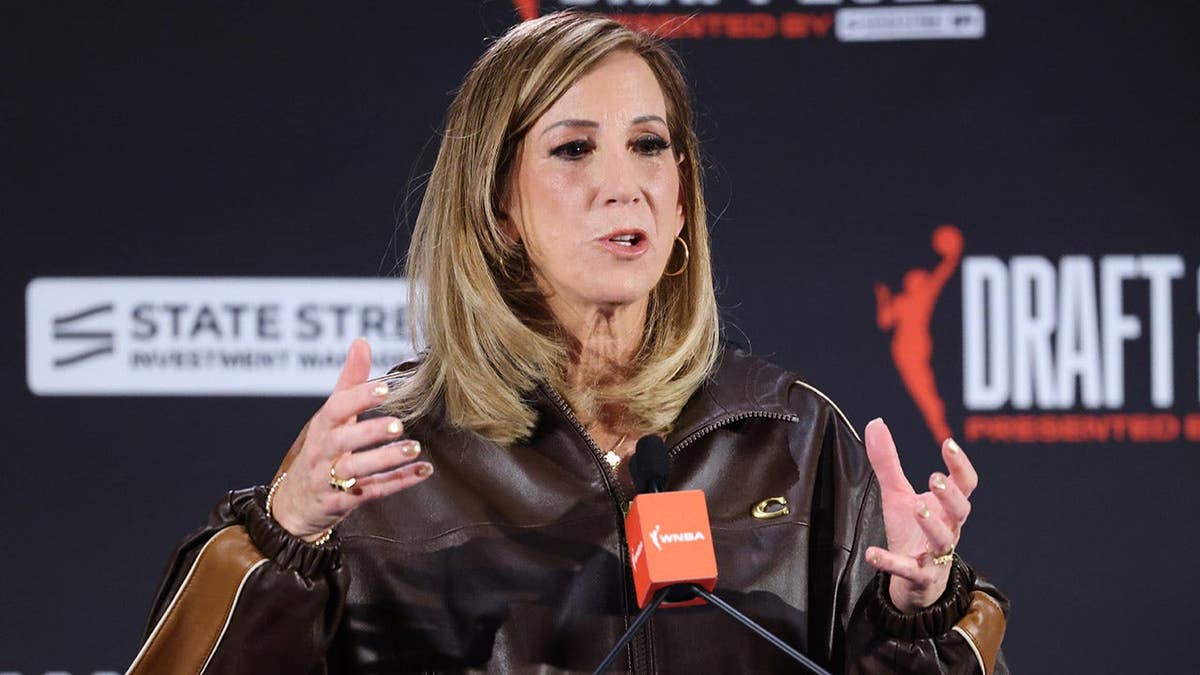
WNBA Commissioner Cathy Engelbert recently informed that some individuals, including myself, are not eligible to play in the league. Her statement, citing that these individuals are men, leaves much to question. For instance, there has been no clarifying mention regarding a biological standard for eligibility. It raises concerns about how the league determines gender identity.
The core issue seems to revolve around defining who qualifies as a woman in the league. Currently, the WNBA has formed a task force to review its eligibility policies, yet no transparent policy has been established publicly. This uncertainty leaves women athletes, who have devoted their lives to this sport, without clear protections for their opportunities to compete fairly.
Personal Experience at the WNBA Finals
I publicly advocate for women’s rights in sports, advocating for clear eligibility rules. During the WNBA Finals in Atlanta, I was not allowed to sit in the courtside seats that I had purchased. Instead, the league advised me to watch from a private suite, citing safety concerns. When I declined this and insisted on my purchased seats, security escorted me out. This incident marks the second time I have been denied access to a WNBA event while advocating for women’s fair competition.
Response to Commissioner Engelbert’s Statement
Commissioner Engelbert’s communication to Congressman Marlin Stutzman identified us as men, leaving gender qualification questions unanswered. Without addressing whether biological males are eligible, the WNBA continues to send mixed messages. If the league is confident in identifying men, then a similar standard should apply to determining women’s eligibility.
This lack of transparency creates ambiguity and potential unfairness in the league’s policies. Female athletes deserve to know the rules protecting their rights and opportunities are applied uniformly.
Broader Issues of Freedom and Fairness
As an advocate for freedom, the matters at hand are larger than personal eligibility. They concern the principles of fairness and freedom of expression. Entering the arena of public discourse about rights and opportunities, especially for women in sports, demands courage.
The ongoing debate on gender identity in sports includes broader societal aspects too. Some players have protested by leaving the court during the national anthem, expressing their freedom of speech. This symbolizes the complex relationship between personal rights and the values that these opportunities represent.
Final Thoughts
The WNBA faces a critical decision: to clarify their standards and policies openly. Commissioner Engelbert must address the eligibility questions directly, outlining clearly who can play and why. By ensuring transparent and fair policies, the WNBA can demonstrate its commitment to protecting women’s sports and the athletes who participate.
Efforts must continue to ensure these principles are upheld, challenging institutions to remain just and equitable in their decision-making processes.