House Leadership: Hakeem Jeffries’ Potential Rise and Challenges
In 2015, Ohio Republican John Boehner announced his resignation as Speaker of the House in a unique manner, singing “Zip-a-Dee-Doo-Dah.” During his exit interview, he described stepping down as shedding a burden. Boehner shared how isolating the Speaker’s role was, saying, This is the loneliest place in the world.
His remarks to Politico further highlighted the difficulties he experienced negotiating with President Obama due to internal party challenges, likening it to negotiating while naked.
The issues Boehner faced did not vanish with his departure. Paul Ryan, his successor, struggled with the conservative wing of his party. After Republicans lost their majority in 2018, Kevin McCarthy faced difficulty securing the Speakership in 2023. It took 15 ballots for his appointment, and his position was precarious. Over-promising with limited ability to follow through cost him the role, marking the first time the House ousted a Speaker with a vote. McCarthy later reflected, I knew at the time I probably wouldn’t be able to end the job, I mean, not on my terms.
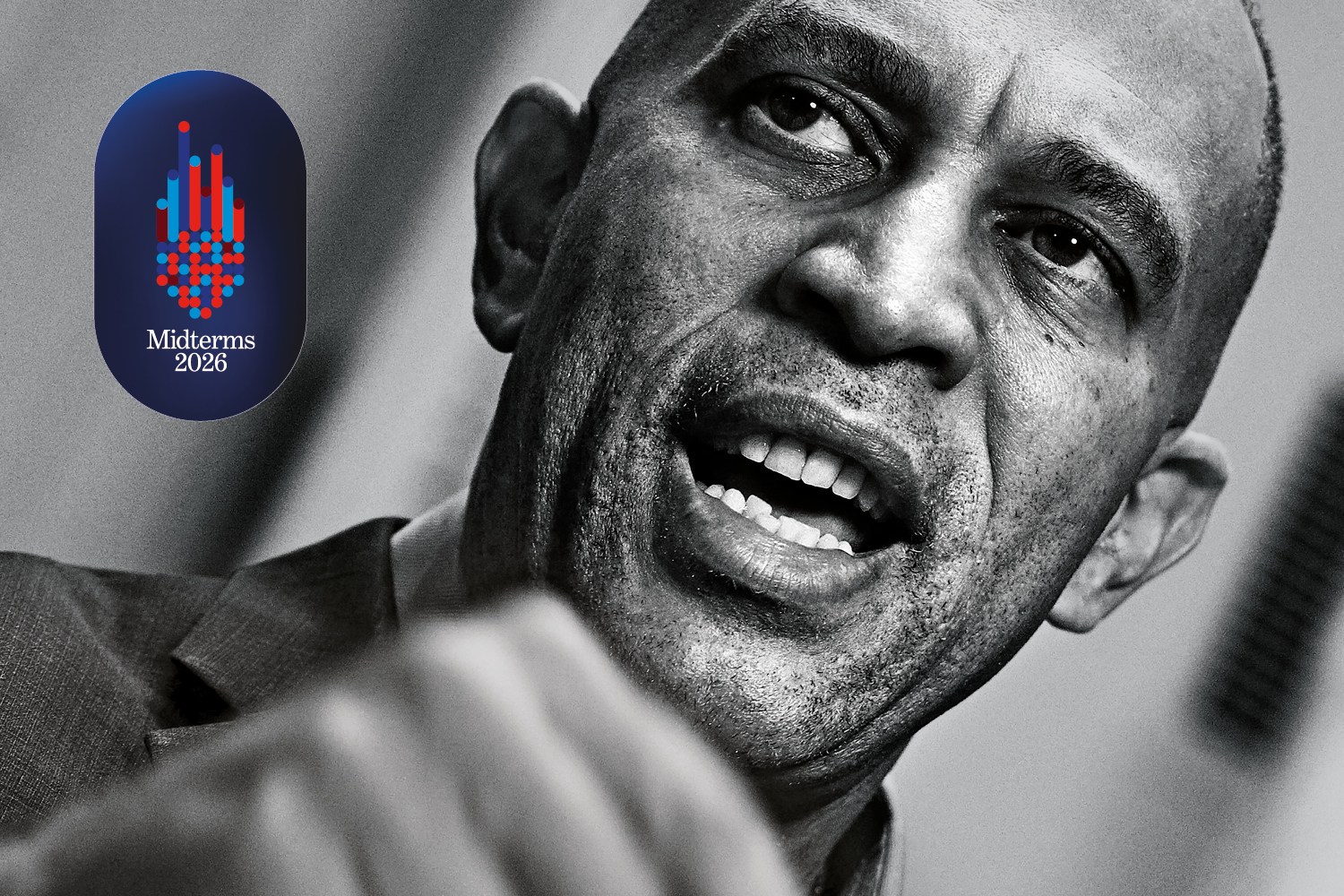
On the other side, Democratic leader Hakeem Jeffries, from Brooklyn, emerged as a significant player. During the extended voting process for McCarthy’s gavel, Jeffries’ name resonated throughout the House floor, with every Democrat backing him steadfastly. As McCarthy’s removal left a vacancy, the House GOP took weeks to elect a new Speaker, ultimately selecting Mike Johnson from Louisiana. According to election forecasts, if Democrats gain a majority, Jeffries stands a substantial chance at becoming the first Black American House Speaker. During an October campaign event in Pennsylvania, Jeffries expressed optimism, stating, We take nothing for granted, but we’re on the verge of taking back control of the House of Representatives.
Cornel West, a storied philosopher, remarked on Jeffries’ potential historic ascension, noting that while representation is important, it must not overshadow integrity and conviction. Reflecting on the Republican wave of 2010, Boehner’s entry into the office saw 87 freshmen, many driven by the Tea Party, arriving with skepticism both towards Democratic opponents and their own leadership. By 2015, assertive members had bound into the House Freedom Caucus, notable for its compact, yet pivotal, influence.
The emerging Democratic majority shares a familiar energy but from a different origin. Driven by grassroots activists like the Democratic Socialists of America (DSA), there’s a growing demand for change against the established political order. Representative Jim Clyburn, a Jeffries mentor, noted, Having unity doesn’t mean being unanimous.
As Speaker, Jeffries will need to manage his party’s diverse ideologies, similar to his Republican predecessors.
Despite the disagreements, Jeffries remains experienced in handling contention. His congressional tenure, especially as a minority leader, demonstrates his capacity for consensus-building. Jeffries has orchestrated significant accomplishments, including utilizing discharge petitions effectively and contributing to strategic fundraising efforts that bolster the Democratic coffers.
Some observed that Jeffries’ leadership rests on his capability to maintain party cohesion. Former House staffer Drew Hammill emphasized the value of behind-the-scenes consensus-building.
Reflecting on Jeffries’ journey, he began as an outsider in Brooklyn, driven by a blend of political ambition and community connectedness. Raised in a historic area by educated parents, his upbringing offered deep-rooted cultural and political perspectives. Transitioning from law to public service, Jeffries ran unsuccessfully for the New York State Assembly, facing and losing to Roger L. Green initially.
Yet Jeffries’ persistence paid off, eventually securing his place in the assembly after strategically relocating post-redistricting. The national stage saw Jeffries, as part of the Congressional Black Caucus, addressing impactful issues like the police shooting incident in Ferguson, Missouri.
Jeffries’ rapid political ascent partially stems from the insurgent nature of the Democratic landscape in 2018, following the appointment of shared leadership from the left. This shift addressed a broader appetite for a resilient, adaptable Democratic stance in an era overshadowed by former President Trump’s administration.
Jeffries worked on constructing messages that catered to centrist voters, prioritizing victory over issue-specific platforms. His leadership was crucial during the Democrats’ significant seat gain in 2018. Meanwhile, progressive movements, typified by the growing influence of the DSA, drastically altered the political landscape in areas like New York City.
In his own constituency, Jeffries faces challenges from an evolving voter base that combines younger demographics with elements critical of the status quo. Notably, his connections on a broad political spectrum have facilitated campaign successes in key districts across various states.
Jeffries’ strategy involves projecting a big tent approach, balancing progressive ideals with broader party goals. This extends to managing inter-party dynamics effectively, even amid disagreements. Whether addressing long-standing Democratic structures in New York or interfacing with newer entities, Jeffries applies aligned yet critical engagement.
Nonetheless, criticisms, such as the lack of alignment with the DSA, suggest potential areas for scrutiny. However, with tested skills in political maneuvering and a history of resilient leadership, Jeffries positions as someone capable of navigating the complexities of leading the House.
Assuming the Speakership under current political climates would position Jeffries uniquely to demonstrate pragmatic leadership. While potential opposition from various factions exists, his coalition-building expertise might ultimately serve to substantiate his leadership vision. Such balance could reinforce a more unified Democratic front, potentially laying the groundwork for durable governance.