Social Media Habit Linked to Mental Health Symptoms
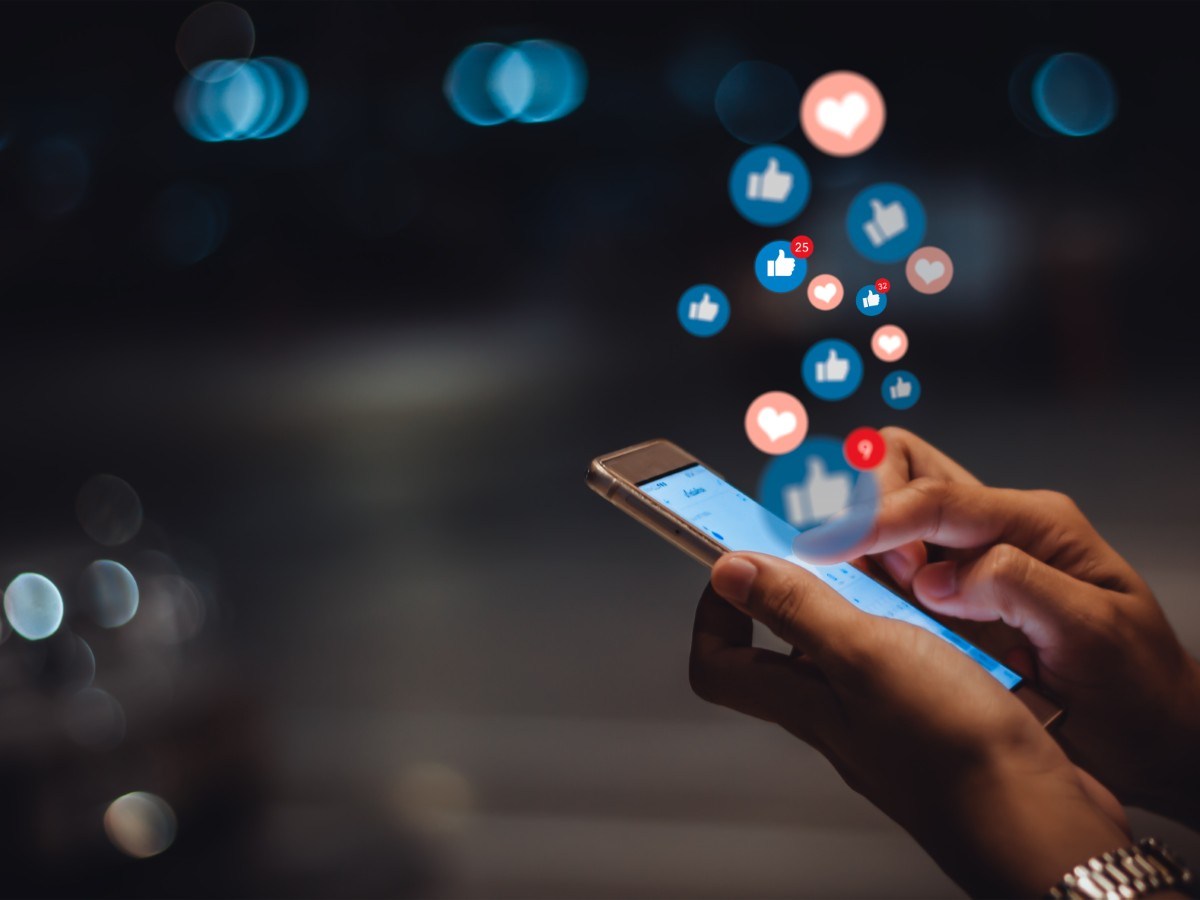
One social media habit is linked to symptoms of various mental health conditions, including anxiety and depression. Researchers in Norway investigated how five online behaviors affect mental health: hostility from and towards others, social comparison, passing time, and seeking support.
Social comparison emerged as the ‘strongest predictor’ of symptoms in five mental health conditions: attention deficit hyperactivity disorder (ADHD), oppositional defiant disorder, generalized anxiety disorder, social anxiety disorder, and major depressive disorder. This study was published on October 17 in the journal Child and Adolescent Psychiatry and Mental Health.
Peter Etchells, a professor at Bath Spa University, noted, “This ties in with growing research on social media use and its effects. We’re moving beyond simple measures of ‘screen time’ and even beyond active engagement versus passive scrolling.”
Etchells explained that social comparison involves investigating how viewing content relevant to personal interests, showing successes or failures, affects viewers.
“Not all social media time is the same. If you’re concerned about your usage, it’s important to consider how, when, and why you’re engaging with social media,” he stated.
The study included over 4,000 adolescents from Norway, averaging 14 years of age. Researchers assessed their social media usage through the Social Media Use Scale, which covers the five behaviors: hostility from and towards others, social comparison, passing time, and seeking support. Participants also completed a phone questionnaire measuring symptoms of the five mental health conditions.
Social comparison online explained 20 to 26 percent variation in symptoms of generalized anxiety disorder, social anxiety disorder, and major depressive disorder. It accounted for six to nine percent in ADHD and oppositional defiant disorder symptoms. Hostility from others was the second strongest predictor, explaining three to six percent of variance.
Simply passing time on social media showed no independent association with any of the reviewed mental health symptoms. However, the single moment in which data was collected doesn’t clarify if symptoms preceded specific social media behaviors.
Etchells noted, “Without long-term data, you can’t determine what comes first – whether poorer mental health results in increased specific social media engagement or vice versa.” This underscores the need to understand social comparison’s true impact on mental health without confirming an association.
Etchells concluded, “We need long-term, convergent evidence from various well-conducted studies revealing consistent findings.” He emphasized more nuanced examination of social media interactions, rather than focusing solely on time spent on platforms.