Alleged Effort to Confuse Voters in Alaska Senate Race
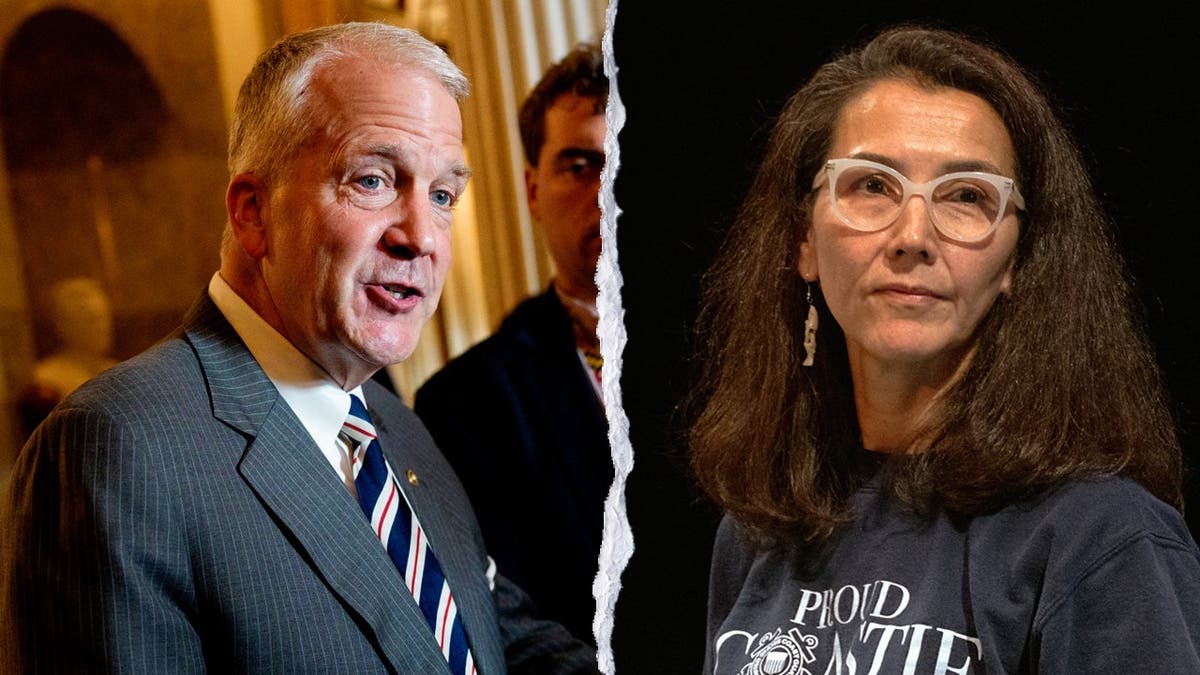
The New York Times has unveiled an investigation into a strategic move reportedly linked to operatives supporting Democratic Senate candidate Mary Peltola and the Democratic Senatorial Campaign Committee. The focus of this effort was on recruiting a second Dan Sullivan to appear on Alaska’s ballot, aimed at creating confusion among voters. This revelation comes as approximately 10% of registered voters in Alaska have already cast their ballots, roughly translating to 58,000 individuals who may have voted prior to the disclosure of this alleged initiative.
Peltola’s campaign and the DSCC have publicly denied their involvement in this endeavor. The report from the New York Times suggested the plan to recruit Republican spoiler candidates involved Dan J. Sullivan. This tactic reportedly included coordination between DSCC representatives and Peltola’s campaign staff, supported by text messages, interviews, and internal documents.
A source interviewed indicated that Peltola was aware of these efforts. Dan J. Sullivan, another Senate candidate in Alaska, made it to the general election after securing 2.5% of the votes in the primary. Sullivan’s campaign announcement did not specify a political party affiliation, nor did his website offer his stance on any key issues. During his campaign, he urged Alaskans to vote against the incumbent and elect a Sullivan who represents Alaska’s interests.
The Department of Justice recently filed a lawsuit aimed at postponing certification if Sen. Dan Sullivan is defeated, citing potential voter confusion. Yet, the success of this legal action remains uncertain.
Alaska employs a ranked-choice voting system, which further complicates the situation for Sen. Sullivan. Under this system, voters rank candidates they support. If their primary choice is eliminated, their vote shifts to the next preferred candidate. Advocates of ranked-choice voting argue that it enhances voter power and gives more influence to candidates who may not be first-choice options. Conversely, critics claim it causes confusion.
One critic is Alaska State Senator James Kaufman, a Republican. He expressed concerns that some voters might not fill out both “Sullivan” options on the ballot, potentially impacting vote outcomes. Kaufman believes there exists a segment of the population, particularly Republicans, who disagree with the system’s implementation and adhere to the “one person, one vote” principle.
He outlined this perspective in an interview, highlighting instances of ballot fatigue where individuals refrain from ranking due to disagreement with the system. He stressed a notable portion of Alaskans patently reject the ranked-choice voting model in use.