Swift Observatory’s Imminent Re-Entry: Potential Debris Impacts and Mission Legacy
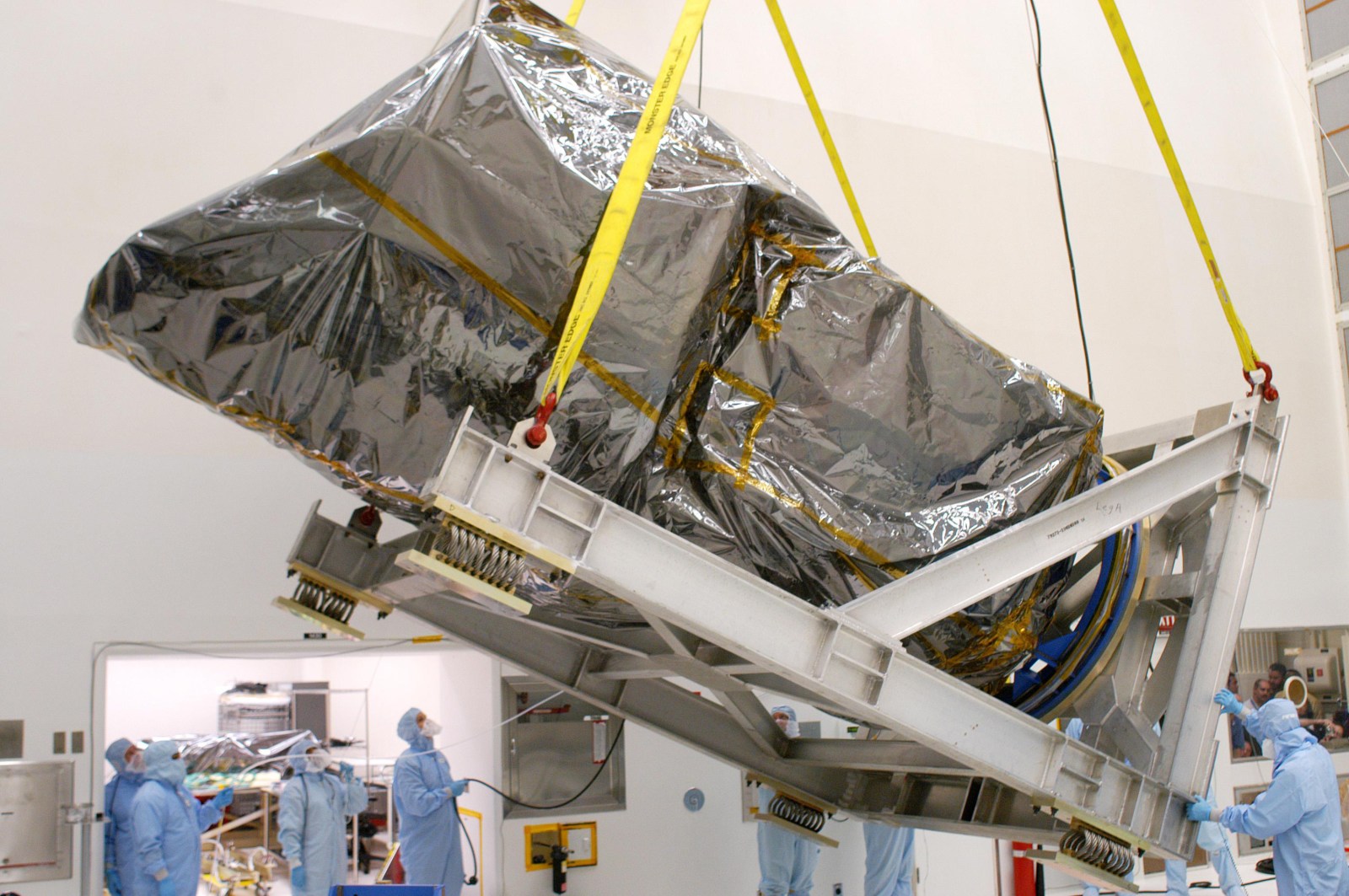
The historic NASA Swift Observatory, active for over two decades in studying powerful space explosions, is soon expected to make its fiery return through Earth’s atmosphere. This re-entry raises concerns about whether any debris from the spacecraft could withstand the descent and where it may land.
Swift Observatory’s Re-Entry
Swift, primarily built for tracking gamma-ray bursts, is anticipated to re-enter around Friday due to its deteriorating orbit accelerated by intense solar activity. The 1.5-ton craft should mostly disintegrate during re-entry; however, dense parts, including tungsten components and mirrors, may reach the surface. NASA predicts any surviving debris will likely fall into the ocean, yet exact locations remain uncertain.
Uncertain Impact Zones
The potential re-entry area covers a vast portion of the globe. Areas within the possible impact zone include regions in Africa, Australia, India, Southeast Asia, Central America, and South America. Predicting the final path of a satellite remains difficult until close to re-entry owing to atmospheric variations. Experts usually refine forecasts only in the last hours before re-entry.
Failed Rescue Attempts
Swift’s descent follows unsuccessful attempts to preserve its mission. NASA appointed Katalyst Space to rescue Swift using the robotic spacecraft Link. This vehicle was meant to approach Swift and elevate its orbit but faced technical issues, failing to achieve its purpose. Consequently, it re-entered Earth’s atmosphere without completing the maneuver.
The Impact of Solar Activity
Increased solar activity has influenced Swift’s inevitable descent. Such activity can warm and enlarge the upper atmosphere, exerting more drag on low-Earth orbit satellites, hastening their altitude loss. NASA explained these conditions quickened Swift’s fall back to Earth.
Swift’s Scientific Contributions
Operational since 2004, Swift systematically targeted gamma-ray bursts, capturing over 2,000 of these energetic explosions and roughly 1,400 stellar outbursts. It enhanced observations of black holes, comets, and asteroids, delivering crucial early alerts to major observatories like the Hubble and James Webb Space Telescopes. By late October, the craft was too low for stable observations, culminating its remarkable astrophysics mission with system shutdowns.