Federal Judge Criticizes ICE Practices in Oregon
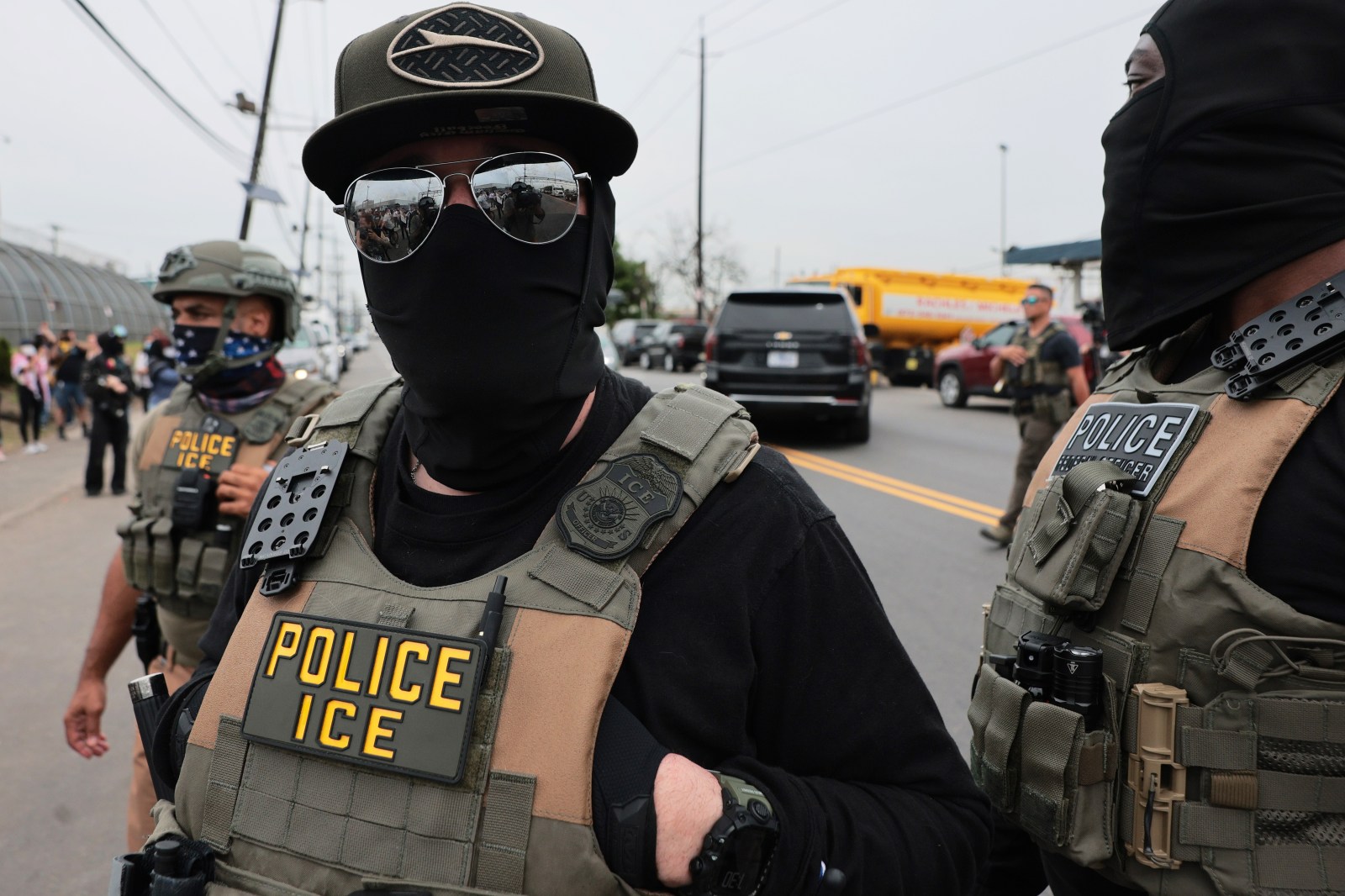
Federal Judge Demands More ICE Agents Testify in Court
A federal judge in Oregon is calling for increased live testimony from ICE agents after discovering false statements in an official arrest record. U.S. District Judge Mustafa T. Kasubhai, appointed by President Biden, emphasized the importance of firsthand accounts directly from government officers when their statements are disputed.
“Evaluating live testimony is a time-tested method for truth finding,” Kasubhai stated in court documents reviewed by Newsweek. “Written declarations are convenient, but insufficient on their own when witnesses are willing to lie.”
The comments were part of an order enforcing a previous injunction against the Department of Homeland Security (DHS) and Immigration and Customs Enforcement (ICE) concerning arrests made without warrants in Oregon. The case raised issues about ICE arrests conducted without judicial or administrative approval. Kasubhai’s earlier ruling required that officers must assess the likelihood of evasion before carrying out warrantless civil immigration arrests.
The Trump administration’s mass deportation policies have frequently clashed with federal courts, leading to accusations against judges of promoting “activist” agendas. Meanwhile, judges have increased oversight of ICE, facing legal actions and accusations of racial profiling and aggressive enforcement tactics.
ICE Officer Found to Have Lied in Arrest Record
Following hearings with testimony from immigration officers, Judge Kasubhai remarked that federal authorities did not fully comply with his order and questioned the reliability of ICE’s accounts of warrantless arrests.
A report by ICE officer J.G played a crucial role in the judge’s decision. The officer falsely claimed to have identified a suspect before stopping his vehicle, suggesting a warrant was issued by a supervisor. However, J.G admitted under oath that he was unaware of the suspect’s existence when the vehicle was first stopped and had no warrant at that time.
J.G confessed to copying details from another report without verifying its accuracy. The judge dismissed his defense that the inconsistencies were mere errors, instead labeling the actions as “intentional, coordinated falsification.” The requirement for J.G to testify under oath was pivotal in uncovering this deceit.
Judge Kasubhai noted the importance of courtroom testimony in holding government agents accountable and emphasized the need for public oversight.
Judge Renounces Presumption of Proper Conduct by ICE
Judge Kasubhai stated he would no longer assume regularity in the actions of ICE, a standard that generally credits government officials with fulfilling their duties properly unless contrary evidence is presented.
Kasubhai pointed to similar concerns from other judges. An example from Massachusetts highlighted “repeated misrepresentations by ICE officers,” leading to the decision to revoke this presumption of regularity.
Concerns Over ICE’s Reporting and Recordkeeping
Kasubhai discovered discrepancies in ICE’s arrest records. Although ICE reported 13 warrantless arrests within six months, Kasubhai deduced that the number was “significantly more than thirteen.” Between February 5 and July 31, ICE conducted 574 arrests in Oregon, 504 of which were marked as noncustodial.
Further inspection of ICE’s I-213 arrest records revealed errors and false information. These inaccuracies cast doubt on the validity of the records for assessing warrantless arrests. The judge remarked that this misconduct calls into question the credibility of all I-213 forms completed by ICE officers in Oregon.
Not all disputes were ruled unlawful by Kasubhai. In one instance, he concluded that officers had reasonable grounds to temporarily detain an individual mistakenly identified as another suspect.