Republican Party’s Massive Campaign Spending in Midterms
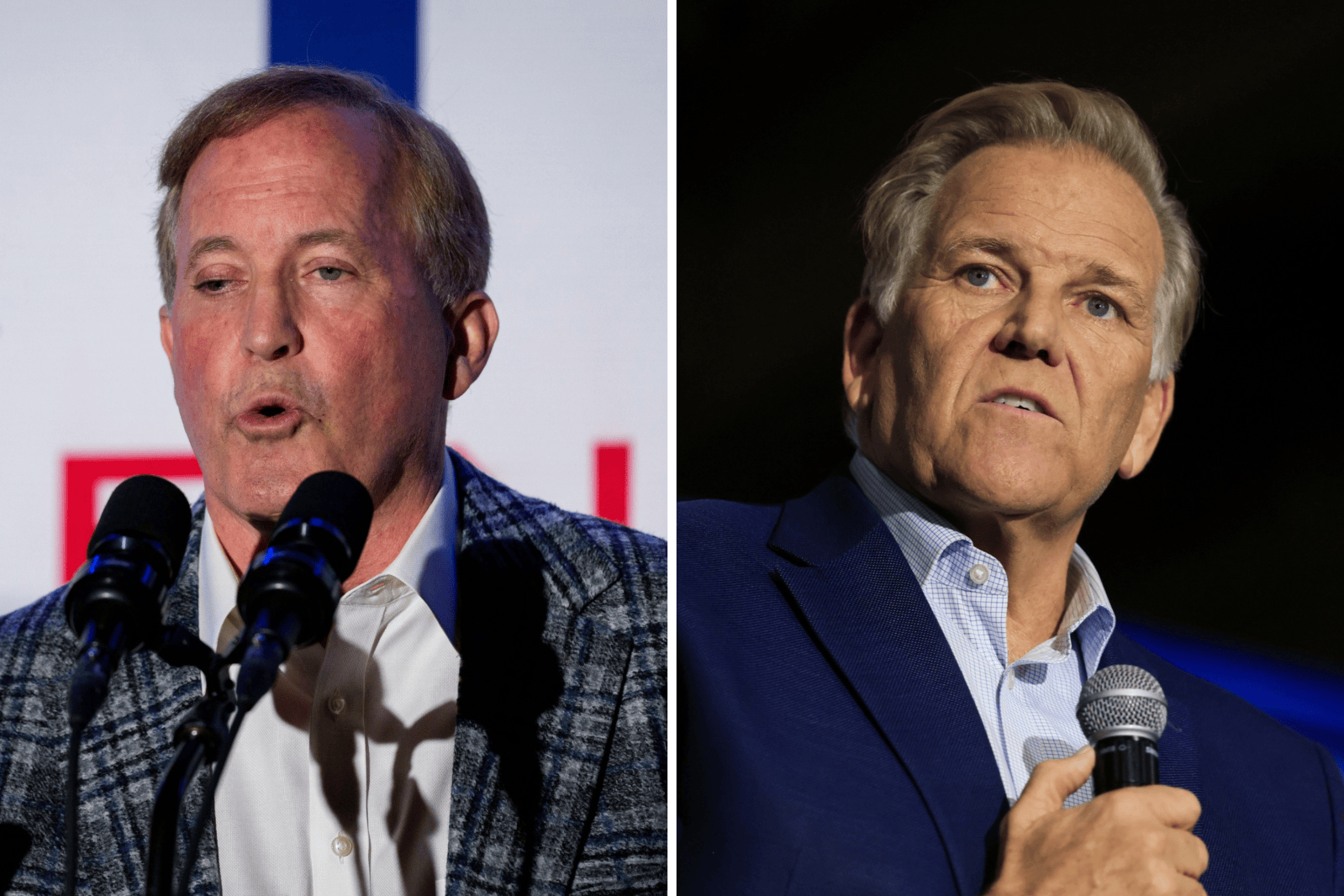
The Republican Party has allocated an enormous amount of money into campaign advertising as the midterm elections approach. With fears of substantial defeats, particularly in the House and Senate, Republicans have invested $1.9 billion on ads in October alone, as reported by AdImpact. This equates to over $60 million each day. Democratic spending in the same period reached $1.76 billion, while $350 million came from independent sources. The combined total of $4.01 billion is a new record, surpassing the $3.83 billion spent in 2024, which included a presidential election.
According to AdImpact, this election cycle is the most expensive in history, with $11.2 billion already spent and future projections suggesting $11.6 billion. Such spending indicates how both parties perceive the election as vital, with an unusual number of competitive races and some doubt about certain candidates’ likelihood of success. Latest polls reveal that Republicans face possible major losses, jeopardizing their dominance in both chambers.
Where Is the Money Coming From?
Campaigns themselves are not the only contributors to this financial outlay. Analysis highlights key individuals and super PACs significantly involved in midterm ad spending. On the Republican side, the Senate Leadership Fund had allocated over $460 million toward battleground races as of mid-October, according to Federal Election Commission (FEC) statistics. A significant portion of this funding has targeted attack ads against rivals.
Contributions were bolstered by a record fundraising surge and a substantial financial injection from Elon Musk, whose America PAC collected $216 million and expended $172 million between January 1, 2025, and October 14, 2026. Total spending by Musk reached $474 million. Other significant contributors include the No Going Back group and President Donald Trump’s MAGA Inc. PAC, along with One Nation.
On the Democratic side, pro-Democrat groups such as Majority Forward and those linked to financier George Soros have contributed over $100 million to campaigns, based on findings by Al Jazeera and the New York Times.
Where Is the Money Going?
Geographically, much spending has been directed toward Senate races in competitive battlegrounds this year. Data shared with Newsweek in mid-October showed over $500 million spent on the Texas race between Democrat James Talarico and Republican Ken Paxton. Analysis reveals more than $200 million has focused on opposing Talarico, more than any other candidate. Following him are Sherrod Brown in Ohio and Abdul El-Sayed in Michigan, with $168.5 million and $127.8 million respectively.
A review by USA Today of AdImpact data up to October 28 reveals Maine as the most expensive state contest per capita, with close to $218 million in broadcast ad spending, translating to $160 per resident.
Economic issues have dominated this election cycle, reflected in voters prioritizing them in polls. Figures from a climate advocacy group indicate $191 million spent on political ads related to utility and energy bills within the first nine months of 2026, including over $138 million in the third quarter. Further, AdImpact data presented by Axios pointed to $173 million dedicated to discussing data centers, with $140 million from Democrats.
Recent trends show a steep decline in Republican ads mentioning Trump, coinciding with decreasing approval of his presidency. Some Republican candidates in competitive races have removed Trump references from their websites, opting to highlight economic affordability instead. These changes align with strategic advice to retain a broad audience appeal in diverse political landscapes.
Affordability has emerged as the most prominent topic in political ads this year, with a total expenditure of $800 million: $401 million by Democrats, $311 million by Republicans, and $89 million by independents, according to Politico’s analysis of AdImpact data.
‘Long Night’ for GOP
Polling averages suggest an unfavorable scenario for the Republican Party in the forthcoming elections. Election simulations from RacetotheWH project Democrats as holding a 96.2 percent chance in the House and an 81.2 percent chance of obtaining a Senate majority, with projected seats totaling 237 and 53, respectively.
The latest congressional generic ballot from AtlasIntel, conducted from October 28 to November 1 among 3,566 American adults, shows Democrats leading 55.5 percent to Republicans’ 41.4 percent, with 2.3 percent undecided and 0.8 percent abstaining from voting. Additionally, the final poll by the New York Times/Siena College for critical Senate races indicates Democrats leading by one to 11 percent in all seven races.
Nate Silver emphasizes the increasing difficulty in denying that polls indicate a significant year for Democrats in his blog post leading up to the elections.