Trump Criticizes Daylight Saving Time and the Senate’s Inaction
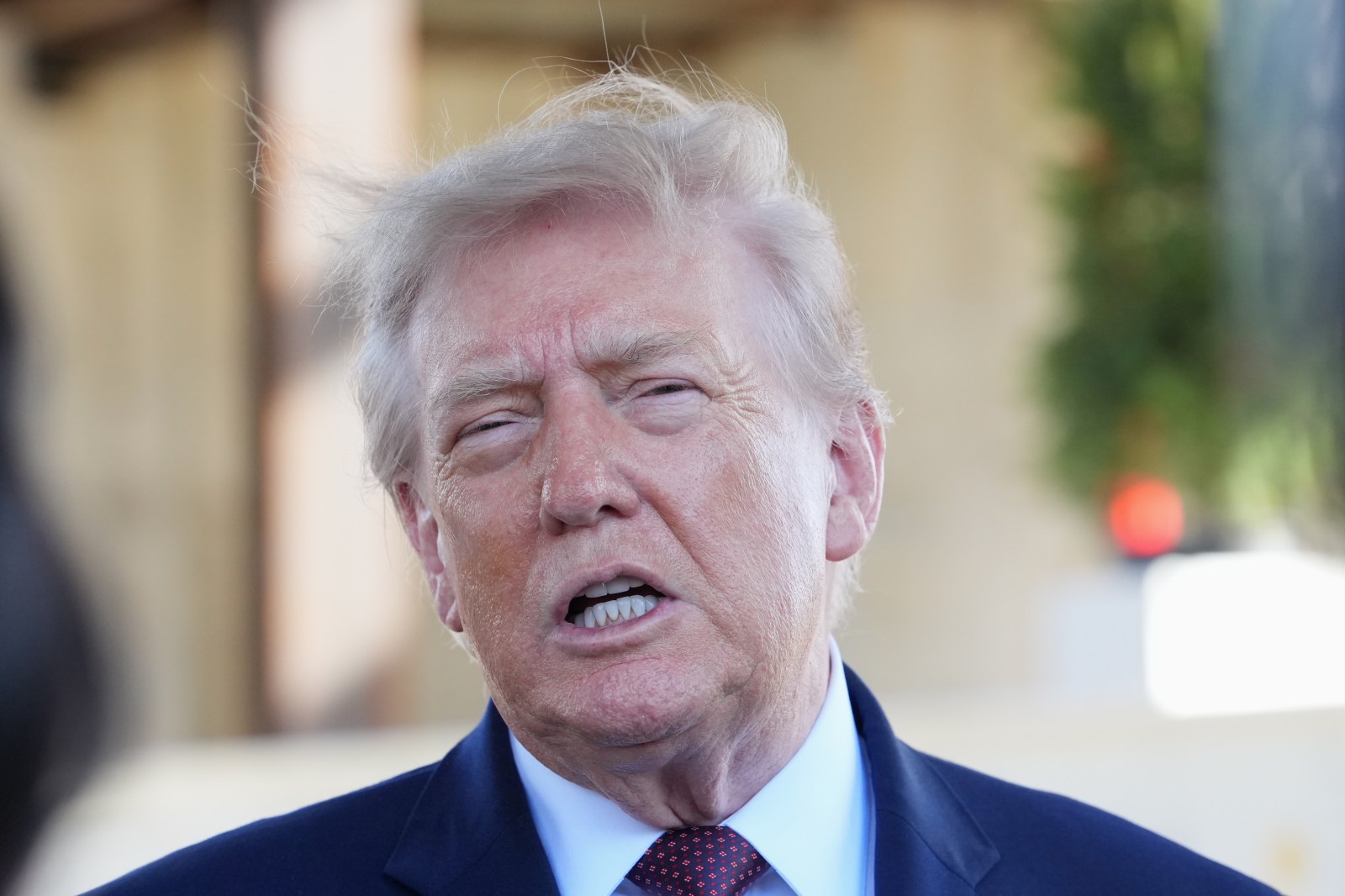
President Donald Trump explained his reasons for not making daylight saving time a major political issue before the midterm elections. He stated that he was concerned about potential losses for certain Republican senators. In a Truth Social post, Trump criticized the Senate for not approving the Sunshine Protection Act, which aims to make daylight saving time permanent across most of the U.S. Trump expressed frustration over the early sunsets following the recent clock change.
“Too bad the Senate has not yet approved the Sunshine Protection Act or, the I Don’t Want to Change My Clocks Anymore Act,” Trump wrote. “It’s so dark outside, so early (Sunset was 5:06 P.M., and it was dark by 5:31 P.M. Isn’t that ridiculous?). Just a few days ago it was sunny at this time.” Trump clarified that he didn’t push the issue aggressively to avoid affecting the elections, although he didn’t name specific senators he thought could lose.
Democrats saw significant gains in the midterm elections, shifting control of Congress. Trump promised to continue pushing for the legislation, despite prioritizing other issues.
When Did Daylight Saving Time End?
Daylight saving time ended in the United States on November 1, with clocks turned back an hour. This marked the return to standard time and resulted in earlier sunsets. According to federal law, daylight saving time begins on the second Sunday in March and ends on the first Sunday in November.
The practice is not observed in Hawaii, most of Arizona, and U.S. territories like Puerto Rico, Guam, and the U.S. Virgin Islands. The clock changes continue to be a topic of debate due to the disruptions they cause.
What Is the Sunshine Protection Act?
The Sunshine Protection Act aims to make daylight saving time permanent, eliminating the need to adjust clocks in March and November. The legislation has bipartisan support in Congress, but disagreements over its effects have prevented it from becoming law. Republican Representative Vern Buchanan introduced the current version in January 2025. The House passed the measure in 2026, but the Senate has not advanced it further.
Trump has repeatedly encouraged lawmakers to act, advocating for the benefits of more daylight in the evening.
Will Daylight Saving Time End Permanently?
The continuation of daylight saving time depends on congressional action. The Senate approved an earlier version of the Sunshine Protection Act, but it didn’t become law as the House failed to pass it. Trump’s support remains strong, but he faces a deadline as Democrats take control of Congress. Support for the legislation exists, though Democrats are not united on the issue.
What Has Donald Trump Said About Daylight Saving Time?
Trump has consistently supported making daylight saving time permanent. He has criticized the Senate for delaying the legislation, singling out Senator Tom Cotton for his opposition. Trump urged residents to pressure Cotton to support the bill, arguing that more daylight would benefit outdoor activities. Tom Cotton has responded by emphasizing the need for safety for schoolchildren.
Trump also highlighted support from PGA Tour CEO Brian Rolapp, who believes additional daylight would benefit professional golf.
Which Agencies Oversee Daylight Saving Time Regulations?
The U.S. Department of Transportation (DOT) manages the nation’s time zones and ensures observance of daylight saving time. However, the DOT cannot independently abolish or make daylight saving time permanent, a decision requiring congressional action.
The National Institute of Standards and Technology (NIST) maintains official U.S. time references and provides information about daylight saving time rules. Under current law, states can opt out of daylight saving time but cannot choose permanent daylight saving time without congressional changes.