Republican Reevaluation: Coalition Politics and Election Reflections
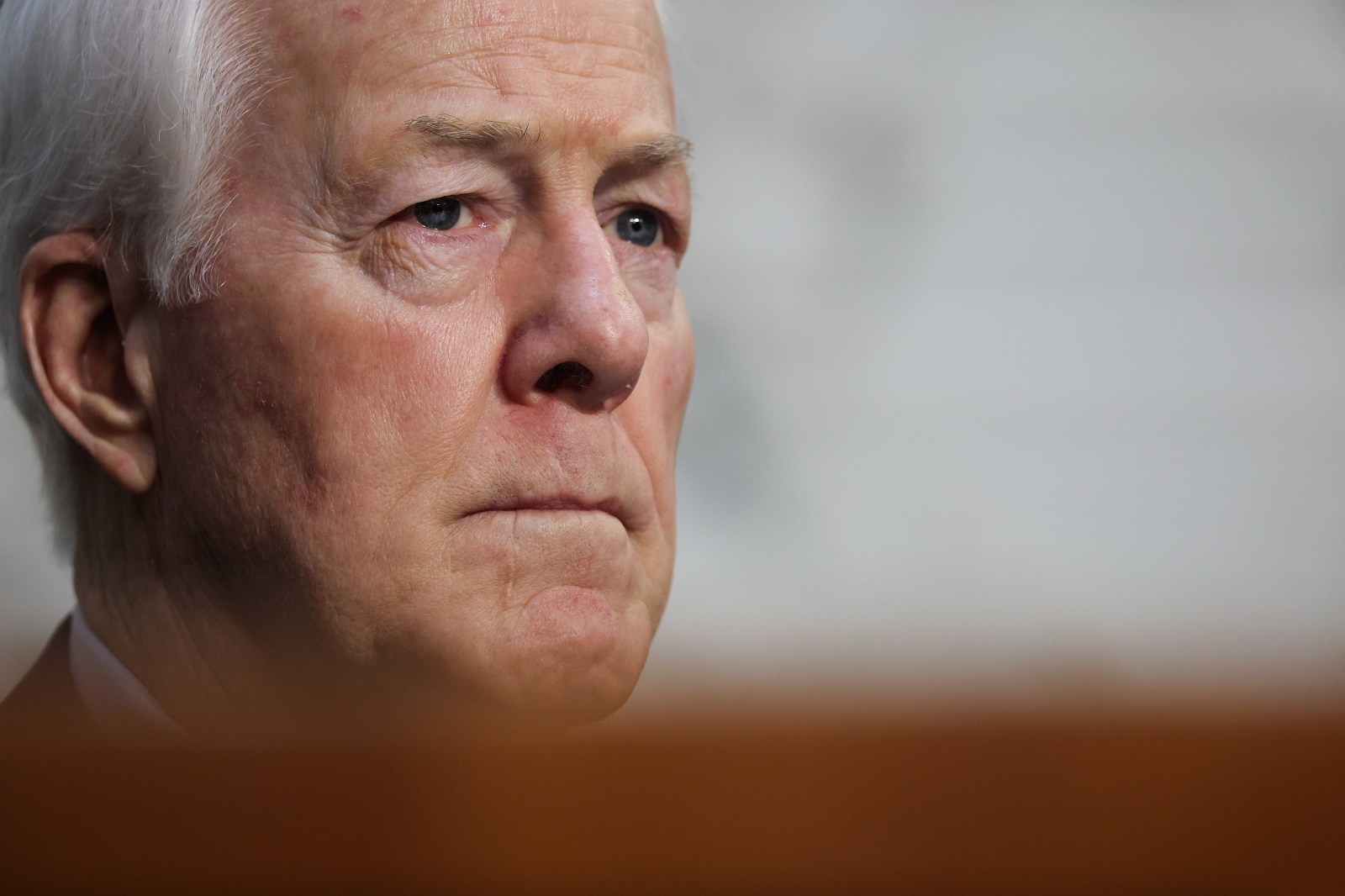
Outgoing Republican Senator John Cornyn from Texas highlighted key mistakes the party made before the midterm elections. Writing in an op-ed for the Wall Street Journal, Cornyn stated the GOP ignored vital coalition politics fundamentals. According to him, effective coalitions should grow, and candidates must display likability, keep promises, and uphold integrity.
The Republican Party faced significant losses, losing control of both the House and Senate. Despite President Donald Trump’s assertion he would have secured a landslide victory if on the ballot, the results depicted a different scenario.
In Texas, Republicans suffered substantial losses. Republican Attorney General Ken Paxton lost to Democrat James Talarico in the U.S. Senate race. Additionally, Incumbent Governor Greg Abbott was defeated by Democrat Gina Hinojosa in the governor race.
Midterm elections often test the political climate for the ruling party, with historical trends showing losses for the president’s party. Despite Trump winning Texas in the 2024 presidential election against Kamala Harris, the midterms brought unwelcome results for Republicans.
Cornyn’s Analysis
As Republicans regroup, Cornyn, not backed by Trump during his re-election, shared his insights. He noted that part of the 2024 successes in Republican elections was capturing support from men, Hispanics, and Black voters. He explained that instead of expanding, losing candidates like Ken Paxton and Mike Collins narrowed the party focus, concentrating on ‘RINOs’ and theatrics.
Candidates expressing disdain for constituents and seeking a smaller party causes voters to realign, Cornyn explained. He condemned candidate Bo French’s remarks, describing them as discriminatory and harmful.
The Need for Likability
Cornyn stressed candidate likability, contrasting the past appeal of politicians like Marco Rubio, who challenged establishment figures. Today, fringe candidates engaging in performative politics populate the scene. Cornyn critiqued the trend where bizarre behavior is equated with authenticity, undermining reasonable candidates.
Keeping Promises
Meeting campaign promises is crucial, according to Cornyn. He referenced Joe Biden’s policies on immigration and economy that led voters to trust Trump over Harris and the Democrats. Voters criticized Trump’s missed opportunities, especially in tariffs, immigration enforcement, and Iran relations, despite wins in tax cuts and energy policy.
Integrity and Character
Cornyn pointed out the importance of integrity and character, using Texas as an example. Voters faced a choice between policy or character, an unfair dilemma leading to Republican challenges, he said.
Cornyn concluded with optimism, emphasizing the need for a competent, inclusive party addressing Americans’ concerns.
Additional Perspectives
Renee Cross, of the University of Houston’s Hobby School of Public Affairs, indicated several factors affecting Texas races. Federal government disapproval, particularly towards Trump, contributed significantly.
Cross noted Trump’s Iran policy, tariffs, and broad deportation efforts as key issues, with Paxton’s scandals hurting his campaign efforts, despite substantial late financial support. The Democratic gains featured charismatic candidates like James Talarico, who avoided the controversies surrounding their Republican opponents.
Latino disillusionment with Trump’s immigration policies and shifting demographics also influenced results.
Republican Reactions
Trump acknowledged the potential impact of his Iran policy on the losses. Vice President JD Vance shared reasons for their defeat, stressing economic concerns and geopolitical priorities.
Governor Ron DeSantis described the election results as highly detrimental. Ted Cruz likened the Democrat victories to a ‘blue tsunami,’ emphasizing the significant repercussions in Texas.