Keeping Your Identity Safe in the Age of High-Resolution Cameras
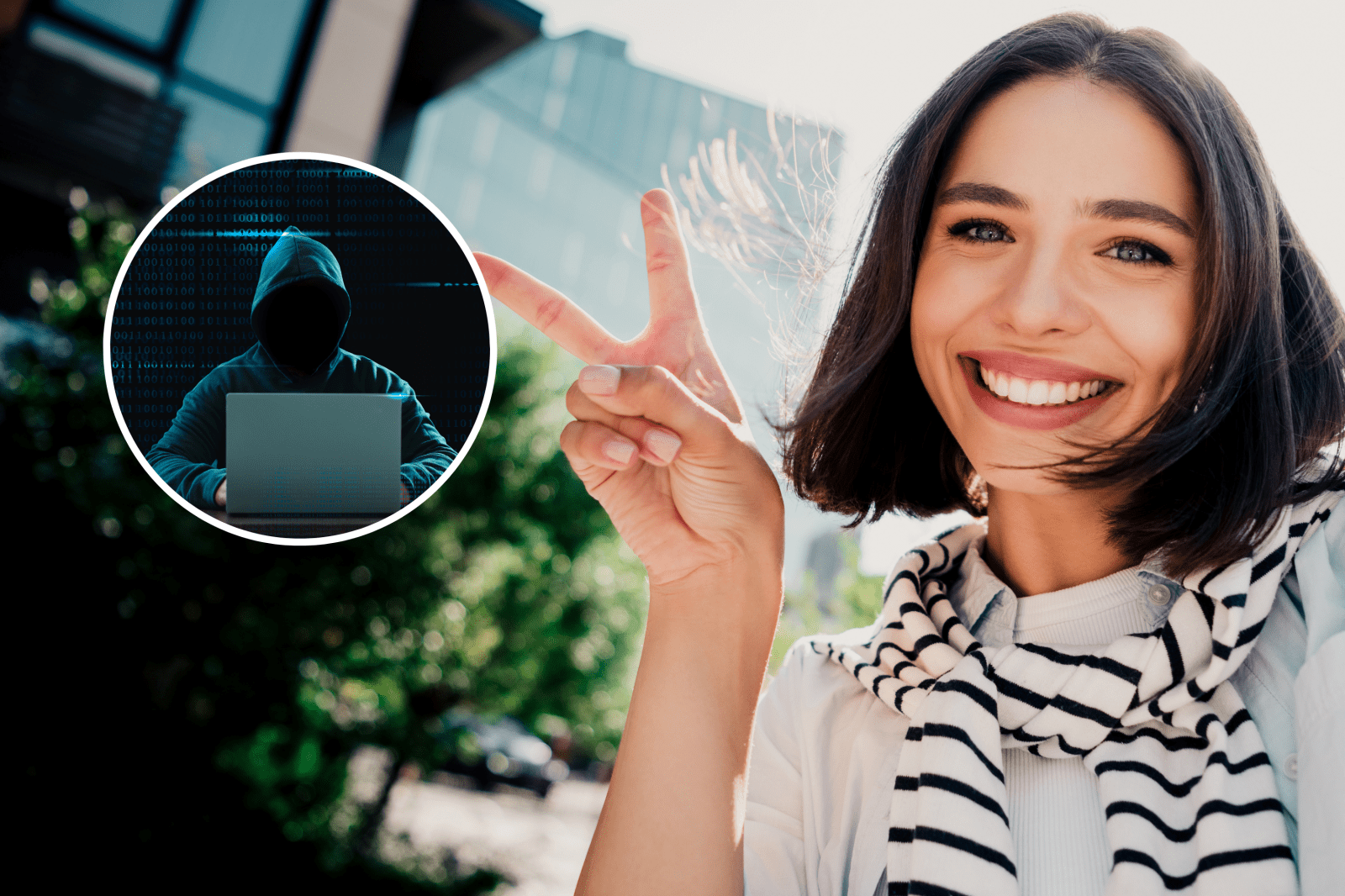
Social media platforms like TikTok and Instagram host millions of glossy images daily. Many users take these pictures with the latest smartphones from brands like Apple, Samsung, and Google. These cameras offer advanced settings that produce high-resolution images and videos. Despite their benefits, such advanced technology allows images to be manipulated by malicious individuals.
The Risk of Fingerprint Theft
Imagine taking a simple selfie holding a brand-new smartphone. The high-resolution image shared on social media could inadvertently reveal a detailed map of your fingerprints. Bryan Lopez, a cybersecurity and AI expert at Microsoft, told Newsweek that high-resolution cameras can capture detailed fingerprint patterns. AI-assisted tools make it easier for malicious actors to create biometric templates from social media photos.
The threat is real, underappreciated, and accelerating,said Lopez.
The risk goes beyond fingerprints. AI has increased the potential threat to biometrics. Voice cloning tools can now mimic voices using short audio clips. These clips are often found in online vlogs, reels, and podcasts. Such synthetic voices are used to bypass voice authentication and attack individuals and organizations. Lopez warns about deepfakes, where a few public images can create fake videos or imagery showing someone doing or saying things they never did. This can lead to severe consequences like reputational damage, identity fraud, or extortion.
The invisible nature of these threats makes them especially dangerous. Casual gestures like a peace sign or holding a phone don’t seem like security risks. But with modern resolutions and AI tools, they can create vulnerabilities.
Escalating Cybercrime
Cybercrime is growing significantly. In 2024, the FBI recorded 859,532 cybercrime complaints, with losses over $16 billion. Phishing alone accounted for 3.4 billion malicious emails daily.
The problem with biometrics is they are irreplaceable, unlike passwords. Lopez points out that if your biometrics fall into the wrong hands, the exposure is permanent. With AI lowering the barrier for attackers, the threat becomes more pressing. Bojan Simic, CEO of identity verification firm HYPR, states that the authentication landscape is changing. He suggests not relying on a single authentication factor, as it’s risky in an age of AI-enhanced data and complex cyber threats.
Protecting Your Identity
Simic recommends using passkey-based authentication. This method pairs biometrics with device-bound cryptographic credentials instead of solely relying on fingerprints or facial scans. This is crucial since biometric identifiers cannot be changed if compromised.
Lopez advises practical measures for safety:
- Keep social media privacy settings strict but recognize they are not foolproof.
- Lock your accounts to followers only, reducing exposure.
- Disable location metadata on photos.
- Avoid posting high-resolution close-ups of hands and faces.
- Limit content where your voice is isolated.
These steps limit data available to AI tools. Effective behavioral awareness and deliberate privacy practices offer the most reliable protection. As technology advances, these practices can minimize exposure.