Trump’s Strategic Moves at APEC Summit: Friendships with Xi and Putin
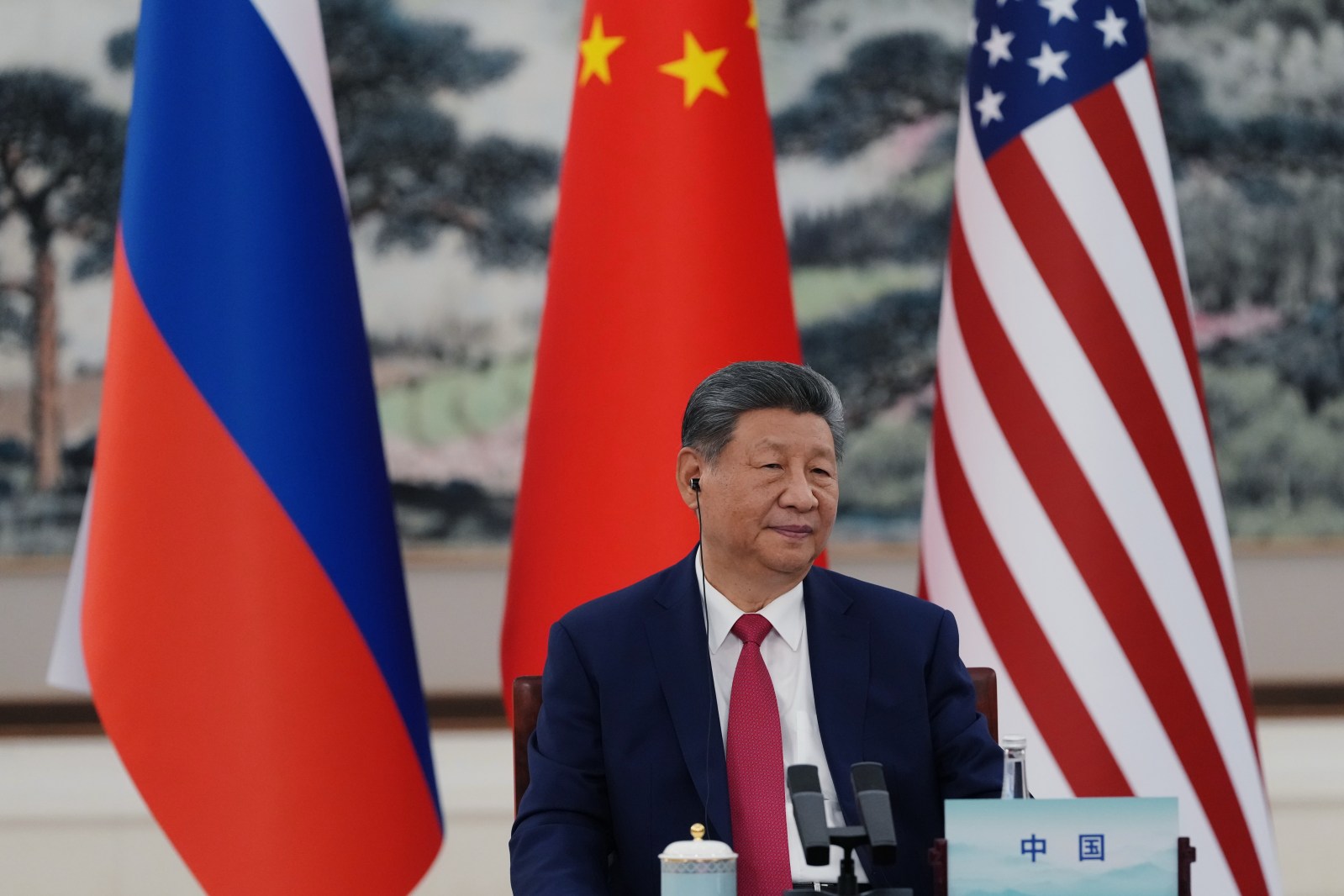
Many Republicans expressed disapproval of the scenes from the Asia-Pacific Economic Cooperation (APEC) summit in China. Donald Trump emphasized his alliances with Xi Jinping and Vladimir Putin. Democrats might use these images to criticize Trump in his last years in office. Both parties should note that Trump seems indifferent to their concerns.
In Shenzhen, TV footage showed Xi greeting Trump with a hug. Trump assisted Xi on an escalator, showing mutual exclusivity in their interactions. Hard-liners in the U.S. questioned Trump’s decision to let Xi take a prominent position in a group photo. Trump also appeared enthusiastic before talking with Putin.
Trump aims to shape his presidential legacy. He values the symbolic aspects of political interactions over traditional conduct. “President Xi and I have an outstanding personal relationship,” Trump said, mentioning mixed reactions from the public. Xi agreed with Trump’s remarks without hesitation.
Marco Rubio, Secretary of State and Trump’s national security adviser, showed no reaction to the situation. Chinese officials prevented a Bloomberg journalist from entering a conference room due to a question directed at Trump. Trump did not address the issue as it conflicted with the event’s arrangement.
Prior to this, Trump commended China’s organization of the summit, noting each step as flawlessly executed. This event signaled Trump’s unwillingness to conform to American expectations amidst ongoing political and economic tensions with China.
Jennifer Kavanagh, a senior analyst at Defense Priorities, stated that meetings rich in symbolism promote strategic stability among powerful nations. She praised Trump for initiating dialogue rather than criticism, noting its role in fostering stability.
During his presidency, Trump has altered Putin’s global image despite past conflicts. Trump’s most significant impact might be in assisting Xi during times of Western pressure. Xi has capitalized on Russia’s economic struggles, altering the historically imbalanced China-Russia relationship. The Kremlin might find this difficult, considering their past mentorship of Chinese communists.
Beijing now holds significant influence, with Putin in a diminishing role. Trump’s focus on U.S.-China collaboration hints at his vision of a U.S.-China global leadership.
Though some Americans’ views on China improve, Trump’s closeness to Xi remains controversial. Trump believes he adjusted U.S.-China economic ties which he considered unfair. He credited their trade agreement for benefitting American farmers. To facilitate this, Trump minimized attention to China’s support for Iran and alleged espionage.
Xi offered Trump concessions, seating him prominently at APEC events and endorsing nuclear disarmament amid China’s nuclear expansion. Despite unorthodox methods, Trump, aware of Democratic challenges, contends he has corrected imbalances with China.
Ryan Hass from Brookings Institution anticipates more challenges in U.S.-China relations by 2027. He cited congressional influence and limited summits as future issues. Observing these dynamics, Trump continues to pursue his vision of global stability, seemingly unfazed by pressures from political opponents.
Trump seems determined to achieve his vision of peace between great powers, regardless of political consequences. Echoing Barack Obama’s statement in 2015, Trump appears to pursue his agenda without concern for political campaigns.