ICJ Rules Myanmar Committed Genocide Against Rohingya
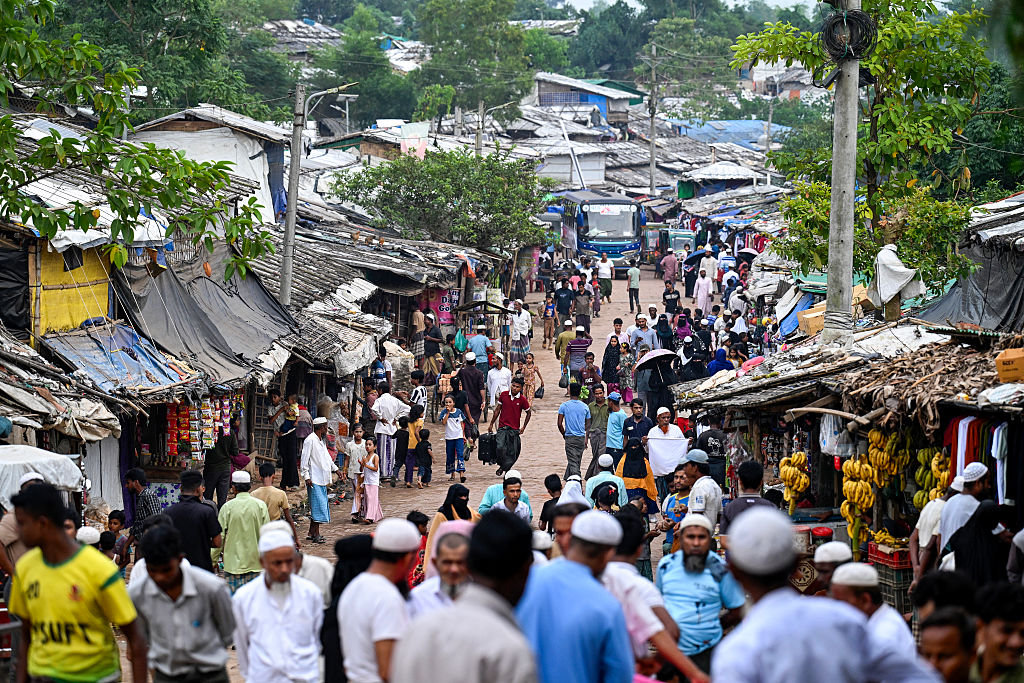
The International Court of Justice (ICJ) has ruled that Myanmar committed genocide against the Rohingya Muslim minority. Over a million Rohingya remain displaced. This decision, announced on Thursday, marks the first time a state has been held accountable for genocide by the ICJ, an institution established in 1945.
During a military campaign in 2017, Myanmar forces killed at least 10,000 people, including up to 2,109 children under five. More than 700,000 people were forced to flee from the country’s northern Rakhine State.
Professor Melanie O’Brien from the University of Western Australia Law School emphasized that this landmark ruling may impact future legal cases under the 1948 Genocide Convention. It could also affect South Africa’s pending case against Israel, which accuses Israel of committing genocide in Gaza.
A representative from Myanmar’s government labeled the ruling as “unfair.” Six out of 15 judges dissented, and Myanmar has yet to state whether it will comply with the decision.
The National Unity Government, a faction formed after Myanmar’s 2021 military coup, acknowledged the ICJ’s judgement. For the Rohingya community, this ruling is a formal recognition by a top court that they endured genocide.
Historic First in Genocide Rulings
This case represents the first instance where the ICJ has found a state guilty of genocide. Previous cases related to the Yugoslav wars, like Bosnia against Serbia and Croatia against Serbia, reached different conclusions or did not find sufficient evidence for state culpability.
Marko Milanovic, a professor at the University of Reading, noted that while the ICJ has not altered the legal definition of genocide, it has become more adaptable in its use of evidence to establish genocidal intent.
Next Steps for Myanmar
The court has directed Myanmar to ensure the safe return of the Rohingya and to prosecute those responsible for genocide. Myanmar must report progress in two years. If restitution isn’t achieved, financial reparations will be calculated. Yet, doubts remain regarding Myanmar’s compliance with the binding ruling.
If Myanmar fails to honor the ruling, The Gambia can seek United Nations Security Council intervention. However, China’s veto power complicates this path due to its friendly ties with Myanmar.
External pressure, like diplomatic actions or sanctions, is possible. The UK has already expelled Myanmar’s defense attaché and requested a U.N. Security Council meeting. The Association of Southeast Asian Nations (ASEAN) may support enforcing the ruling.
The International Criminal Court’s prosecutor also seeks an arrest warrant for Min Aung Hlaing by 2024, which could influence ongoing investigations.
Long-term Challenges
More than a million Rohingya remain refugees in Bangladesh, primarily residing in camps in Cox’s Bazar. Many hope to return home, but their former villages and homes were largely destroyed. The prolonged culture of discrimination and hostility against Rohingya presents additional obstacles.
Restitution aims to restore previous conditions for victims, but many have lost family members and endured severe violence, making complete restoration impossible.
Implications for Israel’s Genocide Case
The focus now shifts to South Africa’s genocide allegation against Israel, which involves a broader pattern of conduct being used as potential evidence of genocidal intent.
Israel argues its military actions were self-defense following attacks from Hamas, which killed over 1,200 people and led to numerous hostages taken. However, U.N. reports have detailed systematic violations by Israeli forces, including alleged sexual violence and destruction of property.
Similar to the Myanmar case, the ICJ noted the targeting of children as significantly undermining a group’s survival. Over 20,000 Palestinian children have reportedly died in the conflict since October 2023.
South Africa may leverage the ICJ’s recent decision to argue that the deaths of children indicate genocidal intent. Israel contests these allegations, emphasizing that collateral damage can occur when targeting military objectives in urban areas.
Vincent-Joël Proulx, a former adviser to the ICJ, warned that while no precedent exists in international law to bind future rulings, this decision is telling. William Schabas, another international law expert, suggested that the findings provide significant insights that could influence Israel’s case.