How to Prepare a Cost-Effective Emergency Go Bag
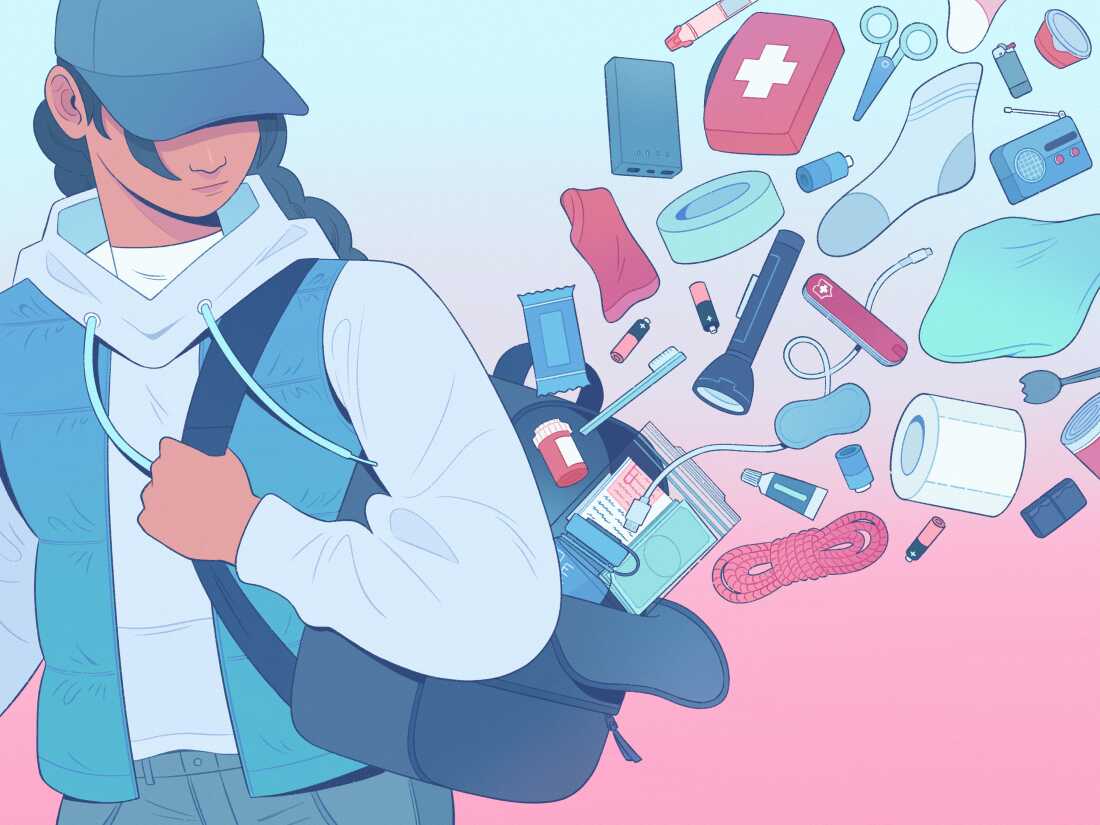
Alyssa Provencio, an expert in emergency management, suggests you don’t need to spend hundreds to be prepared. Find batteries and candles in your junk drawer, buy used gear like a headlamp, and save on nonperishable food by buying in bulk.
Preparing an emergency go bag can feel daunting. It involves knowing what to pack and dealing with costs that can add up quickly. A 2023 FEMA survey showed only about half of Americans have updated emergency supplies, with those from disadvantaged backgrounds less likely to be prepared.
Provencio, a professor at the University of Central Oklahoma, advises building your kit gradually. Buy used supplies and start with items you already have. This approach suits both time and budget constraints.
Go Bag Essentials: Tips for Saving Money and Effort
The American Red Cross and Ready.gov offer lists of recommended items. If cost concerns you, remember “something is better than nothing,” as Provencio says. She and Jonathan Sury from the National Center for Disaster Preparedness at Columbia Climate School provide essential items and budget tips.
- A durable bag: It should hold food and supplies but be light for a possible evacuation. Wheels and straps help. An old duffel or tote bag works fine.
- Water supply: Aim for a gallon per person per day for three days. If weight is an issue, pack what you can carry.
- Food for three days: Choose light, calorie-dense options like granola bars and peanut butter. Buy in bulk or add a couple of items each paycheck.
- Personal essentials: Include items essential to you, such as medication or personal comforts. Think of it as packing for a weekend trip, not a disaster movie scenario.
- Basic first-aid kit: Combine bandages, gauze, and antiseptics. Creating your own is cheaper than a premade kit.
- Important documents: Photocopy insurance papers and personal documents. Use a zip-close bag to prevent water damage. Digital backups on a flash drive or cloud are helpful.
- Emergency tools: Fill your bag with a multi-tool, paracord, duct tape, flashlight, and fire-starting items. Used headlamps and flashlights can often be found online or at yard sales.
- Hygiene products: Wet wipes, toothbrush, toothpaste, and sanitary items are useful if you’re temporarily displaced.
- Power bank: Keep a power bank charged to make emergency calls.
- Emergency cash: Carry enough to cover necessities like gas and a day’s food.
Once packed, maintain your bag. Check food expiry and replace used supplies. Having an emergency plan is crucial. Know evacuation routes, and identify meeting points. Mentally preparing for scenarios can improve response time and confidence.