Aryna Sabalenka’s Journey Through Grand Slam Challenges
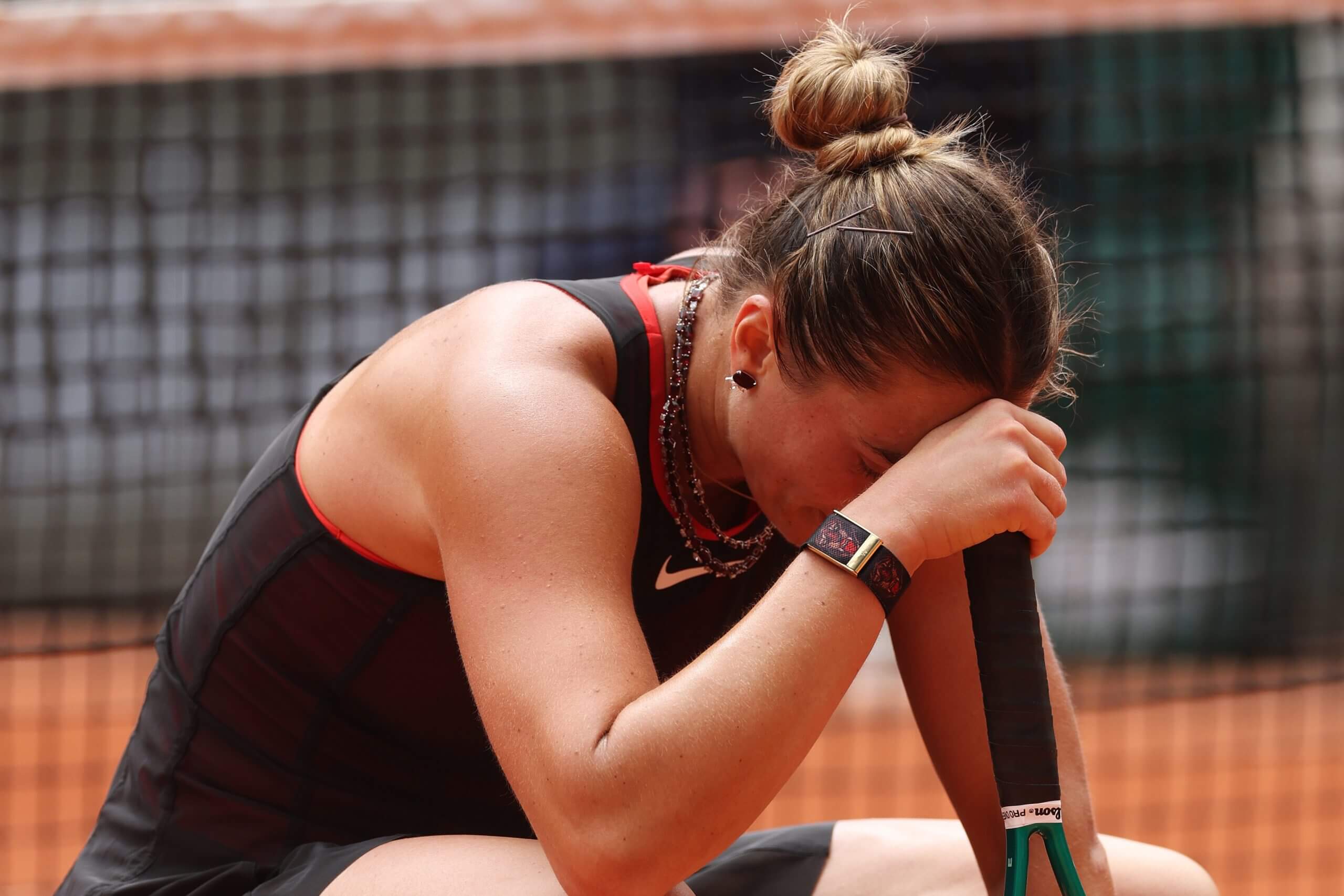
Aryna Sabalenka and her team have become familiar with navigating setbacks in Grand Slam tournaments. Following her dramatic defeat to Diana Shnaider at the French Open, Sabalenka and her team faced the routine of reflection and reconfiguration.
After a heartbreaking loss where she was close to winning the quarterfinal, she expressed her frustrations in a press conference. Despite her feelings of wanting to quit tennis, Sabalenka knew there was no time for that. With Wimbledon only a few weeks away, she and her team, including her mental and physical performance coach Jason Stacy, had to regroup.
Stacy reminds Sabalenka and her team that these occurrences were once more frequent in her career. “It’s less common now,” he explains. The team, including Anton Dubrov, her main coach, and Helen Murawska, her physiotherapist, gathered to analyze the loss. They discussed what went wrong and how to prevent similar situations in the future.
You have to find a way to apply the things that you believe will help them, but in a way that makes sense to them, that connects with who they are, so that way it’s theirs.
Sabalenka takes her responsibility seriously, acknowledging that her improvement has come from creating a supportive environment where she feels safe to express her frustrations. This approach lays the foundation for her resilience and growth.
In her first match back at Wimbledon following this routine, Sabalenka secured an efficient win. This momentary victory was a testament to her ability to reset and focus on the next challenge. Her mental discipline was evident as she played McCartney Kessler in the second round after an initial win against Teodora Kostović.
Stacy, who initially engaged in sports through martial arts, shared a valuable lesson with Sabalenka: loyalty breeds trust, and trust leads to freedom. This principle helps Sabalenka remain steadfast in her goals without giving in to shortcuts.
Despite the ups and downs of the tennis circuit, Sabalenka continues to deal with losses, particularly in finals. She acknowledges her struggles against top competitors like Coco Gauff and Madison Keys, yet she remains committed to improving her game. Her losses are often catalysts for reflection and growth rather than setbacks.
Sabalenka’s journey signifies the challenges of maintaining consistency in sports. With ongoing support from her team, including Masters player Max Mirnyi, and her reliance on trusted techniques, she remains optimistic about her future Grand Slam performances.
Injuries, particularly with her hip and back, pose challenges that she and her team manage carefully. These physical issues partly dictate her playing conditions on various surfaces, such as clay and grass, which demand different adjustments.
Ultimately, Sabalenka’s team believes in the potential for further success. Their established cohesion and experience help them navigate the inevitable challenges of professional tennis.