2026 World Cup Insights and Guide
The 2026 World Cup has arrived, launching in North America this Thursday. It promises to be the most-viewed sports event ever, attracting millions of fans worldwide, particularly aiming to expand soccer’s audience in the U.S., where the sport is gaining popularity but hasn’t yet reached dominance. This guide offers insights into the tournament, from beginner questions about the basics of the sport to complex details like team tactics, tournament politics, ticketing, and more.
Beginners’ World Cup Questions
What is the World Cup? It is a global soccer tournament featuring the best men’s national teams every four years. This year sees it expanded to 48 teams from 32, intended to strengthen soccer worldwide.
When does it start and how long does it take? The tournament begins at Estadio Azteca in Mexico City, with Mexico playing South Africa. It includes 39 days of soccer, concluding with the final on July 19 at MetLife Stadium, New Jersey.
How big is the World Cup? FIFA reported 1.42 billion viewers for the 2022 final, with a total global viewership of 5 billion. It’s second to only the Olympic Games in global sports viewership.
Why is it held every four years? This schedule allows time for qualifiers and continental competitions, keeping the event rare and special.
Soccer or football? It’s football globally, soccer in the U.S. and Canada. Both are correct contextually.
How long does a game last? Matches are 90 minutes long, in two 45-minute halves, with additional time for stoppages. Extra time and penalties are used in knockouts.
Key soccer terms: Positions: goalkeepers, defenders, midfielders, forwards. Formations like 4-3-3, 4-4-2. Referees monitor offsides and other rules.
The On-field Action
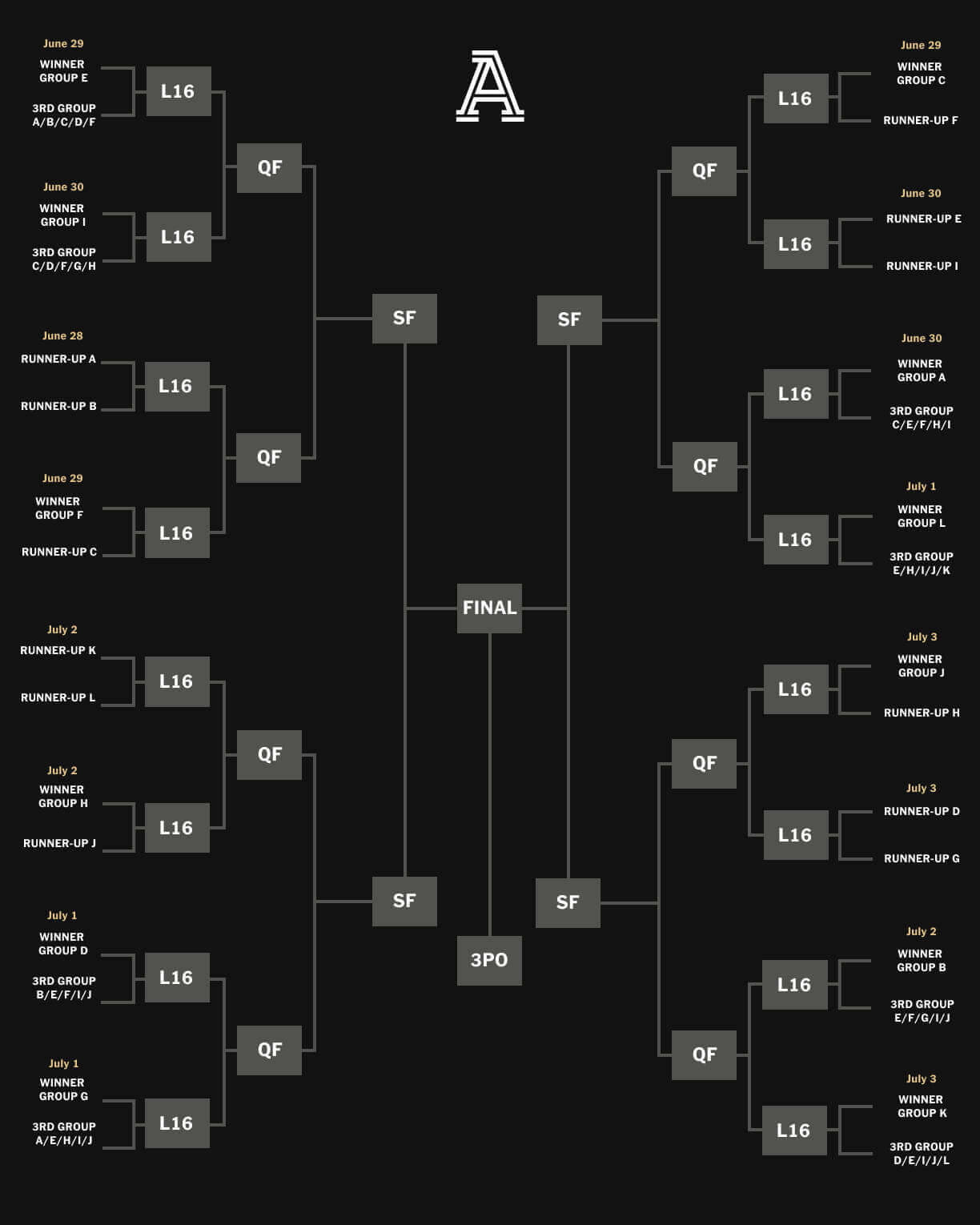
Group Stages: Teams are in 12 groups of four; the top two from each, plus the best eight third-placed teams, advance to knockouts.
Favorites: Spain, France, Argentina, Brazil, and England are likely contenders. Spain, with young talent like Lamine Yamal, is favored.
New teams and players: Cape Verde, Curacao, Uzbekistan, and Jordan debut. Watch for stars like France’s Kylian Mbappe and Spain’s up-and-comer Lamine Yamal.
Off-field Organization
Host Nations: The event spans the U.S., Canada, and Mexico, chosen for the infrastructure to support 48 teams.
Environmental Concerns: FIFA outlines strategies intending to mitigate the tournament’s carbon footprint.
Travel: Teams will travel extensively across the host countries, with efforts to minimize cross-country trips.
Tickets and Cost
Ticket Availability: While official sales have closed, tickets are available via resale platforms. Prices are significantly higher than past tournaments, stirring controversy.
Market Comparisons: Prices resemble U.S. professional sports tickets but stand out compared to global soccer events.
Politics
Political Dynamics: President Trump played a role in securing the World Cup, and his administration is involved in tournament logistics and security planning.
Challenges: U.S. political relations with co-hosts, travel bans affecting certain country participants, and visa issues arose.
Media, Entertainment, and Prize Money
Media Coverage: U.S. viewers can watch on Fox Sports, while social media platforms and TikTok provide additional coverage.
Prize Money Distribution: FIFA’s financial package includes $871 million, with $50 million for the winners.
The U.S. Team
Team Prospects: Coached by Mauricio Pochettino, the U.S. aims to make it beyond the group stage, with key players like Christian Pulisic in focus.
Expectation: Progressing past the group stage is essential; any success beyond is a major achievement.
The tournament promises to be an all-encompassing spectacle, showcasing global talent, cultural diversity, and intense competition across multiple venues in North America.