Vision for Restoring New York’s Penn Station Revealed
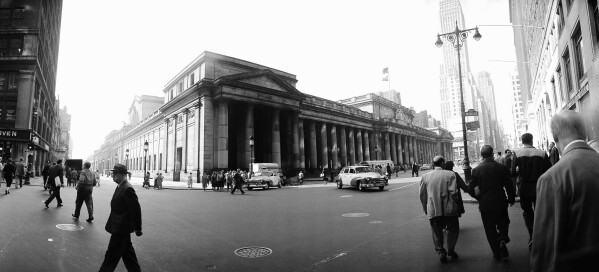
The demolition of Manhattan’s original Pennsylvania Station in 1963 marked the loss of a significant American public work. The station, once a Beaux-Arts masterpiece with Roman-style columns and a vast central waiting area, was replaced by Madison Square Garden in 1968. Since then, commuters have navigated gloomy, low-ceilinged corridors as they travel through the city’s primary transit hub.
Architectural historian Vincent Scully’s remarks highlighted the contrasting experiences of entering the city through the original station compared to the current setup. However, a new design proposal aims to restore the station’s early 20th-century grandeur. Renderings depict a stone facade with prominent columns and a sunlit concourse featuring ceilings over 50 feet high. These designs include ornate details such as bronze finishes, bas-reliefs of the city’s skyline, and a large station clock.
Amtrak, along with Penn Transformation Partners, released these renderings. The design consortium has taken inspiration from the city’s historical landmarks such as Grand Central Terminal, the Empire State Building, and Rockefeller Center.
Lead architect Vishaan Chakrabarti emphasized the intent to recapture the station’s original craftsmanship, noting the importance of ornamentation and decoration. The project is estimated to cost $8 billion, with construction slated to begin by 2027. The station will remain operational throughout the phased redevelopment, anticipated to span approximately six years.
Penn Station accommodates over 600,000 commuters daily, surpassing the combined traffic of the city’s major airports: JFK, LaGuardia, and Newark Liberty. Despite proposals to relocate Madison Square Garden over the years, the current plan will keep it at the site, though a theater above the tracks will be removed. Negotiations regarding this aspect of the project are ongoing, involving MSG’s owner and the developers.
Andy Byford, a former subway chief, has been appointed as a special adviser to oversee the redevelopment. Despite transit advocates expressing concerns about transparency, plans will be further detailed, including cost estimates and environmental considerations. No fare increases are planned, and the government will not condemn properties to expand the station.
Public opinion on the project is mixed. Some commuters, like John Schoen, support the redesign, citing the need for modernization. Others, like James Culhane, express concern about potential disruptions and suggest that funds might be better used elsewhere.
As more details unfold, the dialogue between developers, transit authorities, and the public will shape the future of this historic transit hub.