Study Reveals Shared Brain Processing for Bilingual Speakers
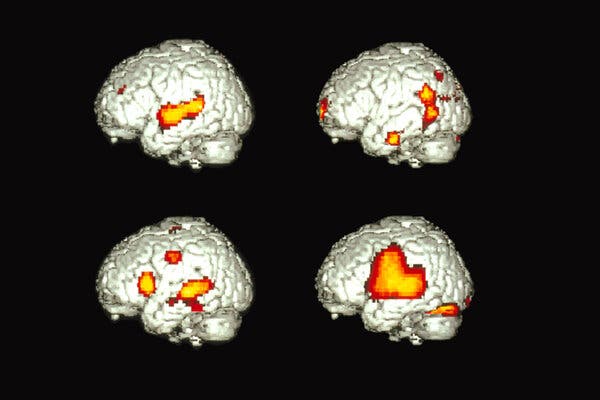
A recent study on bilingual speakers has led to insights about how the brain processes multiple languages. Researchers discovered that a single ‘grammatical engine’ in the brain can manage the grammatical rules of multiple languages simultaneously.
Traditional theories suggested that bilingual individuals processed different languages with distinct brain activity patterns. However, the study revealed that the brain activity in bilingual speakers is more similar than previously thought, particularly when forming plural or singular words.
Esti Blanco-Elorrieta, a psychologist and neuroscientist at New York University, co-authored the study published in JNeurosci. She stated, “It wasn’t obvious that it was going to be so shared. I think this is one of the first very fine-grained findings of how truly integrated two languages in the brain are.”
Early research characterized bilingualism as either an addition or disruption to the native language’s processing. Judith Kroll, a psycholinguist at the University of California, Irvine, pointed out this historical view, although she was not part of the study.
Later studies indicated physical differences in bilingual brains, including more efficient white matter and variations in gray matter. Bilingual individuals often perform better on tasks involving memory and concentration.