A Decade After Brexit: Mixed Feelings and Economic Challenges
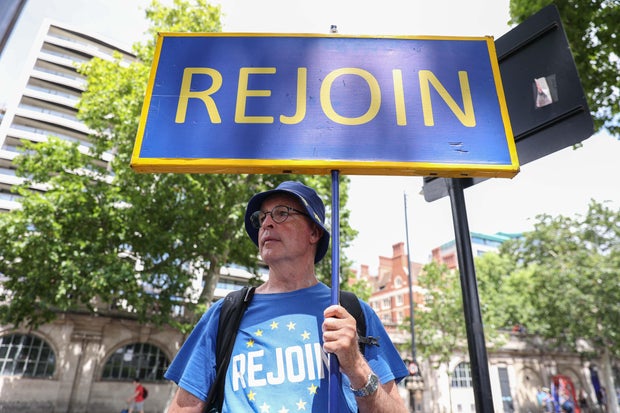
On June 23, 2026, a survey by YouGov indicated that most Britons now view the decision to leave the European Union as a mistake. The public referendum that led to Brexit occurred ten years ago. Many feel that the economic impact and the loss of freedom of movement have been detrimental.
A pro-EU campaigner remarked on the negative effects of Brexit, mentioning economic struggles and families being separated. Another source highlighted that Brexit has divided Britain without positive outcomes. Demonstrators gathered in London to urge the UK to consider rejoining the EU on the anniversary of the referendum.
Britain has experienced political instability since the referendum, having seven prime ministers over the decade. The economic challenges, including a 6% decline as a result of Brexit, have been intensified by global events such as the COVID-19 pandemic and conflicts in Ukraine and the Middle East. The Office for Budgetary Responsibility reported reductions in productivity, imports, and exports.
London Mayor Sadiq Khan, who supported remaining in the EU, expressed concerns over the adverse consequences of Brexit. Still, two-thirds of those who initially voted for Brexit continue to maintain their stance. Roughly 30% of Britons feel leaving the EU was the right move.
Nigel Farage, a key figure in advocating for Brexit and leader of the Reform UK party, asserts that Brexit was carried out correctly but poorly managed by subsequent UK governments. He criticizes the establishment for not fulfilling the public’s wish to leave the EU fully. Farage insists that Brexit provided a means for Britain to regain control of its borders, although the resulting labor shortages led former Prime Minister Boris Johnson to relax migration policies.
We’ve got to go forwards, embrace Brexit, embrace the opportunities that are there.
Simon Boyd, a pro-Brexit steel manufacturer, shares disappointment in how Brexit unfolded but emphasizes the need to embrace potential opportunities.
The idea of another referendum is daunting for many. The leave campaign narrowly won in 2016 with 51.9% of the vote. Demographic shifts, as noted by pollster Peter Kellner, may influence future perspectives. Many older voters who supported Brexit have since passed away, with younger generations now eligible to vote showing more pro-EU tendencies.
A recent poll by More in Common suggests three-fifths of Gen Z desire another referendum on EU membership. Over half of the respondents want the UK to rejoin the EU in some capacity.
Despite shifts in public attitude, the enduring divisiveness of Brexit presents challenges. The Reform UK party has gained traction in recent elections, while many politicians avoid discussing another referendum. Andy Burnham, the likely next prime minister, envisions the UK rejoining the EU but acknowledges the current impracticality of revisiting those debates.