A Family’s Struggle at Dilley Detention Center
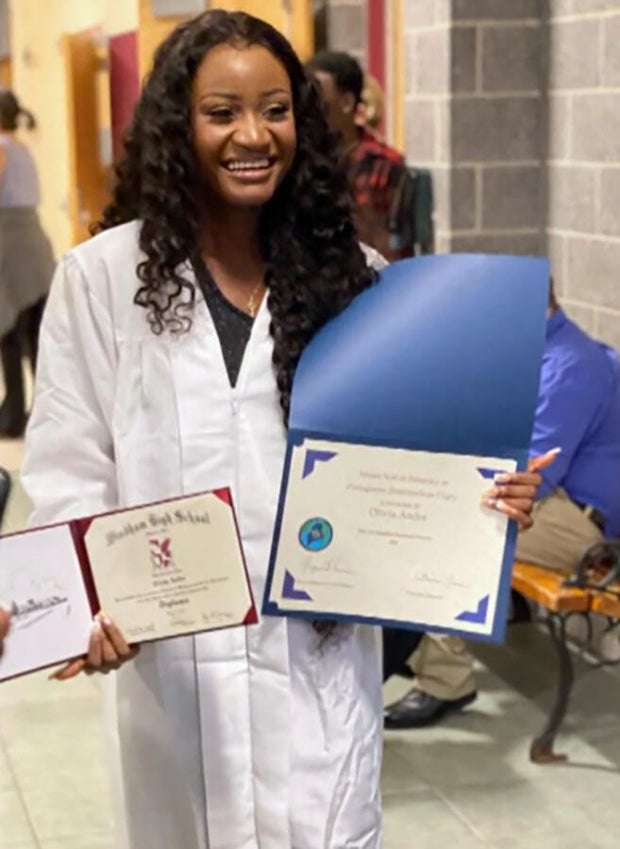
Joel Andre, a 17-year-old soccer enthusiast from the Democratic Republic of Congo, resides with his family near Portland, Maine. Despite the 2026 World Cup providing a welcome distraction, the family faces a challenging reality. Joel’s older sister, Olivia, is a 19-year-old asylum seeker still detained at the South Texas Family Residential Center in Dilley, Texas. Joel recalls their time at Dilley, asserting, “In Dilley was very hard, very hard, especially for kids.” During their detention, the family faced inadequate food and water conditions.
In November of the previous year, Joel, his siblings, and their mother, Carine, an activist, were detained in Texas. They fled the Congo to escape persecution due to Carine’s opposition to the government. Carine and her younger children were released in March, but Olivia remained in detention. Estafania, Joel’s younger sister, expressed hope for their reunion.
Elora Mukherjee, director of the Immigrants Rights Clinic at Columbia University, highlights the danger the family escaped. Upon arrival in the US in 2022, authorities deemed them a low risk and initially released them. Despite complying with all check-ins, they were ordered deported in February 2025. An unsuccessful attempt to reach Canada led to their detention at Dilley.
Mukherjee describes the center: “It is a series of trailers. Families report inadequate drinking water and poor food quality.”
According to Congressman Joaquin Castro, nearly half of the 6,300 children detained during President Trump’s second term were held at Dilley. Most of these were without criminal records.
Castro critiques the treatment of asylum-seekers: “It’s the only place I can think of in America where we imprison young children who have done absolutely nothing wrong.” He calls for Dilley’s closure, asserting the policy sends a message that asylum-seekers aren’t welcome.
Initially opened by President Obama in 2014 to hold families crossing the border illegally, the facility was shut by President Biden and reopened by President Trump in 2025. CoreCivic, a for-profit company, manages the center with a $180 million annual contract. They deny any substandard care allegations.
CoreCivic’s stance: “The conditions described do not reflect the operations, standards, or care provided at the facility.”
Joel’s family, detained for nearly four months, feels this violated the Flores Settlement, which mandates the prompt release of children. Despite Joel believing laws protected their rights, they’ve experienced otherwise. Though a federal court has rejected White House efforts to terminate Flores, the administration is appealing.
During a visit with Rep. Castro, families shared concerns about inadequate healthcare and education. However, reporters faced restrictions on documenting conditions. In an interview, Castro expressed surprise at the inability to adequately document the center’s conditions.
The Department of Homeland Security denies allegations of poor treatment, claiming high care standards in its detention centers. DHS’s recent budget proposal included increasing detention center capacities by 30,000 beds.
In a positive turn, Olivia’s release reunited the family in Maine. Despite this success, Rep. Castro views it as an exception rather than the norm. He emphasizes the need for transparency regarding the conditions at Dilley.