A Look Back at L.A.’s Iconic Department Stores
The Golden Age of Department Stores in L.A.
Growing up in Los Angeles, department stores were more than shopping destinations; they were symbols of social status. Each store catered to different classes, defined by what cars their shoppers preferred. May Co. was accessible during sales. Broadway was slightly upscale. Bullocks targeted those who drove Buicks and Lincolns. Robinson’s attracted Cadillac owners, while I. Magnin was for Mercedes and Rolls Royce enthusiasts.
My grandmother often window-shopped at these stores. To her, they represented the varying social strata of post-war Los Angeles. A trip to these stores offered a glimpse into aspirations and lifestyles different from her own. Even when she returned with only a perfume sample, the experience was valuable.
The Closing of a Chapter
Summer marked two decades since the demise of classic L.A. department stores. In 2006, the last Robinsons-May signs were removed, signaling the end of an era. Rob-May managed to outlast others like Bullock’s, Buffums, and Orbachs. Yet, it couldn’t compete with national competitors and shifting consumer habits favoring retailers such as Target and Kohls.
Today’s digital age makes it difficult to imagine the influence and prestige these stores once had. Their advertisements filled newspaper pages, showing a subtle hierarchy. Chains like May Co. and Broadway filled news sections with product photos. Upscale stores like Robinsons featured handcrafted sketches in the features sections.
More Than Shopping
Department stores originally opened huge emporiums in downtown L.A. As the city evolved, they adapted, anchoring suburban shopping malls. Their presence elevated a community’s status and sophistication.
Visiting these stores was more than shopping for my grandmother. Despite buying clothes at Fedco, she found joy in visiting upscale establishments. Bullock’s Wilshire tea room provided a chance to see women adorning hats and gloves in late 1980s L.A.
Robinson’s in Beverly Hills was a favorite spot to spy on celebrities. Visitors often remained unaware of the expensive materials adorning the building, such as Travertine stone from Peru and rosewood from Madagascar. When it closed, employees lamented not only losing a store but also a public space.
A Journey Through Memory Lane
A few years ago, a visit to the closed I. Magnin building unveiled stunning marble, etchings, and curves. Though many buildings faded or repurposed, remnants of past grandeur remain. Bullocks Wilshire, restored by the Southwestern Law School, serves as an exception. However, security guards now limit access.
For my grandmother, these stores represented a discriminating taste without acknowledging exclusivity’s dark sides. The beloved tea room faced protests and lawsuits for denying service to Blacks in the 1940s. Eventually, change allowed them to enjoy the escapism these retail spots offered.
The Experience Lives On
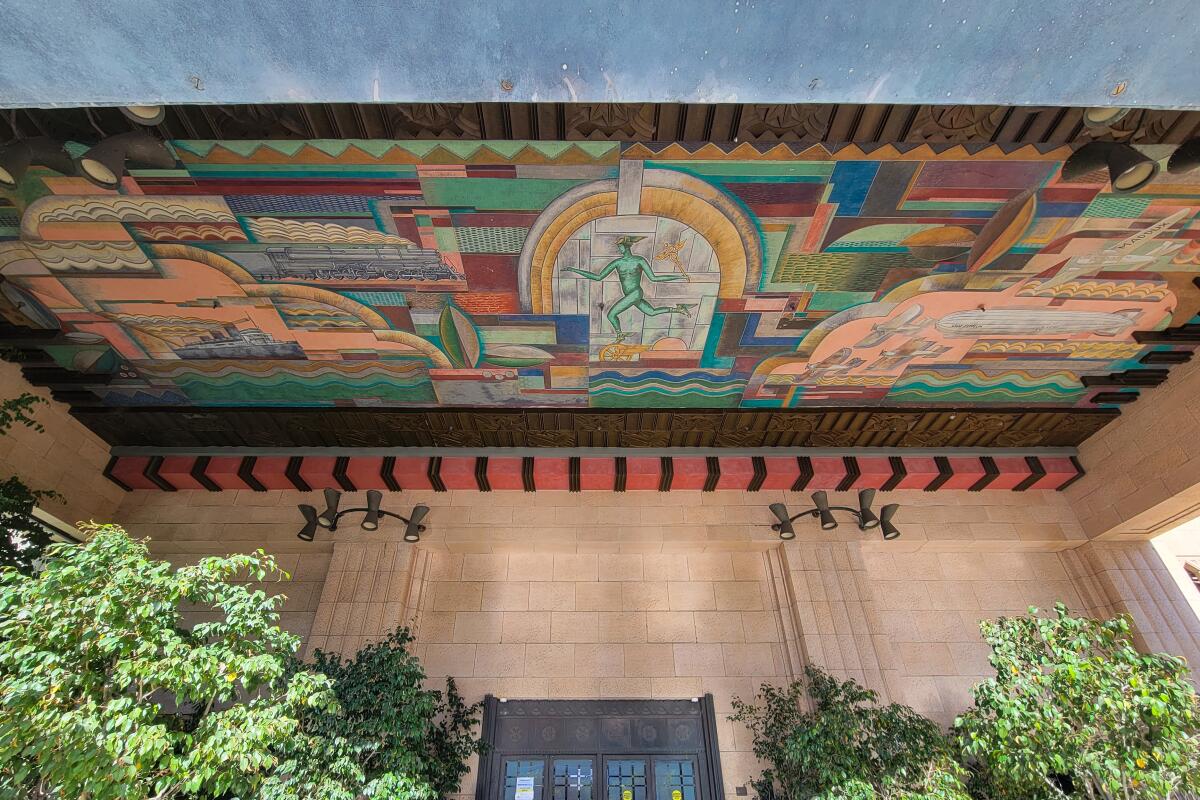
Lake Avenue in Pasadena offers a glimpse of this bygone era. Bullocks, now Macy’s, retains vintage features throughout. Nostalgia lingers as visitors explore elevators, murals, and wallpaper reminiscent of earlier times.
With each announcement of Macy’s closures, uncertainty looms. So far, 401 S. Lake Avenue has survived.