Advancing U.S.-Israel Defense Cooperation
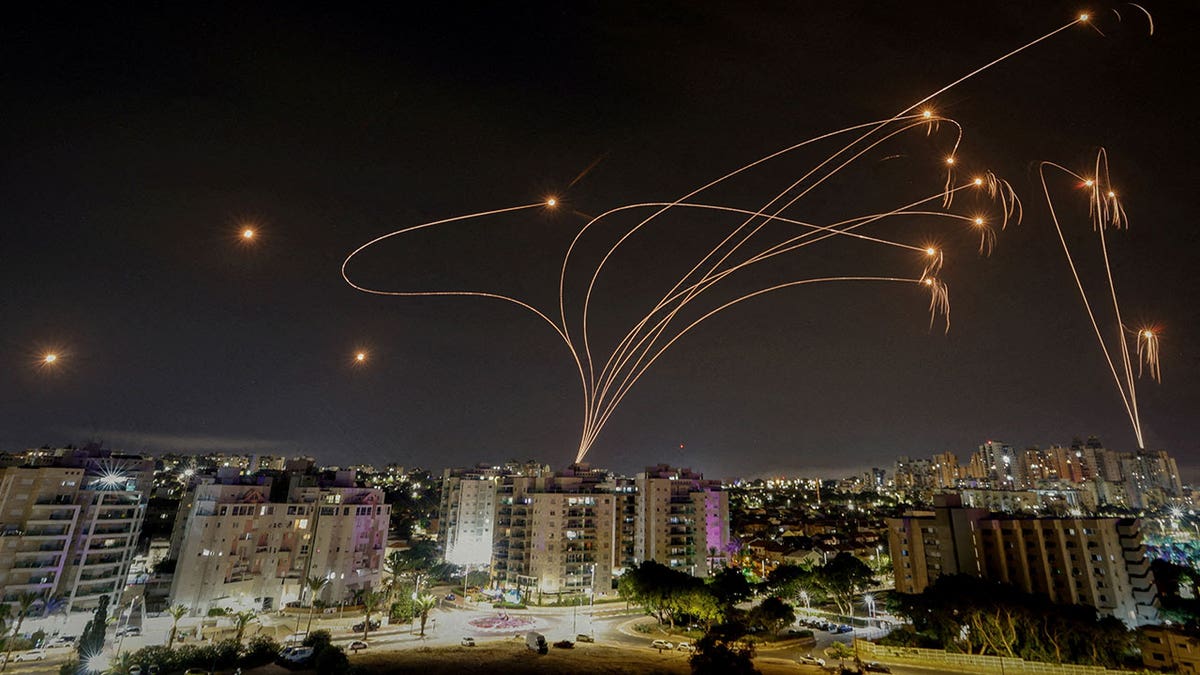
Israeli Prime Minister Benjamin Netanyahu’s meeting with President Donald Trump in Washington focuses on discussions about Iran and regional security. A recent report urges an expansion of U.S.-Israeli defense cooperation, highlighting the potential role of Israeli air-defense technology in the Golden Dome system. This planned missile defense aims to detect and intercept various threats before they reach the U.S.
The report from the Jewish Institute for National Security of America (JINSA), titled “The Missing Shield: Acquiring Israeli Air Defenses Makes Golden Dome Sustainable,” expresses concern that U.S. cities and infrastructure might remain vulnerable. The focus on costly space-based systems that are years from active use could overlook more immediate threats like drones and cruise missiles. The report suggests current priorities heavily favor strategic and space-based capabilities, neglecting lower-altitude threats.
Ari Cicurel, the report’s author, emphasizes the importance of integrating systems that counter short-range threats, such as drones, in addition to long-range defenses. He cites recent drone activity over U.S. cities, including Washington, D.C., as evidence of the immediate risk.
JINSA’s analysis finds Israeli-designed systems offer cost-effective alternatives. Their launchers are estimated to be 58% to 88% less expensive than comparable U.S. systems. The interceptors and radars also present significant cost savings, potentially allowing for increased procurement and resource allocation for strategic technologies.
The Pentagon acknowledges Golden Dome as a layered defense system addressing a range of threats. A Pentagon official stated that efforts are focused on protecting America in line with Trump’s homeland defense vision. The financial implications of the plan are significant, with the Congressional Budget Office estimating a potential cost of $1.2 trillion over 20 years.
The JINSA report advises incorporating Israeli systems in the Golden Dome’s lower layers. It highlights the Iron Dome for short-range threats, David’s Sling for medium-range targets, Arrow for ballistic missiles, and Iron Beam for cost-effective laser interception.
Cicurel stresses the collaborative nature of integrating Israeli defenses, noting the U.S. financial support in their development. Over 100 companies in 34 states participate in the production of Israeli air defense components.
The Pentagon remains non-committal on the integration of Israeli systems. Security concerns and competitive advantages are cited as reasons for the lack of a detailed response.
The report concludes by stressing the importance of securing dedicated funding for short and medium-range defenses. It calls for enhanced joint production, updated export rules, and heightened U.S.-Israel defense agreements, while acknowledging challenges like interoperability and data sharing.