AfD’s Ascending Political Trajectory in German State Elections
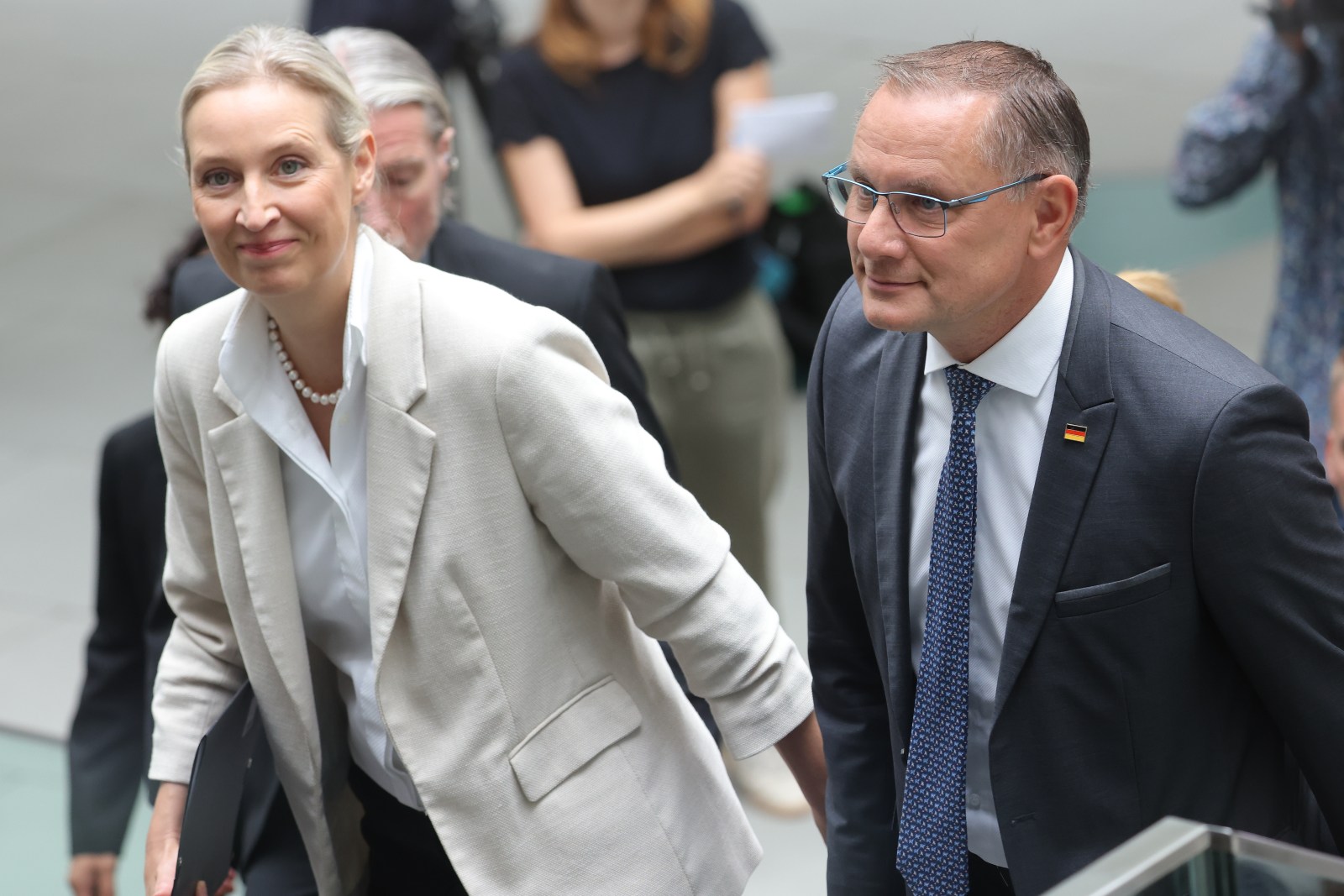
The Alternative for Germany (AfD) party recently demonstrated significant electoral success in Saxony-Anhalt, achieving 44 percent of the vote. This positions the party advantageously for upcoming state elections in Mecklenburg-Western Pomerania and Berlin set for September 20.
In Saxony-Anhalt, the AfD drastically outperformed the Christian Democratic Union (CDU), led by German Chancellor Friedrich Merz, who garnered only 17 percent of the vote. Polls and prediction markets suggest the AfD could replicate this success in Mecklenburg-Western Pomerania, where they are leading. However, the situation in Berlin remains more competitive.
Elections in Mecklenburg-Western Pomerania and Berlin
In German state politics, the largest party typically forms a coalition to lead the government. Despite this, other major parties have consistently refused to collaborate with AfD to prevent them from gaining power. In Saxony-Anhalt, the BSW (Bündnis Sarah Wagenknecht), which secured 5 percent of the vote, indicated potential cooperation with the AfD.
The AfD aims to assert influence in Mecklenburg-Western Pomerania, a region where recent surveys show they are leading. The state’s legislative chamber consists of 71 seats, with 36 required for a majority.
Leif-Erik Holm, the AfD’s candidate for minister-president, and Enrico Schult, the state party co-chair, are central figures in the party’s campaign. Polling data from PolitPro suggests that 35 percent of respondents favor the AfD, followed by 30 percent support for SPD. However, analysis from Insa indicates a smaller following for AfD at 30 percent.
Prediction market Polymarket estimates the AfD has an 82 percent chance of being the largest party, whereas Kalshi assessed their chances at 79.4 percent.
Berlin’s Political Landscape
Berlin, operating as both a city and a federal state, will hold elections for its legislative chamber on September 20, managing municipal functions and contributing to the federal government. A total of 130 seats are contested, with 66 required for a majority, though additional seats may alter this number. The parliamentary structure achieved in 2023 consisted of 159 seats.
According to PolitPro’s summer polling data, the CDU was in the lead, closely followed by Die Linke and other parties with no clear two-party coalition.
Polymarket anticipates Die Linke’s victory at 45 percent, with the CDU at 32 percent and AfD at 17 percent. Various party leaders, including Steffen Krach of the SPD and Bettina Jarasch of the Greens, are key players.
Analyst Louis Perron suggests the AfD’s triumph in Saxony-Anhalt may strongly influence campaign dynamics in Berlin, potentially mobilizing leftist parties against the AfD.
For more details, contact Newsweek editors Matthew Cannon and Gray R. Thomas.