AI Chatbot Usage Among Youth and Its Impact
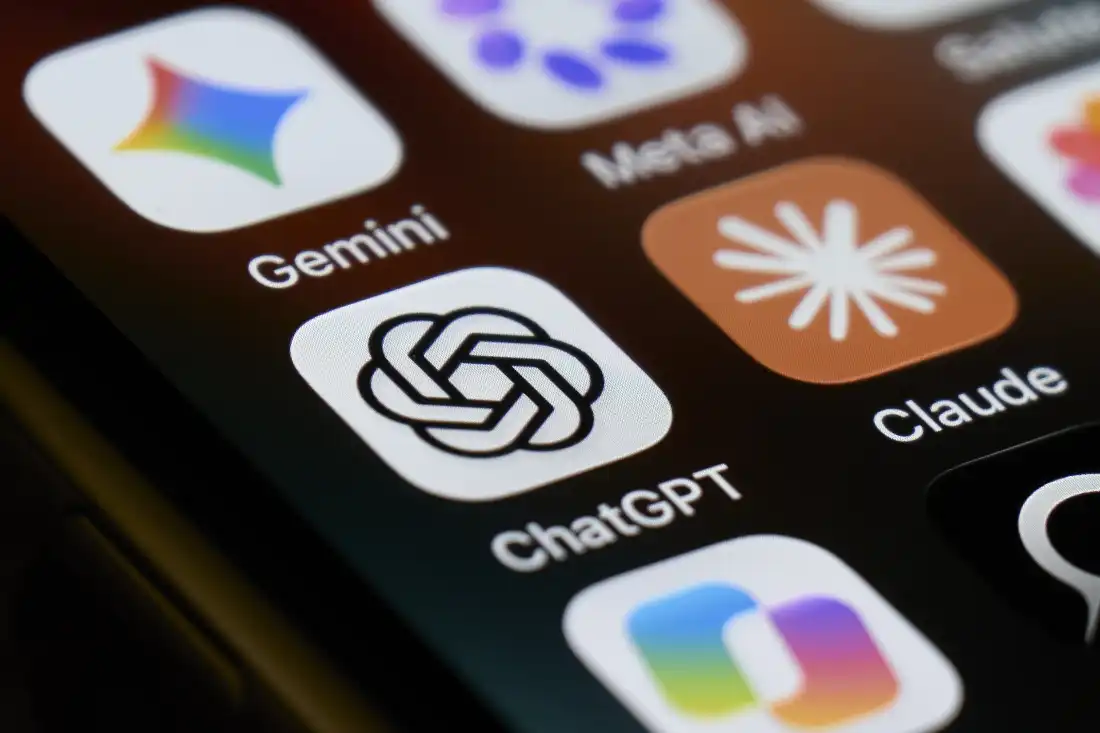
Artificial intelligence chatbots have become a common part of daily life for American youth. Surveys reveal that nearly two-thirds of tweens and teens engage with AI chatbots. Their primary uses include academic assistance, companionship, and emotional support. However, some uses correlate with negative mental health outcomes.
Early AI Interaction
Research from Common Sense Media shows that AI use starts early. Almost half of children aged 9 to 12 have interacted with an AI chatbot or companion. By age 13, this figure rises to nearly three-quarters. The JED Foundation’s survey supports this, revealing that 90% of surveyed 9-to-17-year-olds in schools across the nation have used AI chatbots.
Many use AI for schoolwork and as a companion when stressed, lonely, or anxious. The surveys highlight a notable shift in AI use among children and teens in a short period. Developmental psychologist Anne Maheux of the University of North Carolina, Chapel Hill, notes the rapid adoption, stating, “It seems like just a few years ago, no one was using the technology.” Now, kids are not only using it for homework but also for emotional support.
Practical Uses of AI Chatbots
Arjun Sharda, a 15-year-old from Round Rock, Texas, uses AI to practice sample test questions and understand complex concepts. He prefers Google’s Gemini over OpenAI’s ChatGPT for his studies. In Raynham, Mass., 17-year-old McKenzie Craig has engaged with chatbots since eighth grade, using them for task prioritization and assignment assistance. Craig utilizes tools like Grammarly and ChatGPT for essay feedback and revisions.
Sharda shares that he and his friends resort to chatbots during stressful periods, especially concerning academics. “With tests,” he notes, “I was so scared of failing one of my first chemistry tests on conversions and moles that I kept asking ChatGPT ‘Will I be OK? Will my GPA still be fine?'”
Mental Health Implications
The JED Foundation survey also explored the mental health correlation with AI use. Vice President Kayla Anderson reports, “When young people are using AI, when they’re in emotional distress, they’re more likely to report poor mental health and well-being outcomes.” Students in distress show a higher occurrence of reported suicidal thoughts and attempts. However, Anderson cautions against inferring a causal link from these findings.
Recent research suggests a possible two-way link between chatbot use and declined mental health among youths. Maheux comments, “So kids who do have worse mental health are seeking out AI to help them. But that AI use may be exacerbating those mental health challenges instead of helping.” In a forthcoming study, Maheux and colleagues at UNC found that middle schoolers using chatbots for companionship reported increased loneliness over time, a pattern echoed among young adults.
The research suggests that while AI can temporarily ease emotional distress, overreliance on technology might hinder the development of coping skills necessary for managing daily stressors, potentially worsening mental health. “It can lead to worse mental health,” Maheux explains, reflecting on the longer-term implications of AI use by youth.