AI Concerns Unite Americans Across Political Lines
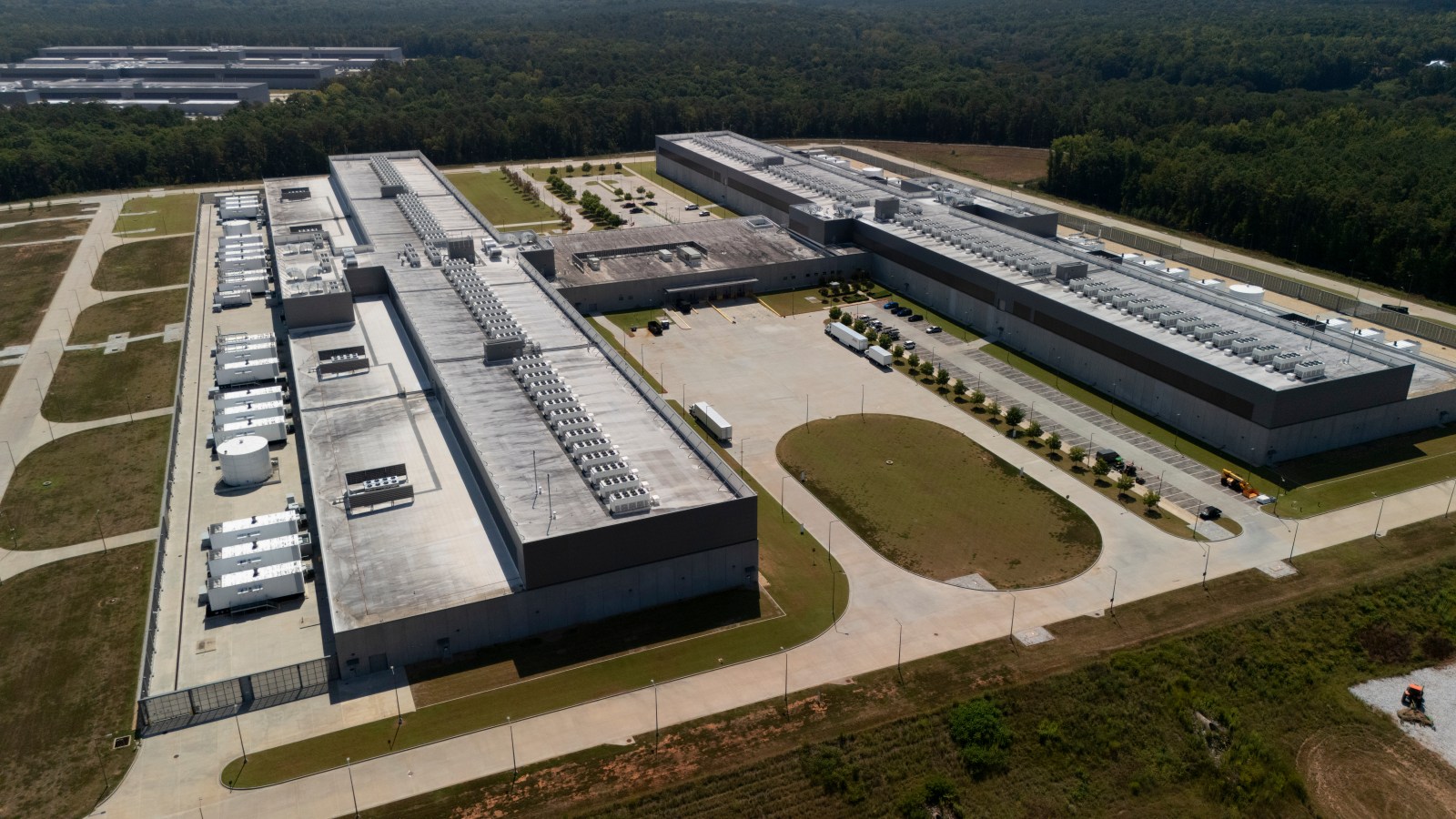
Artificial intelligence is emerging as a unique issue that unites people across political spectrums as the midterm elections approach this year. According to a recent NBC News Decision Desk poll, Americans, regardless of their party affiliation, express concerns about the swift expansion of AI infrastructure.
In the poll, 34 percent identified as Republican, 29 percent as Independent, and 37 percent as Democrat. A considerable 69 percent opposed the construction of an AI data center in their local area. Within this group, 45 percent strongly opposed the idea. Meanwhile, 31 percent supported having a data center nearby.
Concerns over AI transcend typical party lines, impacting local communities directly. When asked which political party is trusted more to make policy decisions about AI, 20 percent chose Democrats, 16 percent chose Republicans, and 44 percent chose neither. Five percent trusted both parties equally, while 15 percent were unsure.
NBC News highlighted that concerns about AI cut across demographic divides. Republicans, Democrats, men, women, those with and without college degrees, and residents of cities, suburbs, towns, and rural areas were united in their unease. Alarmingly, even tech-savvy young Americans expressed as much concern as the older population.
The poll surveyed 7,105 adults online between August 20 and September 1, with a 3.3 percentage point margin of error.
“Worries about the technology transcend virtually all demographic divides that define American politics and policy,” NBC News noted in its write-up of the poll.
Bill Gates, Microsoft co-founder, recently emphasized that the public debate over AI has been too muted. His concerns over AI’s rapid development have prompted him to advocate for stricter safeguards. Gates highlighted risks such as cyberattacks, bioterrorism, and broader psychological impacts. During a CNN interview, Gates expressed shock over the lack of existing safeguards.
Despite ongoing concerns, efforts to limit data centers could have limited impact on AI’s progress, as companies can build elsewhere. As midterm elections near, communities contemplating data center proposals weigh economic positives against potential local strain.
Data Center Concerns Ahead of Midterm Elections
Debates over data centers often focus on their demands for electricity, water, and land. Supporters argue these facilities offer jobs and investments. Critics worry about increased utility costs and local resource strain. These tensions make data centers a prominent political issue.
The poll results coincide with the Trump administration’s encouragement of AI investments. Republican Texas Governor Greg Abbott has voiced opposition, halting up to 1,800 data center projects. He emphasized the importance of data centers not disrupting local services, advocating for universally applied standards in Texas.
“Data centers must not take water needed by local communities. They must not take power needed by the Texas power grid. They must lower the cost of electricity,” Abbott posted online.
Meanwhile, President Donald Trump highlighted the economic risks of rejecting data centers, citing potential job creation and tax reductions. He argued communities saying no to data centers risk economic regression.
On China’s potential dominance in AI, the poll found 38 percent are very or extremely concerned. This concern is predominantly expressed by Republicans.
Vice President JD Vance commented on public association of data centers with negative local impacts, particularly regarding power bills and neighborhood disruption. Vance suggested improving power supplies to address concerns.
Columbia University professor Robert Y. Shapiro commented that bipartisan agreement on AI issues means neither party can claim ownership of the topic. He added that President Trump faces other challenges that outweigh AI discussions.
What the Poll Shows
Regarding AI’s impact on jobs, 53 percent believe it will do more harm than good. Conversely, 27 percent see benefits, and 20 percent are uncertain. Eighty-one percent feel the government isn’t adequately regulating AI, while 19 percent believe it is doing enough.
About 30 percent perceive the societal benefits of AI as high. Thirty-eight percent rate it medium, while over 30 percent rate it low. Within democracy and elections, 64 percent perceive AI’s impact as harmful. Regarding healthcare, 47 percent see AI as beneficial, while 30 percent see harm.
Usage statistics indicate that over half of those surveyed have engaged with AI regularly. Twenty-six percent use AI rarely, and 22 percent have never used AI.