AI Innovations in Robotics: Enhancing Work Safety and Efficiency
AI and robotics are transforming what robots can accomplish today. At Chicago’s Automate Show, humanoid robots demonstrated their advanced capabilities. Jeff Burnstein, President of the Association for Advancing Automation, highlights how AI enables robots to execute diverse tasks in places like hospitals and factories. This enhances competitiveness and promotes job creation.
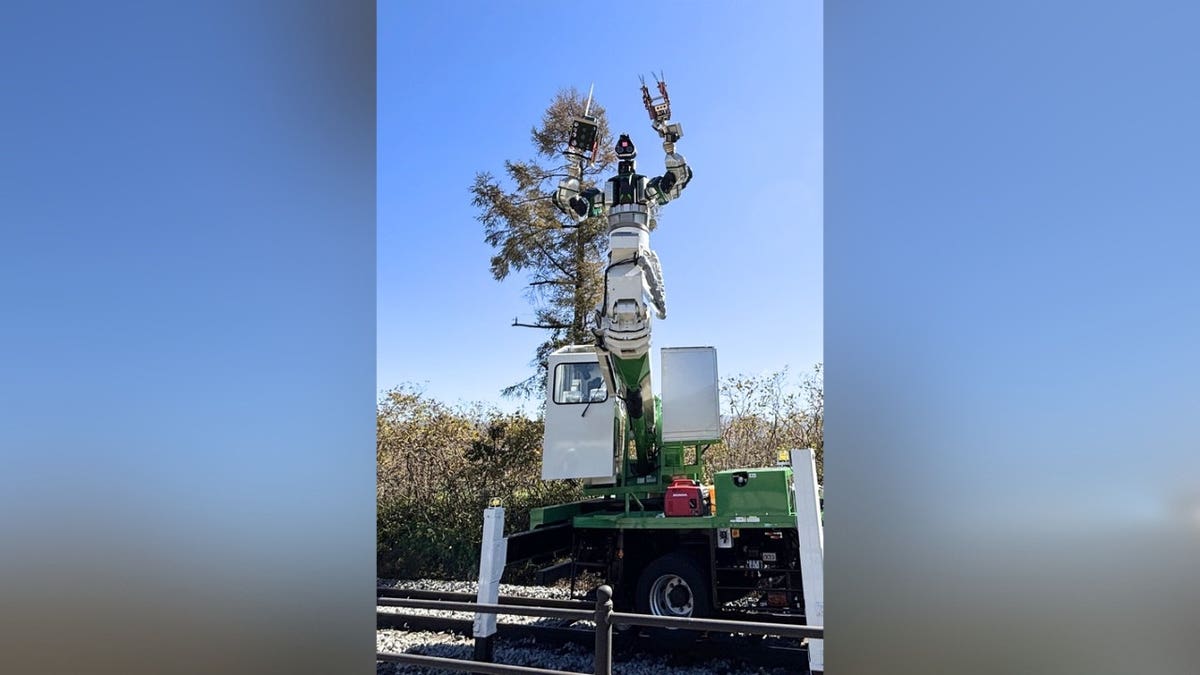
For example, Japan’s JR East railway is using a chainsaw robot to tackle high-risk maintenance tasks. This innovative machine handles the dangerous job of trimming overgrown branches along train tracks, an operation that previously exposed human workers to significant risks. The robot is controlled remotely, ensuring the operator’s safety, a relief when handling tools like chainsaws.
This chainsaw-equipped robot, named ZIZAI ZX-3, operates on JR East’s Koumi Line, addressing issues posed by encroaching vegetation. Utilizing an arm to grip branches and another to cut, the robot can reach areas that are typically hazardous for humans due to height and proximity to electrical infrastructure. Created by Nippon Signal, ZX-3 commenced full-scale operations after its delivery earlier this year. Another Japanese railway, JR West, has been using similar robotic systems since July 2024.
The operation of ZX-3 highlights human control behind robot functionality. Trained operators remotely manage the robot, ensuring precision and reduced risk around railway infrastructure. Nippon Signal aims to enhance the robot’s capabilities to handle more maintenance tasks while maintaining operator safety. This innovation shifts work away from high-risk environments.
Railway companies are turning to robots due to labor shortages and safety concerns. Japan needs solutions for maintaining train tracks without excessive physical demands on workers. By using robots like ZX-3, maintenance can occur during daytime, improving conditions and schedules for workers, even if it requires occasional train service adjustments.
AI’s integration in robotics could further automate maintenance jobs. JR East explores AI use in maintenance activities, including infrastructure assessments. While ZX-3’s cutting operations remain human-controlled, future developments may allow robots to perform tasks independently with AI support. Nonetheless, this autonomy raises concerns about operational safety, emphasizing the need for reliable control systems.
For commuters, robotic technologies could mean fewer service interruptions caused by track maintenance. Innovations in robotics promise safer operations beyond railways, potentially benefitting utilities and construction by enabling safer handling of hazardous tasks.
As robots advance, roles for skilled workers to operate and oversee these machines emerge. Maintaining safety standards remains vital. The ZX-3 illustrates how technology and human oversight can make dangerous maintenance work safer.
Future prospects for robotics and AI remain exciting, with a cautious view towards safety. Technologies like the ZX-3 could change infrastructure maintenance, though concerns about autonomous operations persist. Would you feel secure with fully autonomous machines handling tasks like these?