AI Integration in New Orleans 911 Services
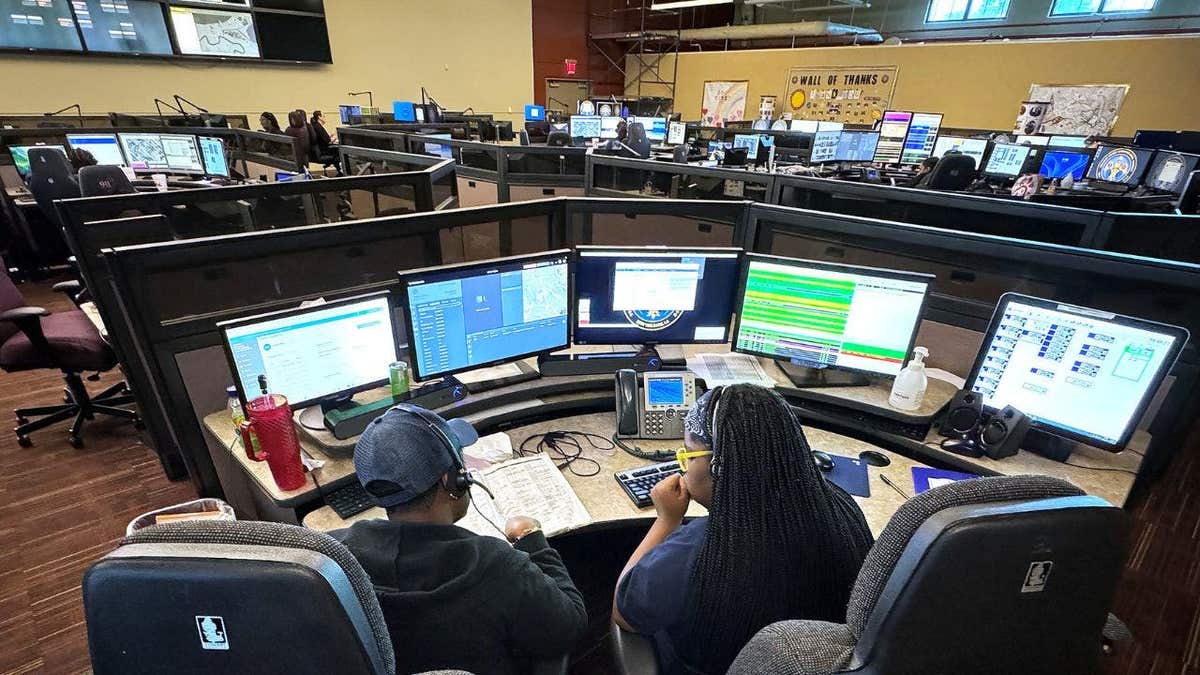
Dialing 911 typically brings the expectation of a human responder. However, in New Orleans, artificial intelligence might answer during specific scenarios related to repeat auto crash reports. The Orleans Parish Communication District (OPCD) manages 911 communication in Orleans Parish, where AI is utilized to handle repeat crash calls while maintaining human availability for other emergencies.
How the System Functions
In collaboration with Carbyne, OPCD initiated AI-assisted call triage before deploying the system in 2023. Carbyne’s AI-V Emergency Call Triage aids in managing call floods concerning identical events. A single car crash can trigger numerous reports from nearby drivers. The AI reviews calls originating within a 200-meter radius of a known crash when human responders are all occupied.
Handling Calls with AI
When the AI intervenes, it identifies itself as part of New Orleans 911 and prompts for confirmation of the call’s relation to a known accident. If the caller confirms the specific crash, AI acknowledges the situation is already noted. Should more information be necessary, or if the caller is involved, a human operator becomes available.
OPCD emphasizes the AI cannot dispatch responders or assess urgency. Its primary function is pinpointing repeat crash calls, not encompassing broader 911 call categories.
Understanding Limitations
OPCD trained the system using local data to better interpret New Orleans accents and street names. If the AI fails to comprehend the caller, the call is transferred to a human queue. Languages supported by the system ensure universal applicability.
What Happens if You Disconnect
If a caller disconnects while in the queue, callback procedures remain in place. OPCD advises staying connected when possible, guaranteeing eventual human response.
Recorded Interactions
All AI-managed interactions are logged and preserved for investigative purposes. These do not utilize large language models, addressing privacy concerns.
Performance and Reliability
During initial trials, OPCD reports no instances of incorrect handling, indicating reliability within the defined scope. Carbyne’s data reveals a decrease in redundant calls and faster response times.
Future Expansion
While studying future applications, OPCD remains cautious about extending AI use beyond current parameters, ensuring rigorous performance validation before considering broader deployment.
Public services are gradually incorporating AI, necessitating community understanding of capabilities and limitations. Potential expansion requires clarity in operations, especially regarding human interaction during emergencies.