AI Threats to Water Utilities: A Growing Cybersecurity Concern
The Rising Risk of AI-Powered Cyber Infiltration
Cybersecurity expert John Walsh highlights the real and increasing risk of hackers using artificial intelligence to infiltrate water utilities. This technology allows adversaries to identify vulnerabilities faster than defenders can address them. Walsh works as the field chief technology officer for government and critical infrastructure at cybersecurity firm IGEL. He informed Newsweek that AI accelerates threats targeting systems that control water treatment and energy facilities.
While malicious actors have always targeted industrial systems, Walsh notes geopolitical tensions, like the Iran war, alongside rapidly advancing AI capabilities, have increased the urgency of this threat. He emphasized the speed at which attacks are evolving due to these factors.
Growing Concerns Over Water Infrastructure
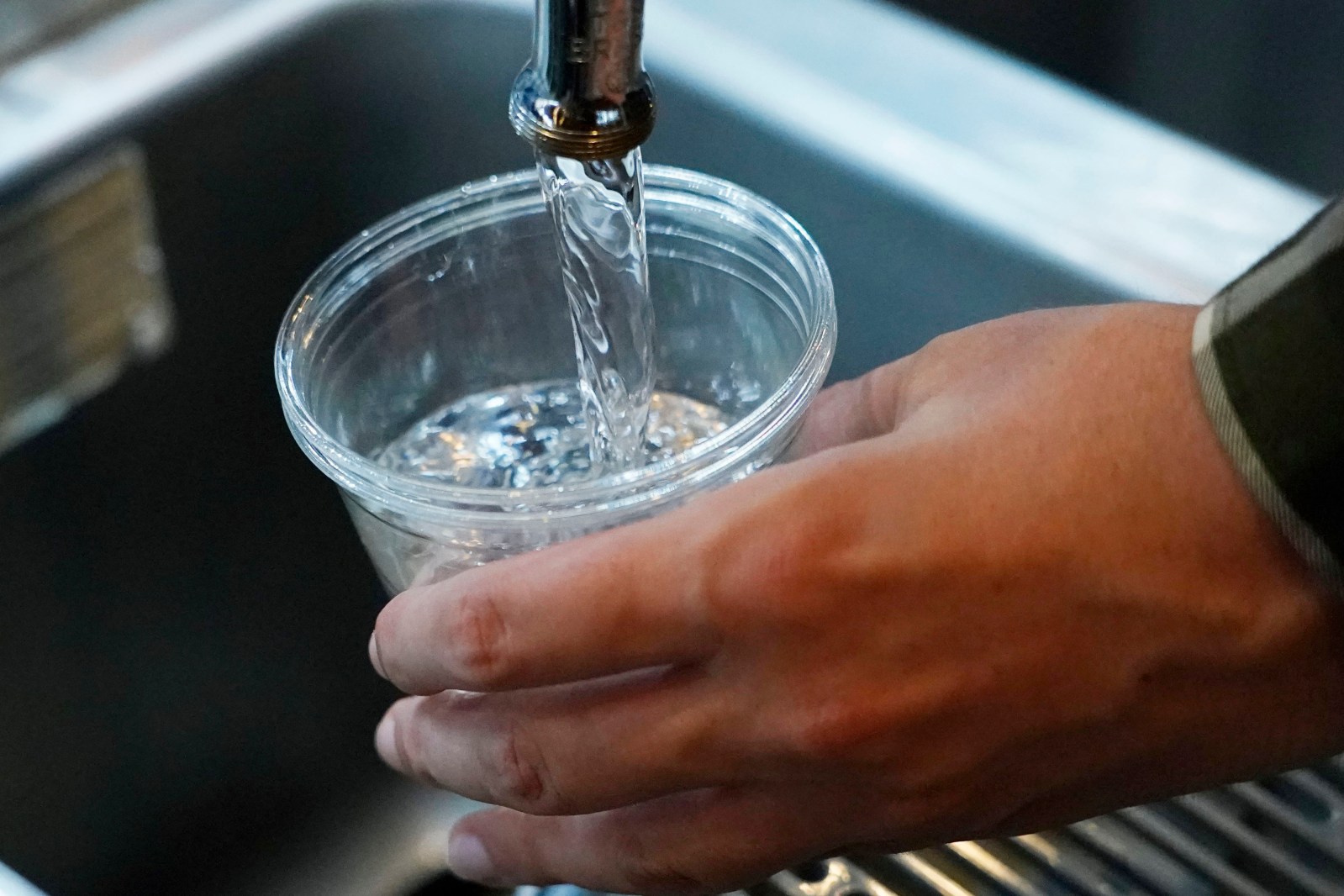
Cybersecurity experts are increasingly worried about water systems, many of which are operated by local governments with limited resources. The Cybersecurity and Infrastructure Security Agency (CISA), with other partners, recently warned of threats against Siemens S7 Series programmable logic controllers used at water treatment plants, energy facilities, and more. Successful attacks could disrupt water access, erode public confidence, and have effects on food production, healthcare, and other sectors.
Walsh warns that targeting companies like Rockwell, Schneider, and Siemens affects more than just water facilities. These companies’ controllers also run chemical and energy facilities, crucial for automation.
Such attacks could extend beyond temporary service disruptions. Walsh explained the potential for losing confidence in water supply, reminding that clean water is essential. He also pointed out implications for agriculture, which relies on automated systems and control technologies.
Pattern of Cyber Attacks
Federal agencies have consistently warned about cyber threats to America’s water infrastructure. Walsh mentioned a pattern of attacks, especially those linked to Iranian actors and nation-state adversaries. According to him, smaller utilities may be particularly vulnerable due to staffing and budget constraints.
Major concerns revolve around hackers manipulating control systems without alerting operators. Facilities use programmable logic controllers to automate operations like valve opening and chemical treatments. Cyberattacks could mislead operators about system functionality, similar to the Stuxnet operation targeting Iranian centrifuges.
Accelerating Threats with AI
AI is reshaping the cybersecurity landscape. Walsh explained that AI helps attackers uncover vulnerabilities, analyze software, and modify attack techniques. This capability makes traditional defenses less effective. Nation-state actors can use AI to quickly adapt their attacks.
While defenders also employ AI, Walsh argued that detection is insufficient. He advocates for a prevention-based security model to protect critical infrastructure. AI itself could be targeted if security controls aren’t implemented.
Organizational architectures must handle future vulnerabilities that AI-equipped adversaries may exploit, added Walsh.
Consumer Actions and Awareness
Walsh reassured that average Americans are unlikely direct targets of attacks on water utilities. However, individuals can better their cybersecurity through measures like multi-factor authentication, password managers, and staying alert to phishing.
Beyond personal security, consumers can urge local officials to prioritize cybersecurity funding for water systems. Most CISA-promoted security standards are not legally mandated. Walsh likened the scenario to government-enforced automobile safety features, which drove industry compliance and cost reductions.
In some cases, homeowners use water filtration systems for added protection. Nevertheless, the key solution lies in securing public infrastructure that communities depend on.