AIPAC’s Role in Current Political Dynamics
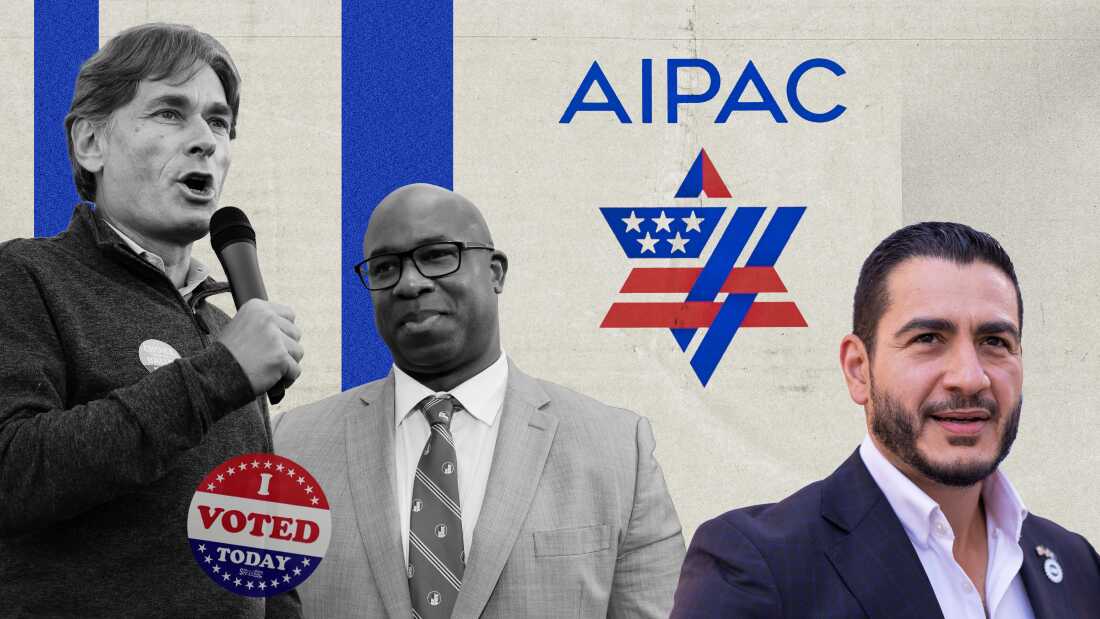
During a significant election cycle, the American Israel Public Affairs Committee (AIPAC) has been a key discussion point. In Michigan’s Democratic primary for the U.S. Senate, Abdul El-Sayed criticized his opponent, Rep. Haley Stevens, for her AIPAC support. El-Sayed’s victory highlighted the growing influence of the Democratic left and a broader backlash against both AIPAC and money in politics.
AIPAC’s Evolution
AIPAC aims to strengthen the U.S.-Israel alliance. Since its founding in the 1950s, it has maintained bipartisan congressional ties to promote policies benefiting this partnership. Traditionally, AIPAC refrained from endorsing candidates. However, this changed before the 2022 elections when it formed a political action committee and super PAC. Howard Kohr, AIPAC’s former CEO, attributed this shift to a more politically charged era with rising campaign expenses and increasing dissent against Israel.
Although AIPAC declined to comment, Kohr noted in a 2022 Washington Post interview that they seek to support allies and counter detractors. Ken Toltz, a political activist, pointed out AIPAC’s increased visibility yet mixed understanding among the public.
Shifting American Support for Israel
Criticism of AIPAC grows as Democratic support for Israel declines, influenced by conflicts like the Gaza war. Ron Kampeas, former bureau chief for the Jewish Telegraphic Agency, noted public opinion turning against Israel due to this conflict’s destruction. Pew Research Center reports that 60% of U.S. adults hold unfavorable views of Israel, up from 53% previously. Gallup found more Americans sympathize with Palestinians than Israelis, with a 41% to 36% split. Over 100 House Democrats voted to reduce aid to Israel, signaling changing support patterns.
According to Toltz, AIPAC’s involvement in campaign spending has affected its reputation. “Do we have a more supportive Democratic Party or Congress?” he asks, suggesting otherwise. Van Jones, a Democratic analyst, believes AIPAC’s endorsement is now viewed critically, often seen as a drawback by Democrats.
Campaign Spending and Political Strategy
The Gaza war and opposition to the Iran nuclear deal under Obama have driven tension between AIPAC and some Democrats. For instance, AIPAC supported efforts against Iran’s deal and backed Republicans challenging the 2020 election results. In the 2024 cycle, AIPAC opposed key figures like former Rep. Jamaal Bowman, a critic of Israel. Kampeas highlighted a particular race where United Democracy Project (UDP) intervened, resulting in a win for Analilia Mejia, a progressive critical of Israel.
UDP has steadily expanded its financial influence. OpenSecrets data shows UDP’s spending increased from $26 million in its first cycle to over $62 million currently. Brendan Glavin from OpenSecrets cites examples in Illinois where AIPAC used regional PACs funded through UDP. Comparing AIPAC to other major fundraising groups, Glavin notes their significant spending, akin to AI and cryptocurrency sectors.
Despite mobilizing large funds, AIPAC’s success rate aligns with similar single-issue groups. Dany Bahar from Brown University remarked on AIPAC’s average performance compared to groups like the National Rifle Association and Planned Parenthood. While AIPAC raises substantial money, its effectiveness remains in question.
Public Perception and Misconceptions
At times, AIPAC’s fundraising has been mischaracterized as stemming from foreign agents. Van Jones argues such views misrepresent AIPAC’s American roots, cautioning against stereotypes involving dual loyalty. During primary elections, AIPAC ads have faced criticism, with some candidates focusing on AIPAC as a negative aspect of political funding.
Dorton, the UDP spokesperson, stresses that AIPAC represents millions of pro-Israel American voters who value U.S. democracy. The debate over AIPAC’s political influence reflects its ongoing challenges since its inception.