AI’s Influence on Truth and Bias in the Digital Age
Artificial intelligence plays a central role in significant debates across sectors, covering jobs, healthcare, national security, and consumer protection. Yet, an essential question remains: Will AI models seek the truth, or will they conceal biases within their responses?
On the surface, general-purpose AI tools appear as neutral sources of information, providing answers with citations and unbiased feedback. However, deeper analysis shows that this neutrality is not always genuine. While blatant breaches of accuracy, such as historically inaccurate depictions, are easily spotted, more subtle biases often go unnoticed. Many users do not fact-check AI responses, making it easier for these biases to influence perceptions.
Research highlights these hidden biases. The Washington Post found that AI models often favor left-leaning views on political questions, while portraying these as neutral. Similarly, MIT’s Center for Constructive Communication identified that reward models tend to lean left even when trained on truthful data, particularly on issues like climate and labor.
In the absence of federal guidelines, states like New York and California are moving to legislate on these biases. They aim to impose assessments and anti-discrimination mandates similar to Colorado’s Artificial Intelligence Act. According to the FTC, such laws may pressure companies to alter AI outputs to meet state-driven ideological goals, penalizing factual responses.
The rapid adoption of AI increases the stakes. Many Americans rely on AI daily for information, work, and political insights. This reliance extends to voter decisions, with AI tools offering alternatives to traditional media. However, undisclosed biases can skew these tools’ neutrality and influence voter opinions.
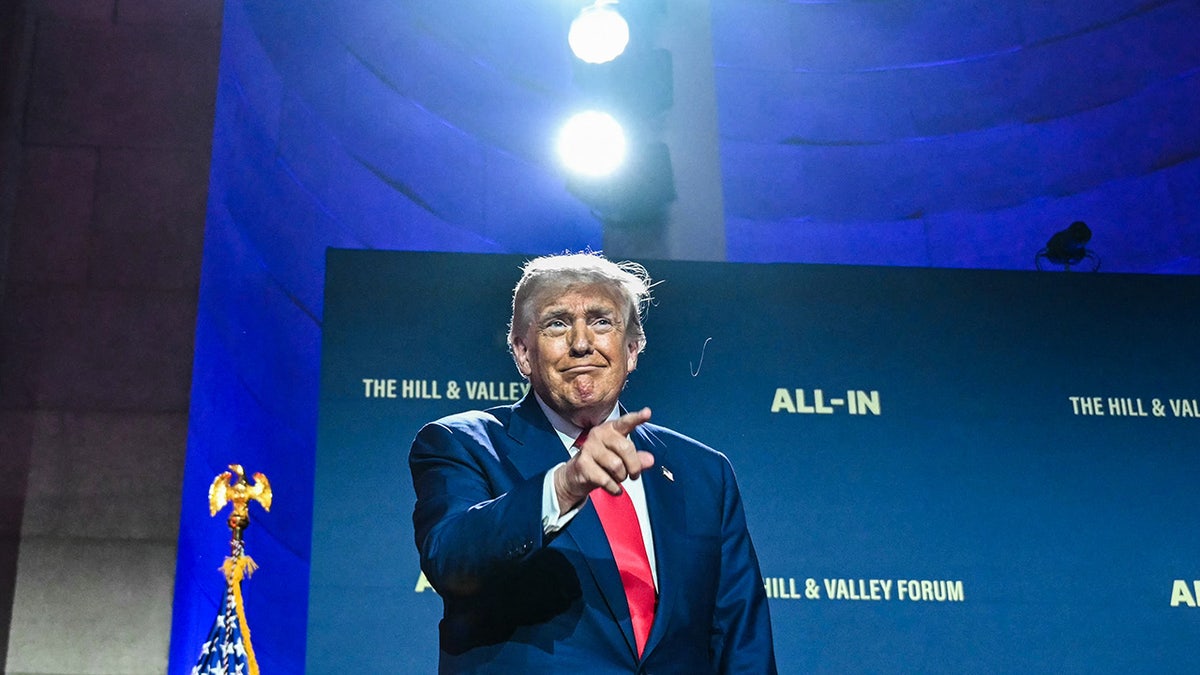
Under President Donald Trump, efforts focus on ensuring AI remains trustworthy. His administration’s AI Action Plan emphasized that AI should seek objective truth, not manipulate social agendas. Executive orders have halted the use of biased AI models at the federal level, setting a precedent for accuracy.
FTC Chairman Andrew Ferguson reinforces this through a proposed policy applying consumer protection laws to undisclosed AI biases. Under Section 5 of the FTC Act, deceptive practices include misrepresentations likely to mislead reasonable consumers. Therefore, if an AI presents biased information as neutral, it could be violating these standards.
The proposal also addresses the issue of state-by-state AI regulation, advocating for a unified federal standard. This approach mirrors existing regulations for national products, ensuring that AI models do not become subject to varying state laws.
This policy statement is vital. It aims to safeguard consumers by mandating transparency in AI biases. The American public deserves clarity regarding potential deception, and the FTC’s initiative marks a step toward maintaining U.S. leadership in the AI era.
Author Nicholas Elliot serves as director of Government Affairs for Innovation Council Action, with previous roles at the White House, the Commodity Futures Trading Commission, and the U.S. Senate.