Alaska’s Political Dynamics: Senate Race and ‘Lower 48’ Allegiances
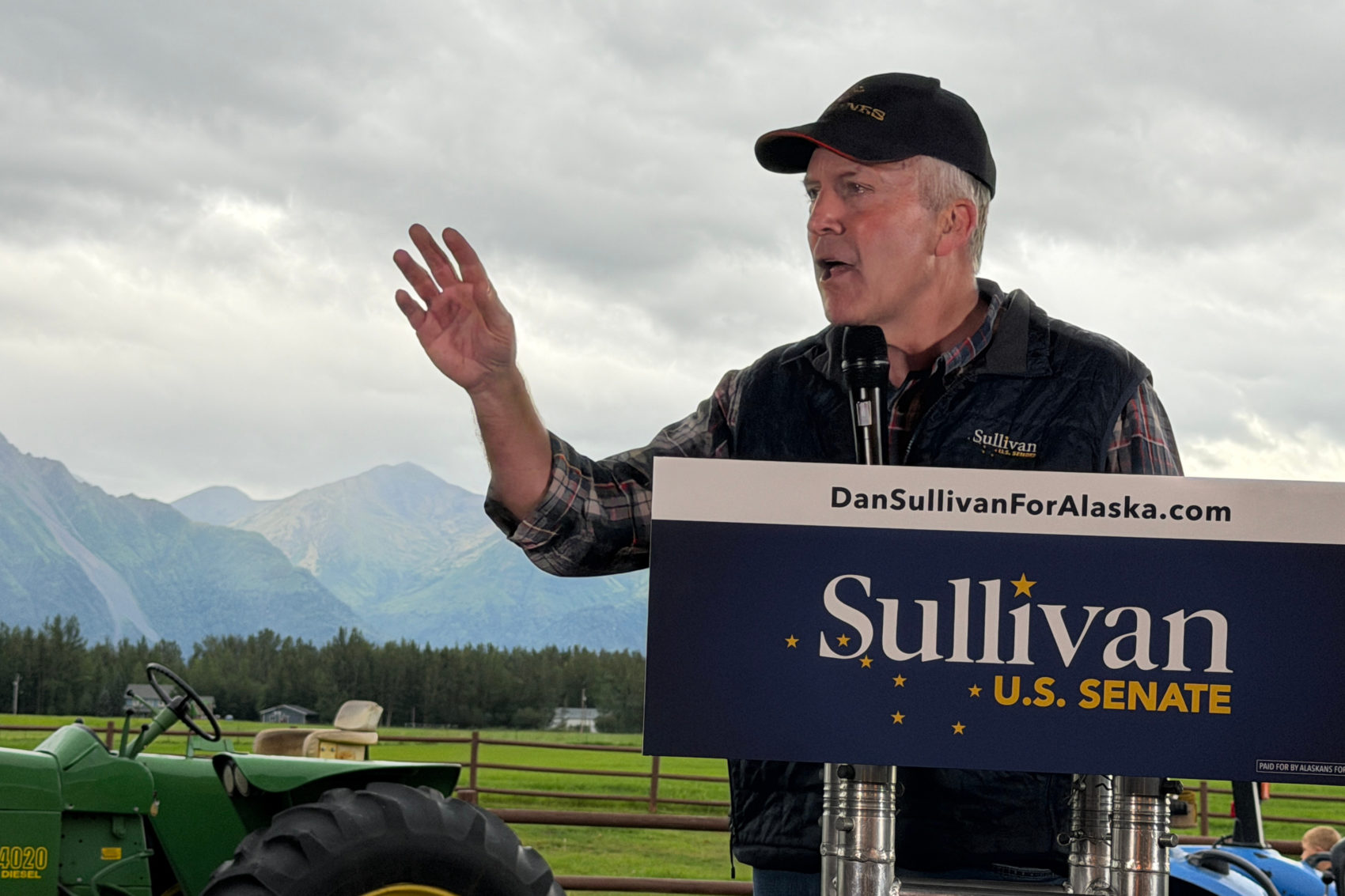
Alaska’s Political Landscape: One of the sharpest criticisms in Alaskan politics is being accused of supporting the “Lower 48.” This phrase implies candidates are following directives from influential groups in the contiguous U.S. rather than prioritizing Alaskan interests. In the state’s pivotal U.S. Senate race, this label has become central. Republican Senator Dan Sullivan leverages this against Democrat Mary Peltola, branding her alongside “Lower 48 liberals” for opposing expansive oil and gas projects crucial to Alaska’s economy.
Peltola, an Alaska Native, defends her record by referencing her efforts against then-President Joe Biden to secure approval for the major Willow oil project in 2023, despite environmental objections. She emphasizes her commitment to confronting anyone, including Democrats, who misunderstand Alaska’s needs.
The label underscores Alaska’s unique identity, often referred to as “The Last Frontier,” celebrated for its natural allure, wildlife, and vast open spaces. Many communities there are principally accessible by air or sea, fostering independence and self-reliance among residents.
Both Senate campaigns and various groups have attracted attention to the state’s distinctive character, presenting their candidates as representative voices for Alaskans. As former lawmaker and podcast host Andrew Halcro from Alaska notes, “The persona of Alaska is a tough place to live.”
Tension Over Resources: Alaska’s abundant resources have historically created a tense relationship with the federal government, which possesses 60% of Alaska’s land. This friction heightens under Democratic administrations, which often impose limits on resource exploitation due to environmental concerns. Policies vary significantly between administrations. Obama’s and Biden’s administrations restricted leasing in areas vital to wildlife, while Trump’s administration sought to expand oil and gas development.
Decades-long disputes over road-building and logging, such as those concerning the Tongass National Forest, have strained relations and date back to the Clinton era.
Alaska’s insufficient share in royalty revenues from federal land resources remains a contentious issue, with lawmakers arguing for a larger portion as promised at statehood.
Despite current declines in oil production, political figures note a promising reversal, as exemplified by successful lease sales in the petroleum reserve earlier this year, sparking interest from major companies.
Fuel price fluctuations from international affairs, notably the Iran war, severely impact isolated communities reliant on oil deliveries before winter freeze-up.
For Darryl Hugo from Anaktuvuk Pass, oil development is paramount. He backs Sullivan, acknowledging oil revenues underpin essential local services such as healthcare and emergency response.
Claims to Authenticity: Candidates vying for “authentic Alaskan” status are prominent in this electoral cycle. Independent Robert Sewell from Juneau observes the “Lower 48” taunts and Peltola’s distancing from national Democrats as candidates strive to be the real voice for Alaska. Sewell likens this to schoolyard taunts, where the essence is challenging one’s opposition.
Peltola withheld support for Democratic presidential nominee Kamala Harris, rejecting endorsements from “Lower 48” figures. Sullivan’s team, emphasizing Alaskan priorities, discredits purported “Lower 48” influences.
In media engagements, Peltola showcases her commitment to working with Trump-supporting figures if it benefits Alaskan oil interests.
Sewell contends Peltola’s stance, noting it’s purely strategic without personal alignment with Trump’s broader policies.
Voter Sentiments: The “Lower 48” narrative grips Alaskan social media and airwaves, though Alaskans might desire stability over divisive messaging, according to Halcro. Amid extensive campaigning, voters seek representatives prioritizing unity and assurance.
Mary Peltola promotes Alaskan values, illustrated by fishing imagery on her website. Her slogan “Fish, Family, Freedom” targets shared local ideals.
Sullivan, originally from Ohio but immersed in Alaskan governance since the late 1990s, echoes similar sentiments through his campaign. His representative, Nate Adams, asserts the senator’s dedication to Alaskan interests over external influences.
With relentless advertising bolstering this contest, Halcro suggests a prevalent yearning for stability amidst heightened political rhetoric.
Support for independent journalism is crucial for fostering informed and respectful public debate.