Algorithms and the Decline of Mass Culture
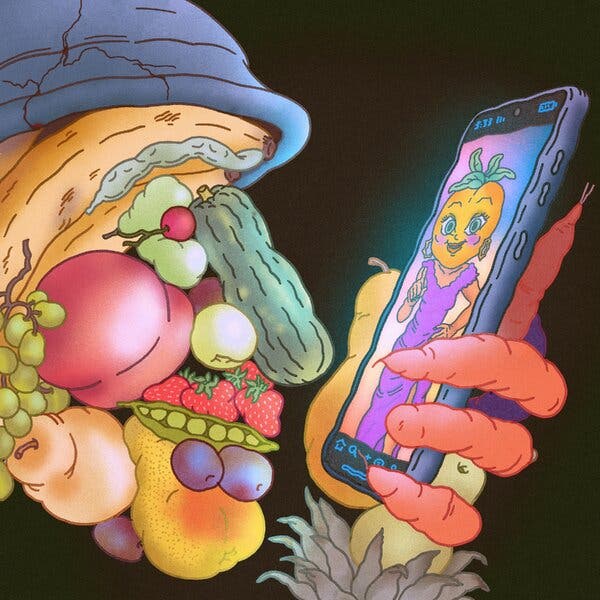
In March, the TikTok account ai.cinema021 released over 20 episodes of an A.I.-generated ‘dating’ show called ‘Fruit Love Island.’ The show featured humanoid fruits with exaggerated sexual features. Their dialogue is both clichéd and strangely unfamiliar, resembling how a TV might communicate after only watching other TVs. An example from the show includes:
Bananito: I’m here to have fun and probably break a few hearts.
Orangelo: [Laughs.] Bro said the quiet part out loud.
Many viewers accustomed to A.I.-generated content, known as ‘slop,’ find these descriptions unremarkable. However, ‘Fruit Love Island’ became massively viral, each episode garnering over 10 million views. This visibility spun off related content like ‘Fruit Paternity Court’ and a piece about pregnant broccoli. The series’ popularity suggests viewers either enjoyed or were frustrated by it. In either case, the algorithm noted the high interest and promoted it worldwide.
This series represents what some consider a new low for internet culture. Critics noted how it took the reality show ‘Love Island’ — already seen by some as a questionable cultural indicator — and made it even more trivial. For instance, a BBC News headline declared, ‘Think ‘Love Island’ Is Bad? Wait Until You See the A.I. Fruit Version.’ The series condensed reality TV into even shorter spans, making it perfect for clips across various media platforms.
The prevalence of A.I. content contributed to one potentially useful outcome. Social media is filled with A.I. creations, from bizarre religious figures to propaganda styled like children’s toys. Many people are quick to dismiss anything identified as A.I.-generated. This widespread disdain has unintentionally created a shared cultural foundation, enabling a type of shared societal experience that was thought lost. This restores an aspect of the monoculture the internet was believed to have fragmented.
Monoculture describes a period when TV, films, and music were universally consumed, creating a unified cultural landscape. During that time, everyone watched the same shows, allowing for shared views on characters like Steve Urkel from ‘Family Matters.’ This sense of community has waned with today’s customized algorithms.
The peak of monoculture coincided with the dominance of network television from the 1950s to the 1990s. Back then, three or four channels captured tens of millions of viewers nightly. Entertainment needed to appeal broadly, often at the expense of artistic quality. While this had its downsides, it provided a communal viewing experience that many now miss.