Analysis: Impact of the 2026 Midterm Elections
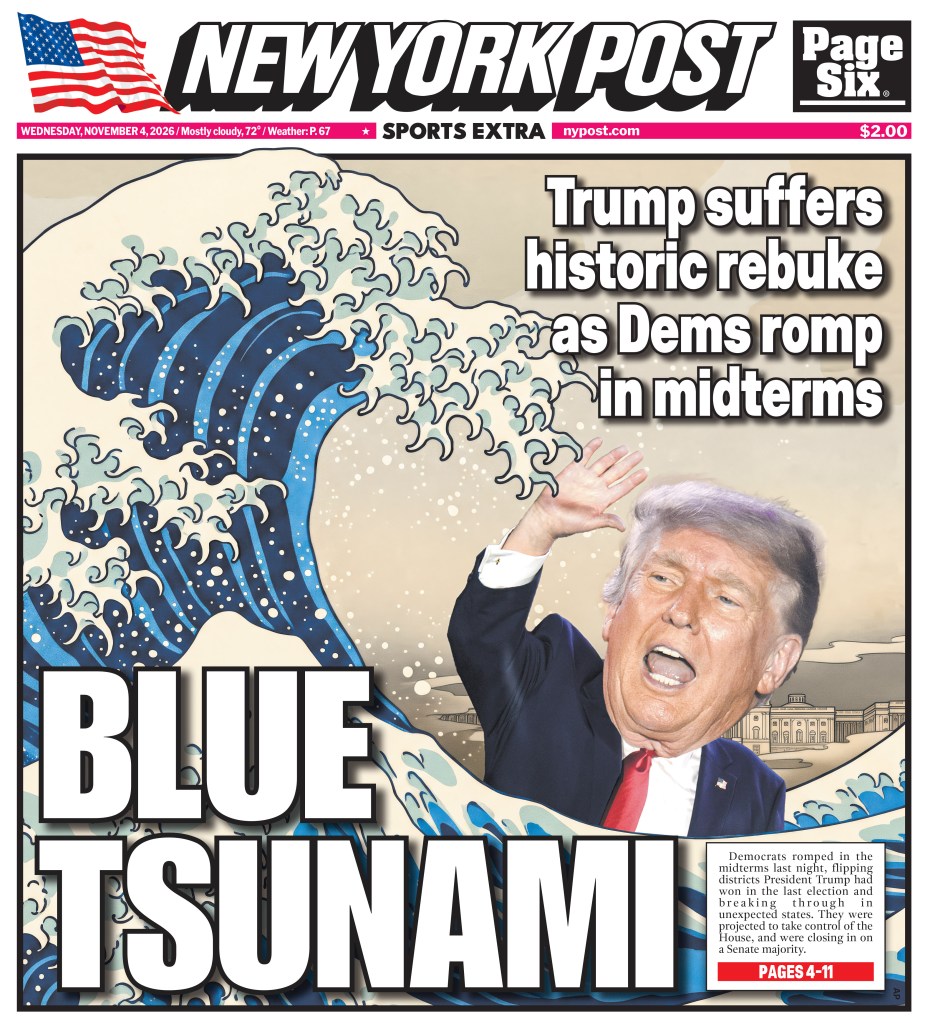
The 2026 Midterm Elections have profoundly shifted the American political landscape, effectively dismantling the Republican hold on power. Characterizing these results as merely a blue wave understates their magnitude; instead, this moment reflects a decisive defeat of the Republican stronghold.
Polls anticipated this outcome. They consistently highlighted public dissatisfaction with both President Trump and the GOP Congress leading up to the elections. Voter sentiment meant the fall of the House was expected, and it transpired early during election night. Republicans losing Senate control reinforced the transformative nature of these results.
The distinction between mere political strategy and significant public sentiment was stark. President Trump exaggerated Republican voter enthusiasm in an attempt to mobilize their base, suggesting they imagine his name on the ballot. This backfired as opposition votes surged.
Underlying Discontent
Signals of dissatisfaction were evident long before the elections. President Trump’s approval rating lingered below 40%, with public discontent over the effects of the Iran conflict on energy prices and inflation. Despite these indicators, the administration trivialized the data and dismissed public grievances, labeling them as “fake news.”
An Associated Press poll last month indicated widespread belief that Trump’s policies were responsible for economic woes. Sixty-five percent blamed him for rising costs, showcasing public opposition that translated into significant turnout against GOP candidates.
Historically, midterm elections pose challenges for sitting presidents. Barack Obama faced similar difficulties during his tenure, experiencing considerable Republican gains. Obama labeled the outcome a “shellacking,” yet failed to adapt his strategies, leading to further setbacks in subsequent years.
Comparing Past Outcomes
President Trump, much like his predecessors, faced losses midway through his term. In 2018, Democrats gained the House, resulting in increased challenges, yet Republicans secured Senate seats, influencing Supreme Court nominations. Such dynamics illustrate the complexities inherent in political strategy and governance.
The aftermath of this year’s elections will challenge the administration. Reflecting on the situation publicly and accepting responsibility could aid in regaining public confidence. Communicating intentions to serve public interests effectively is crucial.
Future Implications
Adjustments are imperative, particularly concerning tariffs, personal branding excesses, and accountability in administration practices. These steps are necessary to positively impact governance over the next two years.
The Republican administration faces new hurdles with Democratic leadership poised to pursue rigorous oversight. Already, figures like Rep. Robert Garcia appear ready to engage in thorough investigations within a Democrat-led Congress. His directive to the President to “LAWYER UP” signals the intensity of upcoming political and legal battles.
Local Impacts
On the state level, Democrats demonstrated strength, as seen in New York where Governor Hochul overwhelmingly secured re-election. Her focus on social and fiscal issues resonated with voters, reinforcing Democratic dominance in the region.
The breadth of Democratic advancement suggests a cultural shift, with anticipated widespread legislative and policy changes. As power dynamics evolve, all eyes will be on how the administration and political landscape respond effectively.