Analysis of Gender Disparity in Chinese Political Power
China Decoded is an in-depth newsletter from Newsweek focusing on China’s growing influence globally. It is authored by Didi Kirsten Tatlow, Senior Correspondent for International Affairs and Investigations, and John Feng, China Editor. The newsletter delves into how Beijing’s strategies extend beyond borders and impact the U.S. and its allies. Readers can subscribe to receive it directly.
Mascu-linity in Power
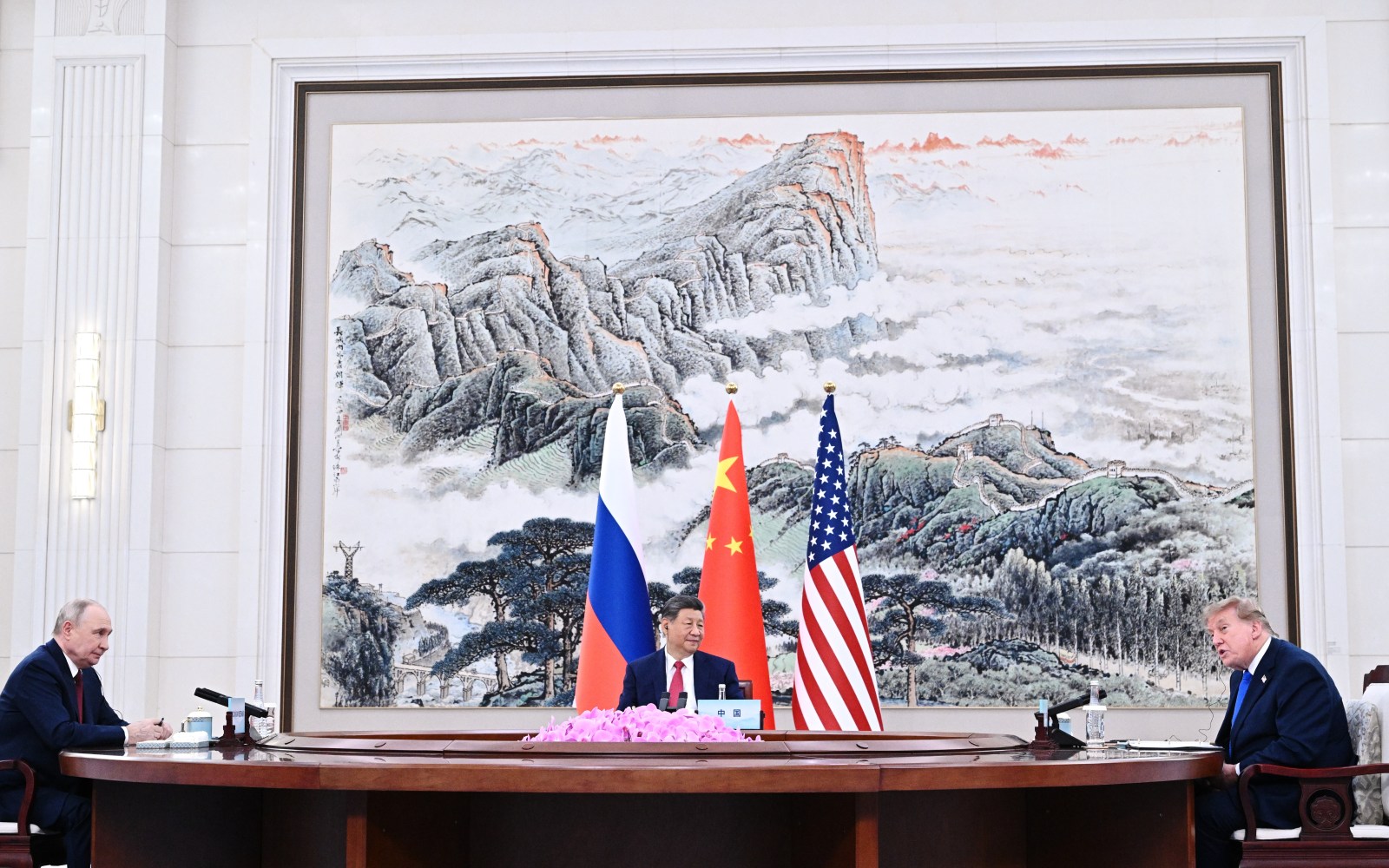
Recent events at the Asia-Pacific Economic Cooperation (APEC) meeting in Shenzhen underscore the masculine nature of power in China. Gender disparity is prevalent not only in China but also in other countries like the U.S. and Russia. A Chinese expression, pìnjī sīchén, illustrates this discomfort with female power. It reflects a belief that female leadership signals disorder, a notion rooted in historical texts.
Despite Communist Party claims about gender equality, the reality is stark. Female representation in the Chinese Communist Party (CCP) has decreased under Xi Jinping, with the number of women in the Politburo dropping from two to zero. This trend raises questions about future representation, especially as Xi Jinping is anticipated to enter his fourth term.
Broader Implications
The APEC meeting showcased a broader pattern of male dominance globally. The trilateral meeting among China, the U.S., and Russia involved discussions on significant issues like nuclear arms, yet was dominated by male leaders.
Women’s involvement is critical, not only for equality but also for diverse perspectives in governance. Studies suggest female leadership can improve organizational outcomes. The main concern is ensuring equal opportunities for women, rather than imposing gender-based assumptions.
Data Highlights
Mao Zedong, the CCP’s late leader, once emphasized gender equality to mobilize labor. Yet, the representation of women in top political roles remains limited. Only two women served concurrently in the CCP’s Politburo in recent history, and none are currently part of the Politburo Standing Committee.
The CCP’s Central Committee includes around 32 women out of 323 seats, reflecting a significant gender gap. Despite nearly a third of the Party’s 101 million members being women, few reach top leadership roles. This gap is influenced by societal expectations and policies reinforcing gender stereotypes.
Provincial Leadership
Provincial party standing committee seats held by women are roughly 10 percent. This limited representation suggests male dominance in national leadership is likely to continue.
Several obstacles hinder women’s progression in politics: generational dynamics within the Party, perceived ceilings on representation, and the clash between career advancement and domestic responsibilities. These challenges are exacerbated by the concentration of women in less influential sectors.
John Feng and Didi Kirsten Tatlow explore these insights, highlighting the complexity of gender politics in China. For further details, their contact information is available.