Ancient Betel Nut Use: A Window Into Early Human Practices
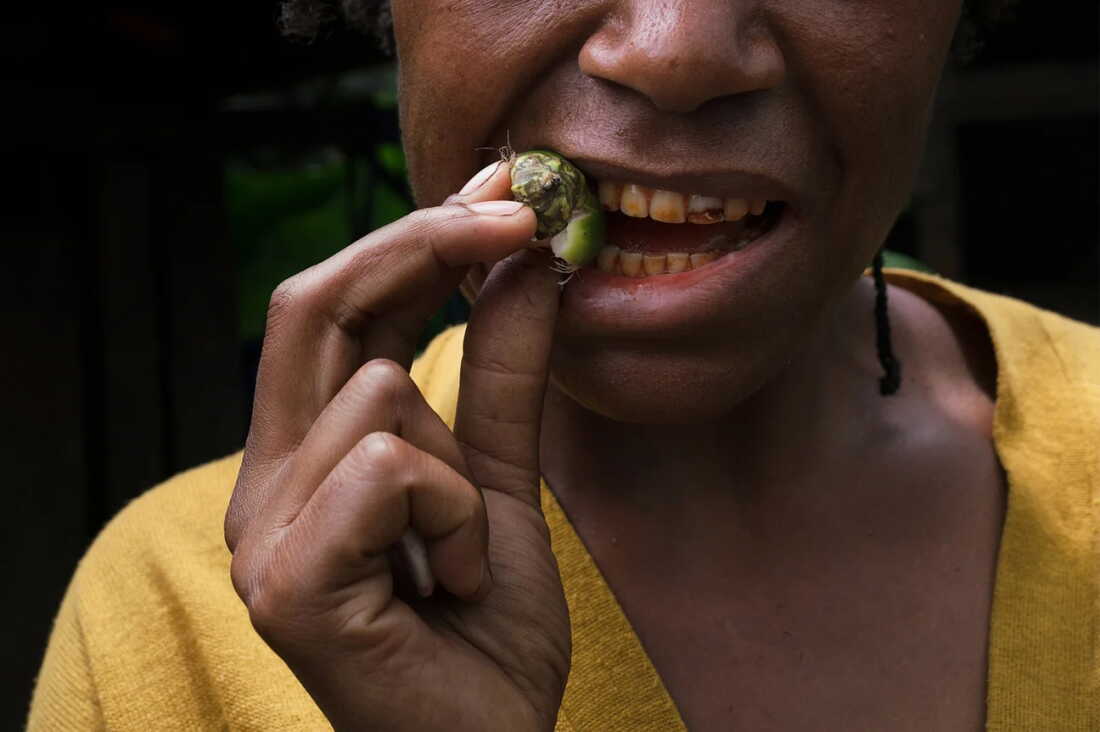
Today, around 600 million people chew on betel nuts, the brownish-green seeds of certain palm trees. Users claim benefits like indigestion relief, fresh breath, and increased energy. However, medical specialists warn that prolonged use can harm dental health, increase heart disease risk, and cause oral cancer.
Despite health risks, betel nuts rank fourth among mind-affecting substances worldwide, after tobacco, alcohol, and caffeine. A recent study in Science Advances reveals the historic nature of betel nut use.
Archaeological Insights
The study explored ancient teeth, providing clues to early betel nut use by hunter-gatherers. Professor Adam Brumm from Griffith University led the research.
Researchers propose that hunter-gatherers may have sucked on betel nuts, similar to gobstoppers, possibly for pain relief. The discovery of this practice is a significant archaeological finding.
Complementary research by José Capriles at Penn State University underscores humanity’s age-old tendency to explore substances. Capriles has identified ancient drug use in South America.
Puzzle of Strange Grooves
The study began with an archaeological dig in Sulawesi, Indonesia, where Brumm’s team unearthed ancient human remains dating back 25,000 years. The teeth had peculiar grooves.
Collaborating with global dental experts, the researchers found no explanations. Another set of teeth, 8,000 years old and 20 miles away, displayed similar wear.
The grooves exposed nerve centers, suggesting years of repetition. Usual teeth uses, like processing fibers, didn’t match the patterns.
Recycling Historical Practices
Brumm recalled past examples where similar wear patterns appeared in the teeth of clay pipe smokers in the colonial era. This insight led the team to explore cultural practices as the grooves’ origins.
In Asia and the Pacific, betel nuts are often chewed with chemicals for stimulant effects. However, the teeth wear indicated long-term sucking of abrasive objects. The researchers suspected early betel nut use involved sucking.
Testing the Betel Nut Theory
Collaborating with Professor Roger Papke from the University of Florida, they simulated betel nut sucking. Using artificial saliva on betel nuts, followed by introduction to frog egg cells engineered with human brain receptors, the researchers detected the presence of arecoline, a chemical from betel nuts.
Dental tissue tests found arecoline remnants, corroborating betel nut usage. To gain further insight, Brumm himself tried sucking on betel nuts.
This experimentation revealed a bitter, astringent taste and numbing sensation, suggesting ancient users sought a pain-relieving effect. Frequent nut-sucking eroded teeth down to the nerve, perpetuating the practice.
Human Nature and Culture
The study posits a strong case for historical betel nut use, supported by Peter Ungar from the University of Arkansas and Agustín Fuentes of Princeton University.
Fuentes cautions against projecting contemporary assumptions onto ancient behaviors and acknowledges other cultural purposes for damaging teeth.
Despite limited evidence, Brumm and his team remain confident in their findings, recognizing the challenges archaeology presents.