Ancient Cannabis Use Discovered in Siberian Tomb
Archaeologists have unearthed new evidence suggesting that cannabis use for psychoactive purposes occurred earlier than previously thought, dating back at least 2,800 years. This discovery came from a dig at a monumental tomb in Siberia, where researchers found the earliest known use of cannabis for such purposes.
The archaeological team highlighted that this evidence predates the known usage in neighboring China by around 300 years. Ancient drug use has long interested scholars, with the Greek historian Herodotus referencing cannabis smoking by Central Asians around 440 B.C. Additionally, recent finds have uncovered cannabis seeds in highland tombs.
The multinational team from Germany, Russia, Sweden, and Switzerland discovered the seeds within a royal tomb, offering insights into the role of cannabis in ancient societies. Gino Caspari, an archaeologist at the University of Bern, emphasized the rarity of finding preserved plant parts and human soft tissue with active compounds in the same archaeological context.
The excavation took place beginning in 2017 at the Tunnug 1 site in the Uyuk Valley of southern Siberia. This site is significant for being one of the earliest monumental tombs connected to the Scythians, nomads migrating from Central Asia to southern Russia and Ukraine.
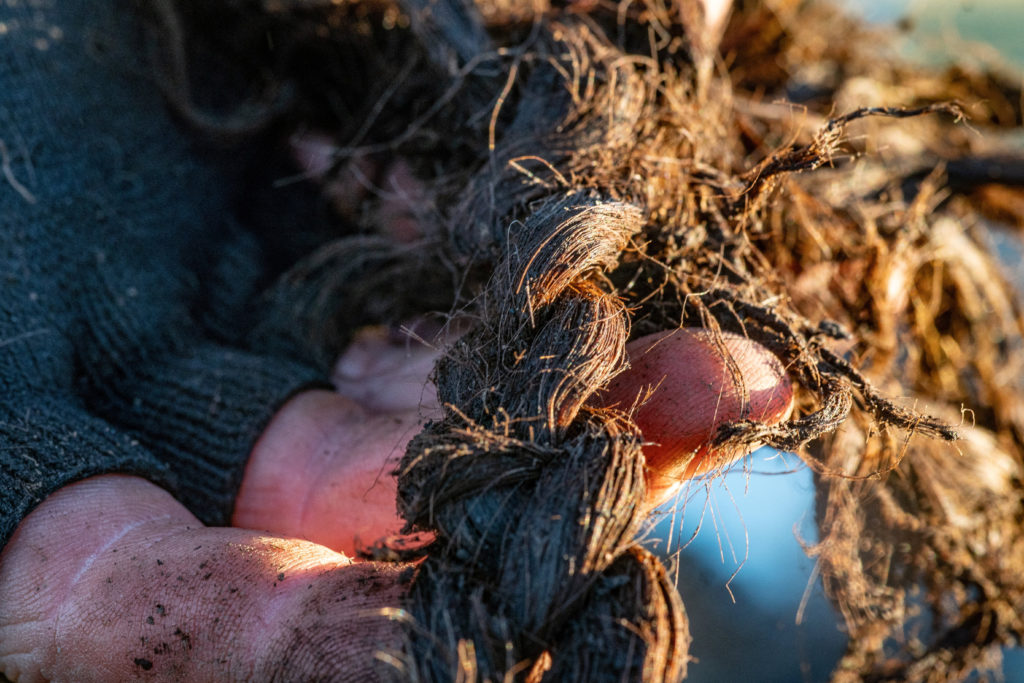
The researchers faced challenging conditions, including swamps, snowstorms, frosts, and mosquitoes, while living in tents far from modern conveniences. Larger artifacts such as weapons, horse gear, and ornately decorated animal motifs were also found. However, the discovery of cannabis seeds and preserved human hair provided pivotal evidence about historical cannabis consumption.
Radiocarbon dating of over 1,000 seeds helped establish their age. The placement of seeds within the tomb suggests their importance to the community. However, some experts, like Volker Auwaerter, head of forensic toxicology at the University Medical Center in Freiburg, remain skeptical, suggesting that the hair analysis lacks scientific rigor and that further testing could have clarified whether cannabis was indeed consumed or present due to other reasons.
Elisa Guerra Doce from the University of Valladolid acknowledged the methodology used in the study. She noted that toxicological hair analysis isn’t new in archaeology and commended the authors for demonstrating that cannabis was likely consumed during burial rites rather than simply being an offering.
The study, published in the journal Science, underscores the importance of corroborating ancient accounts with concrete evidence. While cannabis seeds can serve other purposes, such as oil production or fiber processing, their presence doesn’t alone prove drug use.