Arrests for Minor Crimes Rise Despite Lower Violent Crime Rates in the U.S.
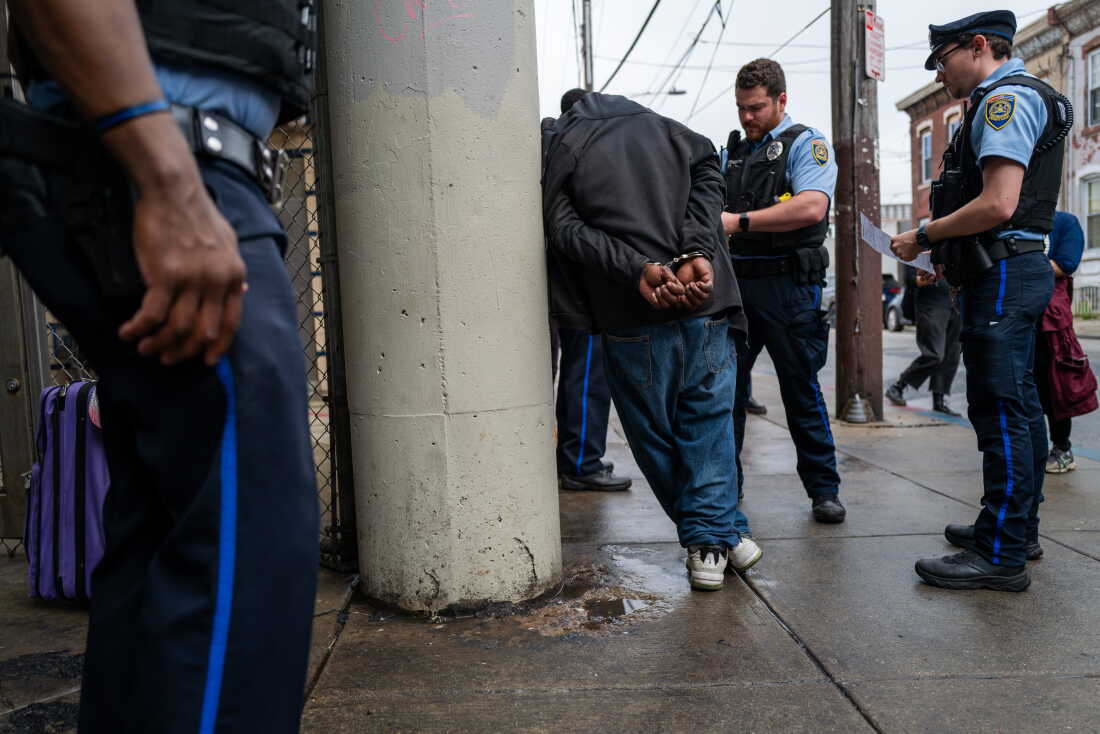
The city of Philadelphia witnessed a significant event when a drug encampment in Kensington was cleared on May 8, 2024. Law enforcement made several arrests, highlighting a trend seen across the nation. According to a report by FWD.us, arrests for minor offenses like vagrancy and drug possession rose between 2024 and 2025, even as violent crime rates, including homicides, dropped to record lows.
Zoë Towns, Executive Director of FWD.us, addressed this concerning trend, noting it as a return to the extreme law and order policies prominent in the 80s and 90s. Such policies had previously led to a dramatic increase in incarceration due to mandatory minimum sentences.
Focus on Vagrancy and Drug Possession
The report analyzed publicly available FBI and immigration arrest data, although it did not specify whether charges led to jail or prison time. Towns emphasized that arrests can severely impact individuals and families, causing job losses and financial instability.
Vagrancy arrests surged, particularly in four states: California, Hawaii, Nevada, and Arizona. The term ‘vagrancy’ refers to individuals without a permanent home or job and is often applied to the homeless population. Arrests in these states rose 44%, with Asian Americans, Native Hawaiian, and other Pacific Islanders disproportionately represented. This demographic, while only 7% of the U.S. population, accounted for 17% of the vagrancy arrests rise, mainly in Hawaii.
Marijuana possession arrests increased by 6%, notably in Southern states where the drug remains illegal. The total rose from 190,182 in 2024 to 201,273 in 2025. The report identified racial disparities as Black individuals accounted for 83% of the increase and nearly half of all marijuana arrests.
Shifts in Drug and Immigration-Related Arrests
There was a 3% increase in arrests for possessions of drugs other than marijuana. This change is connected to policy shifts that had previously decriminalized drug possession in some states. For instance, in California, voters reversed a measure lowering drug possession classification in 2024, leading to 14,000 more arrests.
Oregon mirrored this policy change, making drug possession a criminal offense again, causing a 39% rise in non-marijuana drug arrests. There was also a substantial rise in immigration violation arrests, leaping from 109,936 in 2024 to 316,304 in 2025.
Federal Influence and Policy Changes
FWD.us attributed some of these increases to federal policies under President Trump’s administration, marked by a tough-on-crime agenda and bolstered deportation efforts. The 287(g) program empowered local police to undertake immigration arrests, further boosting arrest numbers.
Trump, citing supposed crime emergencies in cities such as Washington, D.C., deployed National Guard troops, which coincided with a spike in marijuana possession arrests. FWD.us also connects vagrancy arrests to a Supreme Court ruling permitting cities to ban public sleeping and camping, affecting many Western localities.
Positive Trends Amid Concerns
Despite these troubling trends, Insha Rahman of the Vera Institute pointed to positive developments. Overall, crime rates continue to decline, reflecting the success of treatments, diversion programs, community intervention efforts, youth services, and counseling. Although Vera was not involved in the FWD.us report, these investments highlight effective strategies in addressing crime and supporting affected communities.