Shifts in 2028 Republican Nomination Prediction Markets
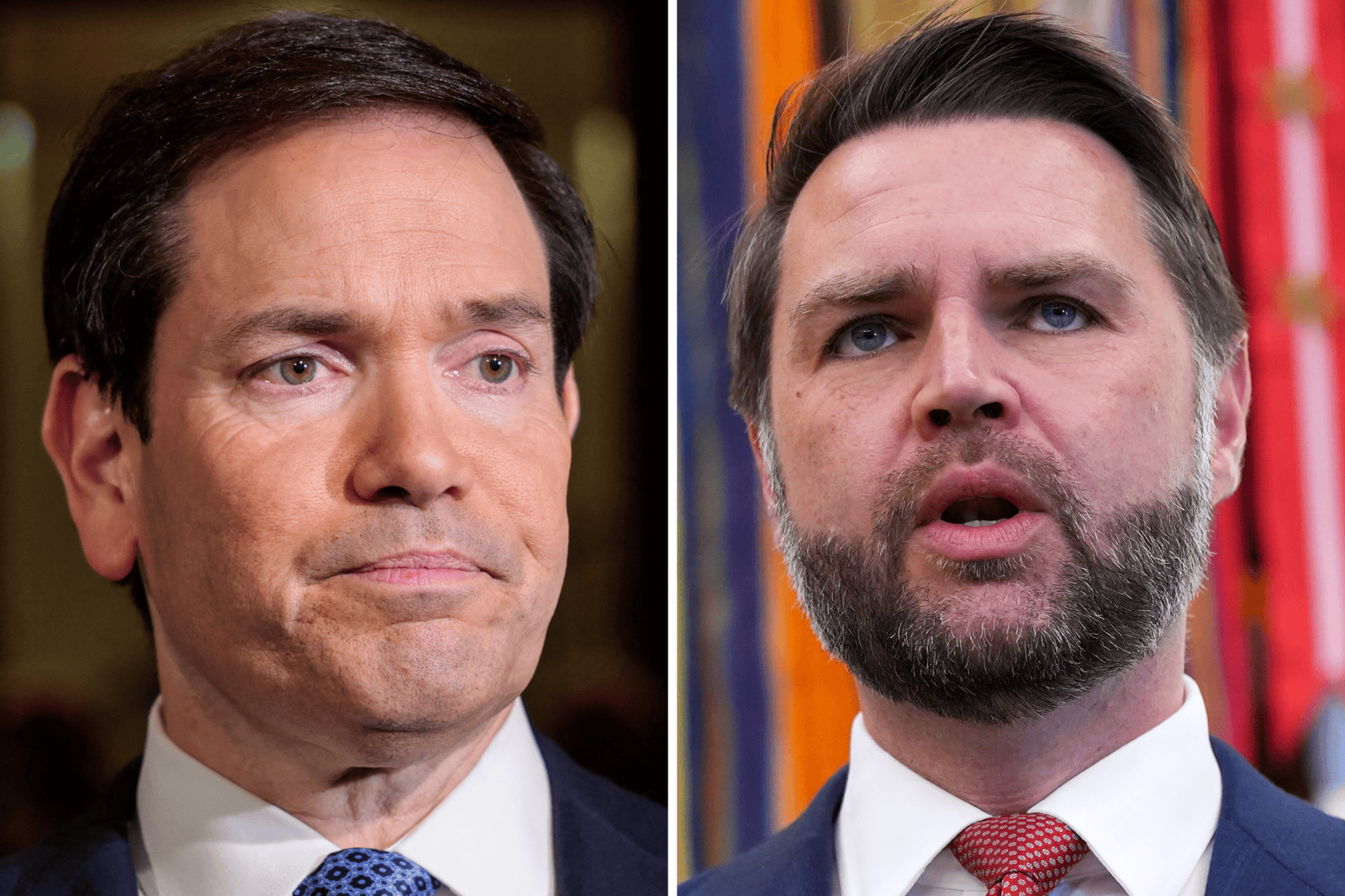
The prediction markets have shown a decline in odds for both Vice President JD Vance and Secretary of State Marco Rubio in the race for the 2028 Republican presidential nomination. According to an analysis of Polymarket and Kalshi data by Newsweek, Vance’s odds on Polymarket dropped from 53% to 43.8% while Rubio’s fell from 27.8% to 15.1%. Kalshi, a U.S.-regulated prediction market, reported a similar trend, with Vance decreasing from 45.8% to 43% and Rubio from 29.5% to 18%.
This fall in confidence for both Vance and Rubio raises questions about Republican certainty in a post-Trump era. The market shift follows Vance’s recent comments acknowledging hesitation about a presidential run due to family considerations. Despite this, Koleman Strumpf, an economics professor at Wake Forest University, cautioned against overstating the significance of these shifts. He noted that Vance’s odds had decreased by a marginal 4 points over the past week.
Newsweek reached out to both Vance and Rubio for comments. Strumpf stated that data do not suggest a decisive move away from Vance and Rubio, as usually seen in a two-person race. Even when Vance’s odds decrease, it does not necessarily result in an increase for Rubio.
The prediction markets reflect a fragmented outlook with no clear alternative emerging. Florida Governor Ron DeSantis and commentator Tucker Carlson are among the possibilities but remain with low odds. This scattered confidence might indicate uncertainty in the broader succession plan after Trump.
Opinions from political analysts suggest the upcoming midterms could reshape the GOP landscape. Costas Panagopoulos of Northeastern University highlighted potential Republican losses in the November elections as a factor that might tarnish those linked to the Trump administration. Thad Kousser of UC San Diego emphasized that both Vance and Rubio’s proximity to Trump has been a major strength, but midterm results could change this dynamic.
Daniel Schatz, a political scientist, suggested the possibility of a more open race for the 2028 nomination. With both Rubio and Vance losing ground, traders might be wary of a straightforward contest, indicating a spread in confidence across multiple contenders.
When asked which midterm results would matter, Panagopoulos pointed out that Democratic victories in traditionally Republican states would signal deeper issues within the GOP. He mentioned that the Republicans will need to decide whether to stick with Trump’s agenda or pivot to new identities.
Keith Gaddie of Texas Christian University clarified that prediction markets should not be equated to polls. Although observing market trends offers insights, these do not necessarily display voter sentiment. In contrast, Strumpf emphasized the consistency of prediction markets due to their high-frequency trades, suggesting they offer a valuable forecast.
This shift in prediction markets suggests growing uncertainty about the Republican post-Trump succession plan. However, a definitive change in direction would necessitate shifts in voter, donor, and candidate support.