Balancing Technology and Privacy in Law Enforcement
Last month, the U.S. Supreme Court addressed the issue of geofence warrants, limiting their application in accessing individuals’ location data. As a former Chicago police officer, I would have endorsed such warrants without hesitation, and I believe this marks a critical point in the ongoing discussion.
The Need for Technological Tools
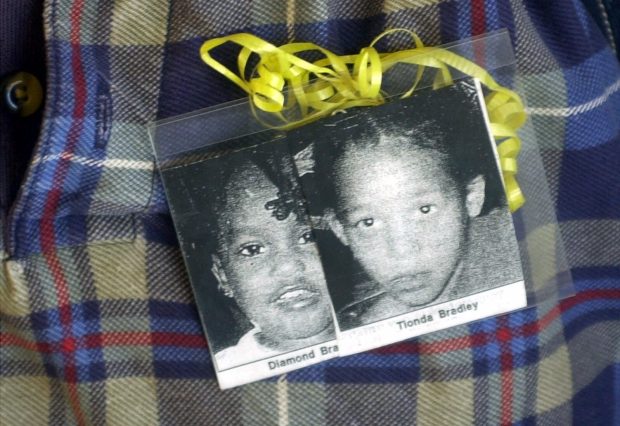
On July 6, 2001, Tionda and Diamond Bradley disappeared from their Chicago home. Their case underscored the limitations of available investigative tools at that time. The absence of options like drones and advanced location tracking hampered efforts. More recent events, such as the 2022 Highland Park mass shooting, further highlight this issue. Though drones were then available, legal constraints restricted their use. Changes in legislation have since addressed these limitations.
Geofence Warrants Explained
Geofence warrants, central to a recent Supreme Court case, enable authorities to identify devices within a specific location during a set time frame. These warrants were pivotal in solving a 2019 Virginia credit union robbery. Investigators used them to obtain location data, connecting suspects to crime scenes. This technology allows authorities to uncover details about people’s movements during crimes.
Considerations and Concerns
Long-standing investigative methods often involve collecting data from various sources, like tickets and surveillance footage, without widespread concern. However, the scale and depth of information accessible through geofence warrants raise significant privacy issues. When investigators gather location data, they capture not just where a person was during a crime, but extensive personal insights. Such data reveals patterns about hospital visits, religious practices, political activities, and personal relationships.
Establishing Limits
It is vital to question whether institutions are imposing sensible limits. Investigators should have access to advanced tools, but with restrictions ensuring that such powers do not overreach. Addressing these concerns requires moving beyond assumptions about digital data. The Supreme Court has recognized the need to protect “privacies of life,” yet court decisions offer only constitutional guidelines. Operational frameworks need to be established by Congress and law enforcement agencies.
Legislative Action Required
In 2023, changes in data storage policies have made future compliance with geofence warrants difficult. Congress must act to create clear guidelines for their use. These rules should ensure geofence warrants are confined to the investigation of severe crimes within a clearly defined area and timeframe. They must prohibit broad, unrestricted data searches, reinforcing the principle that digital searches require specific limitations.
Historical Context and Future Implications
Drones, license plate readers, and facial recognition technologies share a history of initial resistance followed by gradual adoption and expansion. This pattern highlights the necessity of predefined limits and oversight for new technologies. It is not about preventing current abuse but anticipating future misuses, possibly by different administrations or private contractors.
Conclusion: The Balance of Justice and Liberty
While the Constitution offers no exceptions for compelling cases, this doesn’t imply that geofence warrants have no place. They must be accompanied by clear, statutory constraints. Although I would have supported their use in critical cases like that of the Bradley sisters, establishing safeguards is essential. Technological advancements should continue to uphold justice while safeguarding individual liberties.
Louis Martinez, a retired Chicago Police Department officer, is a criminal justice professor and unmanned aircraft systems coordinator at Oakton College and author of “The Violent Brain: A Study in Neurocriminology.”